
Sleep Naturally: Exploring Eco-Friendly Alternatives to Memory Foam
Introduction
A brief overview of memory foam and its benefits. Memory foam, a viscoelastic material developed by NASA in the 1960s, is renowned for its ability to contour to the body’s shape and provide exceptional support. Its unique composition allows it to respond to heat and pressure, molding to the sleeper’s curves and returning to its original form once pressure is removed.
This quality makes memory foam mattresses popular among individuals seeking comfort and pain relief, especially those with back or joint issues. Additionally, memory foam is known for its motion isolation properties, reducing disturbances caused by movement during sleep.
Introduction to natural memory foam alternatives. As consumers become more environmentally conscious and seek sustainable options in all aspects of life, natural memory foam alternatives have gained popularity in the bedding industry. These alternatives aim to provide the same comfort and support as traditional memory foam but with added benefits for health and the environment.
Natural latex foam, plant-based memory foam, wool mattress toppers, hemp fiber mattresses, and cork mattress toppers are some innovative solutions that offer a greener approach while ensuring a restful night’s sleep. Exploring these natural options opens up possibilities for individuals looking to invest in high-quality bedding that aligns with their values.
Natural Latex Foam
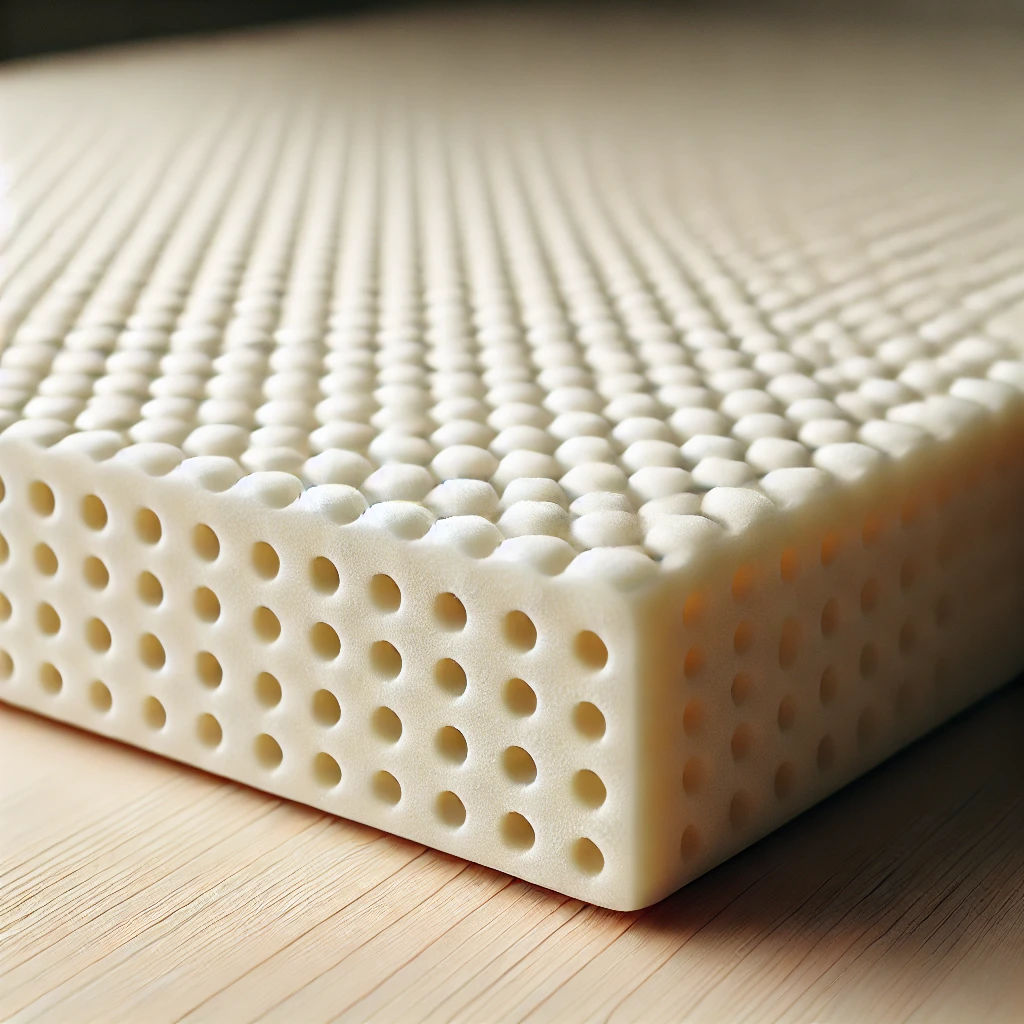
The Elastic Wonder: Natural Latex Foam
Natural latex foam is a type of foam produced from the sap of rubber trees, making it a sustainable and renewable resource. Its cellular structure provides excellent elasticity and resilience, offering exceptional support and comfort. With its responsive nature, natural latex foam contours to the body’s shape, relieving pressure points and promoting proper spinal alignment for a restful night’s sleep.
Eco-Friendly Comfort: Benefits of Natural Latex Foam
The benefits of natural latex foam as a memory foam alternative are abundant. This material is hypoallergenic and resistant to dust mites, mold, and mildew, making it ideal for individuals with allergies or sensitivities.
Natural latex foam is highly durable, maintaining its shape and performance over time without sagging or forming body impressions like traditional memory foam mattresses. Its breathability ensures proper air circulation throughout the night, regulating temperature and keeping sleepers cool and comfortable.
Durability Showdown: Natural Latex vs. Traditional Memory FoamWhen comparing natural latex foam with traditional memory foam in terms of durability, support, and eco-friendliness – natural latex emerges as the superior choice. Natural latex foam outlasts traditional memory foam due to its resilient nature and ability to resist compression over time. It offers better support by conforming to the body’s contours without sinking excessively. Furthermore, natural latex is biodegradable and sourced from renewable rubber trees – making it an environmentally friendly option compared to petrochemical-based memory foams that are non-biodegradable and contribute to environmental degradation.
Green Innovation: Plant-Based Memory Foam
Plant-based memory foam is a type of mattress material created using natural plant-derived ingredients instead of traditional petroleum-based chemicals. The composition of plant-based memory foam typically includes botanical oils like soybean or castor oil, along with other organic materials such as bamboo or aloe vera. These natural ingredients provide a sustainable and eco-friendly option for consumers and offer a healthier alternative free from harmful chemicals often found in conventional memory foam.
Advantages to Embrace: Superior Qualities of Plant-Based Memory Foam
Compared to traditional memory foam, plant-based memory foam offers several advantages, making it an appealing choice for environmentally conscious individuals. One key benefit is its enhanced breathability and improved airflow, leading to better sleep temperature regulation.
Additionally, plant-based memory foam tends to have a reduced off-gassing odor compared to synthetic foams, making it more suitable for individuals sensitive to strong smells. Moreover, using renewable resources to produce plant-based memory foam reduces carbon footprint and supports sustainable manufacturing practices.
Environmental Harmony: Sustainable Practices in Plant-Based Memory Foam Production
When considering the sustainability and environmental impact of plant-based memory foam production, it is crucial to highlight the eco-friendly processes involved in creating this innovative material. Manufacturers utilizing plant-based sources prioritize sustainable practices that reduce greenhouse gas emissions and minimize waste generation throughout manufacturing. By opting for natural memory foam alternatives like plant-based memory foam, consumers can actively support initiatives that promote ecological balance and contribute towards building a greener future for bedding materials.
Wool Mattress Toppers
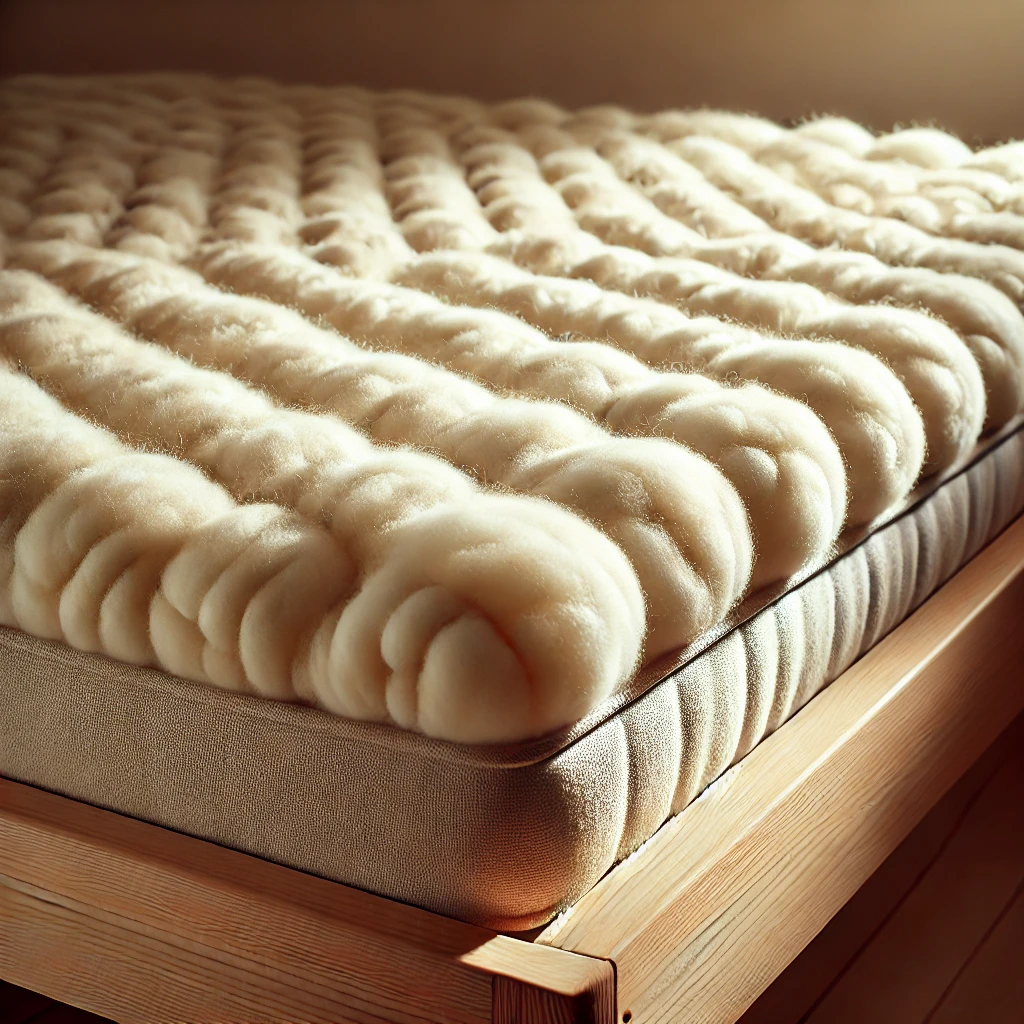
Comfort in Every Fiber
Wool, a versatile and natural material, is an excellent option for mattress toppers. Its unique composition provides softness and cushioning, enhancing the overall comfort of your sleeping surface.
Wool’s natural elasticity allows it to conform to your body shape, promoting a restful and uninterrupted sleep experience. As a material for mattress toppers, wool offers a luxurious feel that can transform your bed into a cozy haven.
Temperature Regulation Redefined
One of the standout benefits of wool mattress toppers is their exceptional temperature regulation properties. Wool fibers have inherent breathability, allowing for improved airflow and heat dissipation during sleep.
This natural thermo-regulation helps maintain a comfortable sleeping temperature throughout the night, reducing the chances of overheating or feeling too cold. Compared to traditional memory foam, which can trap heat due to its density, wool is a superior choice for those seeking a more balanced and climate-controlled sleep environment.
Breathable Bliss: Moisture-Wicking Marvels
Regarding breathability and moisture-wicking capabilities, wool far surpasses traditional memory foam alternatives. Wool fibers have a unique structure that wicks away moisture from the body, keeping you dry and comfortable while you rest.
This moisture-wicking property enhances sleep quality and promotes hygiene by preventing the buildup of sweat and bacteria in your bedding. Compared with memory foam’s limited breathability and moisture retention tendencies, wool is a stellar choice for individuals prioritizing freshness and airflow in their bedding materials.
Hemp Fiber Mattresses
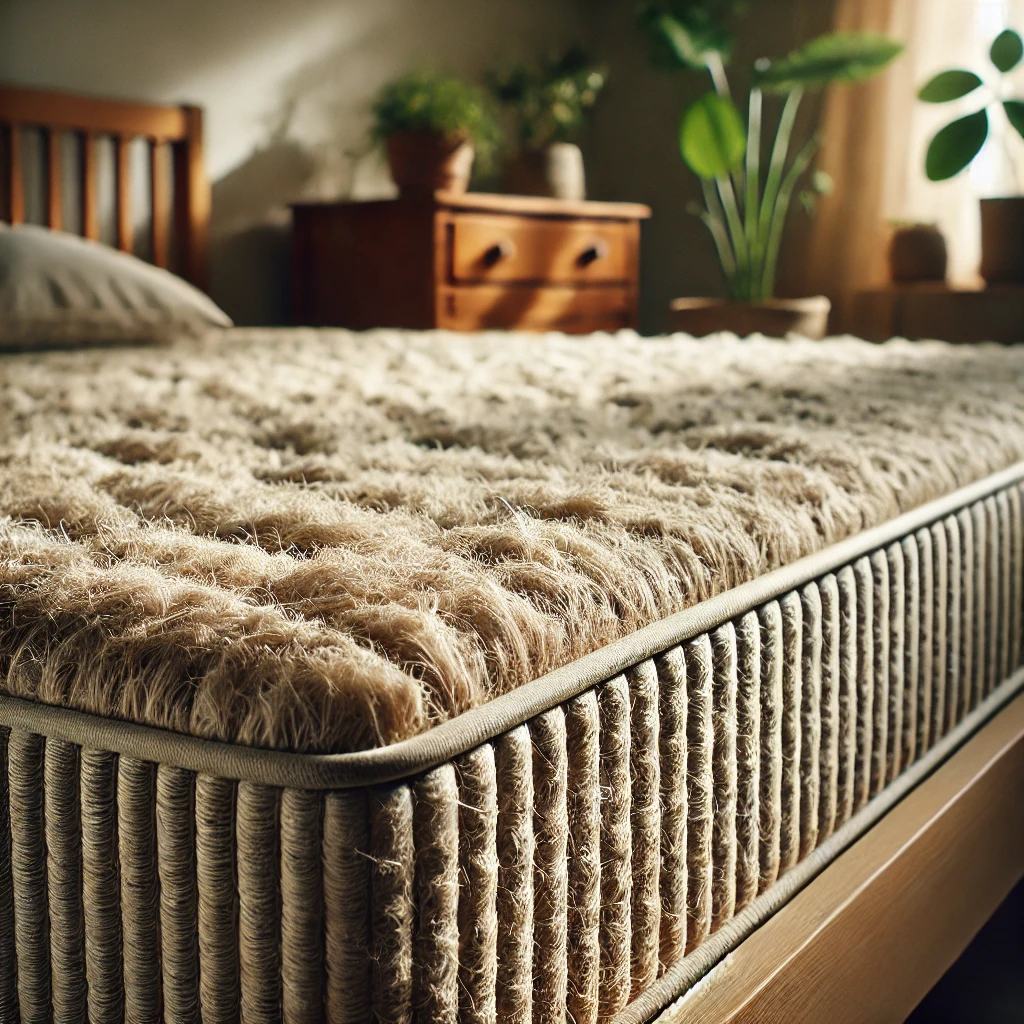
Naturally Versatile: Hemp in Bedding
Due to its exceptional qualities, hemp fiber is increasingly utilized in mattresses. This provides a sustainable and eco-friendly bedding option. Hemp’s natural properties make it durable, ensuring your mattress lasts for years without losing its quality.
Comfortable and Hypoallergenic: Benefits of Hemp Mattresses
Hemp fiber mattresses offer hypoallergenic properties, making them an excellent choice for individuals with allergies or sensitivities. The breathability of hemp allows for better air circulation, creating a comfortable sleep environment that helps regulate temperature throughout the night. Additionally, hemp is known for its moisture-wicking abilities, keeping you dry and cool, which can enhance the quality of your sleep.
Eco-Friendly Choice: Comparison with Traditional Memory Foam
Compared to traditional memory foam, hemp fiber mattresses excel in breathability and moisture-wicking properties. Hemp’s natural characteristics contribute to more eco-friendly bedding than synthetic memory foam alternatives. Choosing hemp fiber mattresses aligns with sustainable practices as hemp cultivation requires fewer resources and has a lower environmental impact than the production of traditional memory foam mattresses.
Cork Mattress Toppers
Cork, known for its sustainable and eco-friendly qualities, is increasingly used for mattress toppers in natural memory foam alternatives. The unique cellular structure of cork provides a naturally antimicrobial surface, making it an excellent choice for those seeking hygienic bedding options. Cork’s antimicrobial properties help inhibit the growth of bacteria and fungi, promoting a cleaner and healthier sleeping environment.
The Green Benefits
In addition to its health benefits, cork mattress toppers excel in sustainability and eco-friendliness. Harvested from the bark of cork oak trees, this process does not harm the tree itself but encourages regeneration.
This sustainable harvesting method ensures that cork remains a renewable resource for natural memory foam alternatives. Compared with traditional memory foam production, which involves synthetic materials and chemicals, cork is a greener option that minimizes environmental impact.
The Comfort Factor
Beyond its sustainability features, cork mattress toppers offer exceptional comfort through their ability to regulate temperature effectively. Cork’s breathable nature allows for proper air circulation, preventing overheating during sleep and ensuring a comfortable rest environment. This temperature regulation feature makes cork ideal for individuals who experience night sweats or discomfort due to heat retention in traditional memory foam products.
A Sustainable Choice
Compared with traditional memory foam options that may contain harmful chemicals and additives, cork emerges as a natural alternative that aligns with sustainable living practices. By opting for cork mattress toppers in your bedding selection, you benefit from its comfort and antimicrobial properties and contribute positively to environmental conservation efforts by choosing an eco-friendly material derived from renewable sources in the realm of natural memory foam alternatives.
Conclusion
Summarizing the Eco-Friendly Comfort
Readers explored various natural memory foam alternatives that offer comfort and sustainability. These alternatives, such as natural latex foam, plant-based memory foam, wool mattress toppers, hemp fiber mattresses, and cork mattress toppers, provide environmentally friendly options for bedding materials. The detailed comparison of each option highlighted their unique benefits over traditional memory foam.
Prioritizing Sustainable Choices
Considering eco-friendly bedding materials reduces our environmental impact and promotes sustainable living. By opting for natural memory foam alternatives like latex foam or wool mattress toppers, individuals can enjoy a comfortable sleep while contributing to a greener planet. Making conscious choices in selecting bedding materials can positively impact personal well-being and the environment.
Inspiring Eco-Conscious Decisions
Exploring natural memory foam alternatives enhances the sleeping experience and fosters a sense of environmental responsibility. Encouraging readers to consider these eco-friendly options serves as an invitation to embrace sustainability in everyday choices. Choosing bedding materials that align with eco-conscious values benefits individuals and contributes to creating a better, healthier world for all.


