Introduction
The Significance of a Superior Mattress for Optimal Sleep and Overall Well-being
Sleep is an essential element of our lives, accounting for roughly one-third of our time. Yet, the significance of a good mattress is often underestimated when it comes to achieving quality sleep and maintaining overall health.
A high-quality mattress plays a pivotal role in providing the necessary support and comfort for a peaceful slumber, ensuring that we wake up rejuvenated and ready to conquer the day ahead. Adequate sleep has numerous benefits beyond mere rest, including enhanced cognitive function, improved mood regulation, strengthened immune system, and reduced risk of various health conditions such as obesity and cardiovascular diseases.
Conversely, insufficient or poor-quality sleep can lead to fatigue, sluggishness, decreased concentration levels, weakened immunity, irritability, and even chronic pain issues. Henceforth, investing in the right mattress becomes paramount in securing optimal sleep quality and safeguarding our holistic well-being.
An Overview of Key Aspects to Consider While Mattress Shopping

When embarking on the journey of mattress shopping either in-store or online platforms, it is crucial to consider several key aspects that will ultimately determine your sleeping experience. Firstly, understanding your specific needs and preferences is pivotal.
Factors such as body type (whether you’re petite or have a larger frame) and preferred sleeping position (side sleeper vs. back sleeper vs. stomach sleeper) greatly influence the type of mattress best suited for you.
Understanding Your Needs and Preferences
Body type and sleeping position considerations
Our bodies are unique, much like our personalities, and understanding how our body type and preferred sleeping position influence mattress selection is vital in achieving a restful slumber. Side sleepers, for instance, make up a significant proportion of the population. These individuals often find solace lying on their sides, but this position can lead to added pressure on the shoulders and hips.
It is crucial for side sleepers to seek mattresses that offer adequate pressure relief in these specific areas. Look for models with plush comfort layers or specialized foam technologies that contour to your body’s curves, such as memory foam.
Side sleepers: need pressure relief for shoulders and hips
For side sleepers, a mattress with proper support combined with effective pressure relief is paramount. By cushioning the shoulders and hips against excessive compression during the night, side sleepers can alleviate discomfort and ensure optimal spinal alignment.
Selecting a medium-soft to medium-firm mattress will help distribute your weight evenly across the surface while providing adequate support to maintain proper spinal alignment throughout the night. Mattresses that incorporate memory foam or latex can be particularly beneficial due to their ability to conform to your body’s contours while still offering responsive support.
Back sleepers: require proper spinal alignment and support
Back sleepers have different needs compared to side sleepers since maintaining optimal spinal alignment becomes crucial in this position. When selecting a mattress as a back sleeper, focus on finding a model that provides firmness without sacrificing comfort.
A medium-firm mattress can offer just the right blend of supportiveness while contouring gently around your body curves. Consider mattresses with targeted lumbar support zones or those designed explicitly for back pain relief if you have any existing back issues.
Stomach sleepers: need firmness to prevent sinking in too much

Stomach sleepers face unique challenges as their position inherently puts strain on the neck and spine. To avoid excessive sinking and maintain proper alignment, it is crucial for stomach sleepers to choose a mattress with adequate firmness.
Opting for a medium-firm to firm mattress can help ensure that your hips and abdomen remain elevated, aligning with the rest of your body. Look for mattresses with robust support systems such as innerspring or latex, which offer a more buoyant feel while maintaining necessary support.
Allergies, sensitivities, or specific health conditions to consider
Aside from sleeping positions and body types, it’s also important to consider any allergies, sensitivities, or specific health conditions that may impact your mattress selection. If you suffer from allergies or asthma triggered by dust mites or mold, consider mattresses made with hypoallergenic materials like latex or those treated with antimicrobial agents.
Moreover, if you experience chronic pain conditions such as arthritis or fibromyalgia, memory foam mattresses may provide superior pressure relief and alleviate discomfort by conforming closely to your body’s contours.
Remember that understanding your unique needs and preferences is key when embarking on the journey of finding the perfect mattress. By considering factors such as body type, preferred sleeping position, and any existing health concerns or sensitivities you may have, you can narrow down options that will cater to your individual requirements for a truly rejuvenating night’s sleep.
Innerspring Mattresses: Traditional Comfort with Modern Innovations
Coil Count, Gauge, and Coil Type Considerations
Innerspring mattresses have long been a popular choice for their traditional comfort and support. When considering an innerspring mattress, it is essential to pay attention to the coil count, gauge, and coil type.
The coil count refers to the number of coils within the mattress. Generally, a higher coil count indicates better support and durability.
However, it is important to strike a balance as too many coils can make the mattress feel overly firm. Another crucial factor is the gauge of the coils.
The gauge represents the thickness of the wire used in constructing the coils. A lower gauge means thicker wire and greater durability.
Ideally, look for mattresses with a gauge between 12 and 15 for optimal support. Furthermore, different types of coil systems offer varying benefits.
For instance, pocketed coils are individually encased in fabric pockets that provide better motion isolation by reducing motion transfer when your partner tosses or turns during sleep. On the other hand, continuous wire or Bonnell coil systems offer excellent support but may have less motion isolation capabilities.
Advantages of Motion Isolation for Couples
For couples sharing a bed, motion isolation becomes an important consideration to ensure undisturbed sleep throughout the night. Innerspring mattresses with pocketed coils excel in providing superior motion isolation as each coil operates independently from one another.
The individual encasement of pocketed coils prevents excessive motion transfer across the mattress surface when your partner moves or gets out of bed. This feature allows you both to enjoy uninterrupted sleep even if one person is restless at night.
Additionally, pocketed coils not only minimize motion disturbance but also provide targeted support by contouring to your body’s unique curves and relieving pressure points where needed most. This can be particularly beneficial for individuals with joint pain or sensitive areas, ensuring a more comfortable and restorative slumber.
Memory Foam Mattresses: Embracing Personalized Comfort

Density, Thickness, and Heat Retention Factors
Memory foam mattresses have gained tremendous popularity due to their ability to conform to the body’s shape, reducing pressure points and providing personalized comfort. When selecting a memory foam mattress, consider the density and thickness of the foam layers. Density refers to the weight of the foam per cubic foot.
A higher density foam provides better support and durability over time. Opting for a density level between 4 to 5 pounds per cubic foot is generally recommended for optimal comfort.
Thickness is another crucial factor. Memory foam mattresses typically range from 8 to 14 inches in thickness.
Thicker mattresses often offer deeper contouring and superior pressure relief. However, it’s important to note that thicker mattresses can retain more heat as they may restrict airflow.
Heat retention has been a common concern with traditional memory foams, but advancements in technology have led to improved designs with cooling properties. Look for memory foams infused with cooling gel or those utilizing open-cell structures that promote better breathability and temperature regulation throughout the night.
Benefits of Contouring to Body Shape and Reducing Pressure Points
One remarkable advantage of memory foam mattresses lies in their ability to contour precisely to your body’s unique shape. As you lie down on the mattress, it gradually molds itself according to your body’s curves, distributing weight evenly across its surface.
This contouring effect relieves pressure points by eliminating excessive stress on specific areas such as shoulders, hips, or lower back—common sites where discomfort may arise during sleep. By reducing pressure points, memory foam promotes proper spinal alignment while ensuring exceptional comfort throughout the night.
Furthermore, this personalized contouring not only adapts well to different body types but also minimizes motion transfer. If you share a bed with a restless partner, the memory foam’s ability to absorb and dissipate movement can significantly enhance the quality of your sleep, allowing you to wake up refreshed and revitalized.
Latex Mattresses: Natural Luxury for Restorative Sleep

Natural vs Synthetic Latex Differences
Latex mattresses offer an eco-friendly and hypoallergenic alternative to traditional mattress materials. When choosing a latex mattress, it is important to understand the differences between natural and synthetic latex.
Natural latex is derived from rubber tree sap, making it an environmentally sustainable choice. It boasts exceptional breathability, durability, and resistance against mold, dust mites, and other allergens.
Additionally, natural latex often has superior elasticity and bounce compared to synthetic counterparts. On the other hand, synthetic latex is made from petrochemical-derived materials.
Although it mimics some qualities of natural latex at a lower cost point, it may lack the same breathability or longevity. However, some synthetic blends combine natural and synthetic latex to offer enhanced performance characteristics.
Durability, Bounce, and Hypoallergenic Properties
Latex mattresses are known for their outstanding durability; they can maintain their shape and support for many years without sagging or developing permanent indentations. This longevity makes them an excellent investment in quality sleep over time. In terms of bounce or responsiveness, latex mattresses are often praised for their buoyant feel that offers excellent support while preventing sinking in too deeply.
The inherent elasticity of latex provides optimal spinal alignment by supporting natural curves throughout various sleeping positions.
Moreover, due to its antimicrobial properties that naturally resist mold growth and repel allergens such as dust mites or bacteria effectively—latex mattresses are an ideal choice for individuals suffering from allergies or asthma.
By understanding these differences between mattress types, you can make an informed decision based on your personal preferences, needs, and budget.
Taking into account the coil count and type in innerspring mattresses, density and heat retention factors in memory foam mattresses, as well as the natural vs synthetic latex variations and hypoallergenic properties of latex mattresses, you can narrow down your choices to find the perfect mattress that ensures both comfort and restorative sleep.
Firmness Levels and Comfort Preferences
Understanding the Firmness Scale: From Soft to Extra Firm
The firmness of a mattress plays a crucial role in determining your comfort and sleep quality. To help consumers make informed decisions, mattresses are often categorized on a firmness scale ranging from soft to extra firm. Understanding this scale will assist you in selecting the ideal level of support for your body.
At the softer end of the spectrum, you’ll find mattresses with plush surfaces that offer a gentle cradle-like feeling. These mattresses provide excellent pressure relief and are suitable for individuals who prefer sinking into their bed while experiencing a cozy embrace.
On the other hand, firmer mattresses provide more support, making them an excellent choice for those who require additional spinal alignment or suffer from back pain. The extra firm category is often favored by stomach sleepers who need minimal sinkage to maintain proper posture.
Personal Comfort Preferences Based on Weight Distribution
Understanding how your weight distribution affects mattress comfort is another essential factor in finding the perfect fit. Different body types require varying levels of support to ensure proper spinal alignment and pressure relief. If you’re on the lighter side, a softer or medium-firm mattress may be ideal as it allows for better contouring without excessive sinkage.
Individuals with average weight can usually choose from a wider range of options depending on their personal preferences. However, if you’re heavier, opting for a firmer mattress is crucial to prevent excessive sagging and ensure adequate support throughout the night.
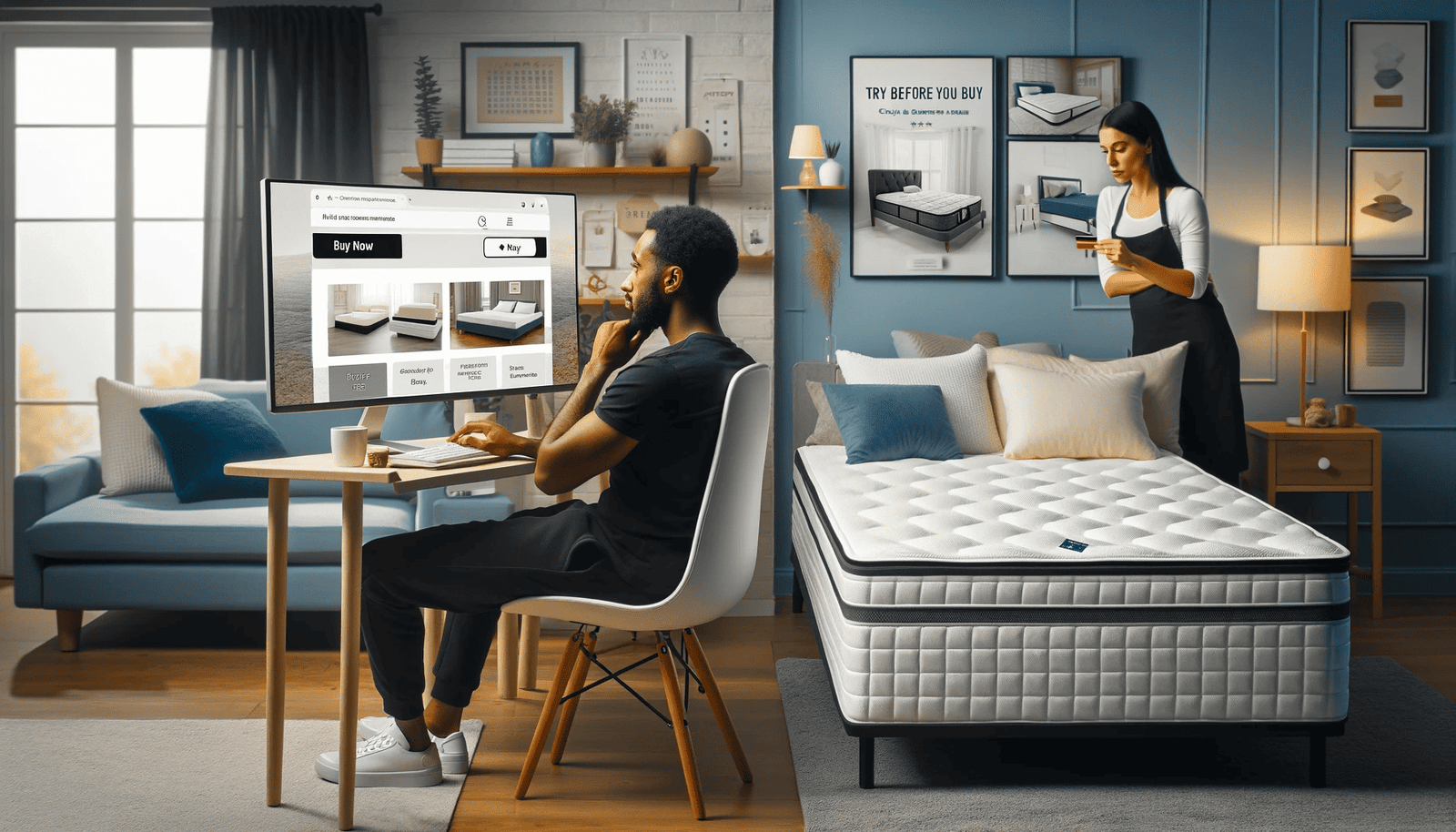
The Importance of Trying Out Different Levels in-store or Utilizing Online Trial Periods
While understanding firmness levels based on descriptions can be informative, it’s essential to experience them firsthand before making your final decision. In-store shopping allows you to physically test different mattresses by lying down and assessing their comfort and support directly.
However, if you’re considering purchasing a mattress online, many reputable brands now offer trial periods to replicate the in-store experience. These trials typically range from 30 to 120 nights, giving you ample time to sleep on the mattress and evaluate its suitability for your needs.
Take advantage of these trial periods and pay attention to how your body responds after a night’s rest. By allowing yourself enough time to adjust, you’ll gain insight into whether the chosen firmness level adequately supports your sleeping habits and provides the desired comfort levels.
Remember, finding the right firmness level is crucial for a restful sleep experience. Don’t rush through this decision; take the time to explore different options either in-store or through online trials to ensure a mattress that perfectly matches your preferences and facilitates rejuvenating slumber.
Additional Features to Consider
Edge Support for Maximum Usable Surface Area
When exploring mattress options, it is essential to pay attention to the edge support feature. Edge support refers to the mattress’s ability to maintain its structural integrity and provide adequate stability, especially around the perimeter.
This feature becomes particularly important if you tend to sleep near the edge of the bed or if you share your bed with a partner. Poor edge support can lead to a feeling of instability and even result in sagging edges over time.
On the other hand, mattresses with excellent edge support ensure that you can utilize the entire surface area without experiencing any discomfort or fear of rolling off. This becomes especially relevant for those who like sitting on the edge of their bed or rely on it as an additional seating option in their room.
Temperature Regulation Technologies (Gel-Infused Foam or Cooling Covers)
We all know how uncomfortable it can be when a mattress retains heat during sleep, leading to restless nights and excessive tossing and turning. To combat this issue, many modern mattresses come equipped with temperature regulation technologies that promote a cool and refreshing sleeping environment. Gel-infused foam is one such innovation that helps dissipate body heat by absorbing and redistributing it away from your body.
The cooling properties of gel-infused foam work wonders for hot sleepers who often find themselves waking up in pools of sweat. Cooling covers are another fantastic option for enhancing temperature regulation.
These covers are crafted using breathable materials such as bamboo-derived fabrics or phase-change materials that actively regulate your body temperature throughout the night. By investing in a mattress featuring these cooling technologies, you can ensure a more restful sleep experience without having to worry about discomfort caused by overheating.
Motion Transfer Reduction for Undisturbed Sleep with a Partner
If you share your bed with a partner, motion transfer reduction is a crucial aspect to consider. No one wants to be continuously jolted awake every time their partner moves or gets out of bed during the night.
That’s where motion isolation technology comes into play, minimizing the impact of movement and ensuring an undisturbed sleep for both individuals. Memory foam mattresses are renowned for their ability to absorb and isolate motion due to their viscoelastic properties.
When one person moves on a memory foam mattress, the material absorbs the vibrations instead of transferring them across the surface, allowing your partner to remain blissfully unaware. Additionally, pocketed coil mattresses also excel in reducing motion transfer as each coil is individually wrapped and responds independently to pressure.
This design isolates movement and prevents it from spreading across the entire mattress surface. Considering the importance of uninterrupted sleep for overall well-being, investing in a mattress with excellent motion transfer reduction can make a significant difference in your sleep quality and ultimately contribute to happier mornings.
Price Range Considerations
Determining your budget without compromising on quality
When it comes to purchasing a mattress, setting a budget is essential. However, it’s crucial to strike a balance between price and quality.
While there are affordable options available, it’s important to remember that a mattress is an investment in your sleep and well-being. It’s advisable not to compromise too much on quality to save a few bucks.
Consider the lifespan of the mattress and how long you plan to use it. A higher-quality mattress may have a slightly higher upfront cost, but its durability will pay off in the long run.
Look for mattresses with good warranties, typically ranging from 5-10 years or more, as these can provide added peace of mind. Additionally, read customer reviews and seek recommendations from trusted sources to ensure that even within your budget range, you are choosing from reliable brands known for their quality.
Conclusion
Purchasing a mattress requires thoughtful consideration of various factors such as body type, sleeping position preferences, different types of mattresses available (e.g., innerspring, memory foam), firmness levels suitable for individual needs, additional features like edge support and temperature regulation technologies, and finally price range considerations without compromising on quality.
While the process may seem overwhelming at first glance due to the numerous choices available in-store and online shopping platforms alike, taking the time to understand one’s needs and preferences will ultimately result in finding the perfect mattress for restful nights of sleep.
Remember that investing in a high-quality mattress is an investment in your health and well-being. So go ahead and explore different options – with careful consideration – until you find that dreamy surface promising rejuvenating sleep each night!


