Introduction
The Gateway to Restful Nights: The Importance of a Good Mattress for Quality Sleep
In the hustle and bustle of our modern lives, it is easy to overlook the significance of a good mattress when it comes to achieving a rejuvenating night’s sleep. Sleep is not just a passive state that consumes a third of our lives; it is an essential component of overall well-being.
A good mattress acts as the foundation upon which restful nights are built, enabling us to wake up refreshed, rejuvenated, and ready to conquer the day.
A quality sleep surface goes beyond mere comfort. It supports our bodies, aligns our spines, and relieves pressure points that can lead to tossing and turning throughout the night.
A good mattress ensures proper support for every contour of our bodies, cradling us in a cocoon of comfort that promotes deep and uninterrupted slumber. Moreover, it plays a vital role in preventing the development or exacerbation of various musculoskeletal issues such as back pain or joint stiffness.
Unlocking the Secrets: The Significance of Understanding Mattress Lifespan and Replacement

While we invest time in choosing the perfect mattress initially, many people fail to consider its lifespan or when it should be replaced. Understanding mattress lifespan is crucial because an aging or worn-out mattress can gradually deteriorate in terms of support and comfort over time.
This degradation can have noticeable consequences on both sleep quality and overall health. Moreover, replacing your mattress at an appropriate time ensures that you are maximizing its benefits while minimizing any negative impact on your sleep health.
Regularly evaluating your mattress’s condition will help you identify signs indicating its retirement from duty before discomfort sets in or chronic sleep issues arise due to prolonged use on an unsuitable surface. In this article, we delve into the intricacies surrounding mattress lifespan and when it’s time to replace your trusty sleep companion.
We will explore the factors that influence mattress longevity, discuss average lifespans for different types of mattresses, and highlight the telltale signs indicating that it’s time to bid farewell to your old mattress. So, buckle up and embark on this enlightening journey as we unravel the secrets behind a good night’s sleep and how your mattress plays an indispensable role in attaining it.
Understanding Mattress Lifespan
Factors influencing mattress lifespan
The lifespan of a mattress is influenced by various factors that interact to determine its durability and longevity. The quality of materials used in construction, the type of mattress, the frequency and intensity of use, as well as body weight and sleeping habits all play crucial roles. Firstly, the quality of materials used in constructing a mattress significantly impacts its overall lifespan.
High-quality mattresses are often made with durable components that can withstand regular use over an extended period. These materials include sturdy coils for innerspring mattresses, dense memory foam layers for memory foam mattresses, or premium latex for latex mattresses.
On the other hand, low-quality materials may deteriorate more quickly and lead to a shorter lifespan. Secondly, the type of mattress also affects its lifespan.
Memory foam mattresses, known for their contouring properties and pressure relief capabilities, generally have a longer lifespan compared to traditional innerspring mattresses due to their construction using high-density foams. Latex mattresses tend to be even more resilient thanks to their natural elasticity and resistance to sagging or indentations over time.
Additionally, the frequency and intensity of use influence how long a mattress will last. A mattress that is used more frequently or subjected to intense activities such as jumping or rough handling may experience accelerated wear and tear.
Similarly, individuals who spend more time in bed due to health conditions or lifestyle choices may notice signs of deterioration sooner than those who spend less time on their mattress. Body weight and sleeping habits can impact how long a mattress maintains its performance.
Heavier individuals exert greater pressure on the surface of the mattress while sleeping, leading to increased stress on the support system over time. Additionally, different sleep positions place varying demands on specific areas of the bed (e.g., side sleepers require more cushioning for hips and shoulders), which can affect how long the mattress remains comfortable and supportive.
Average lifespan for different types of mattresses
The average lifespan of a mattress can vary depending on its type. While it is essential to remember that individual experiences may differ, here are general estimates for the lifespans of common mattress types:
Innerspring mattresses: These traditional coil-based mattresses typically last around 7-10 years.
The durability and longevity can depend on factors such as coil quality, gauge, and the quality of comfort layers.
Memory foam mattresses: Known for their ability to conform to body contours and relieve pressure points, memory foam mattresses generally have a lifespan of around 8-12 years.
Higher density foams tend to be more durable and may extend the overall lifespan.
Latex mattresses: Constructed from natural or synthetic latex, these mattresses are highly durable and resilient.
On average, latex mattresses can last up to 15 years or more due to their inherent resistance to sagging and compression. It is important to note that these estimates are based on typical usage conditions and proper care.
Individual experiences may vary based on factors discussed earlier, such as body weight or intensity of use. Regularly assessing signs of wear and comfort changes is crucial in determining when it might be necessary to replace a mattress.
Signs that Indicate It’s Time to Replace Your Mattress
Physical wear and tear on the mattress surface
Your mattress endures a tremendous amount of pressure over its lifespan. As time goes by, it gradually succumbs to the inevitable wear and tear.
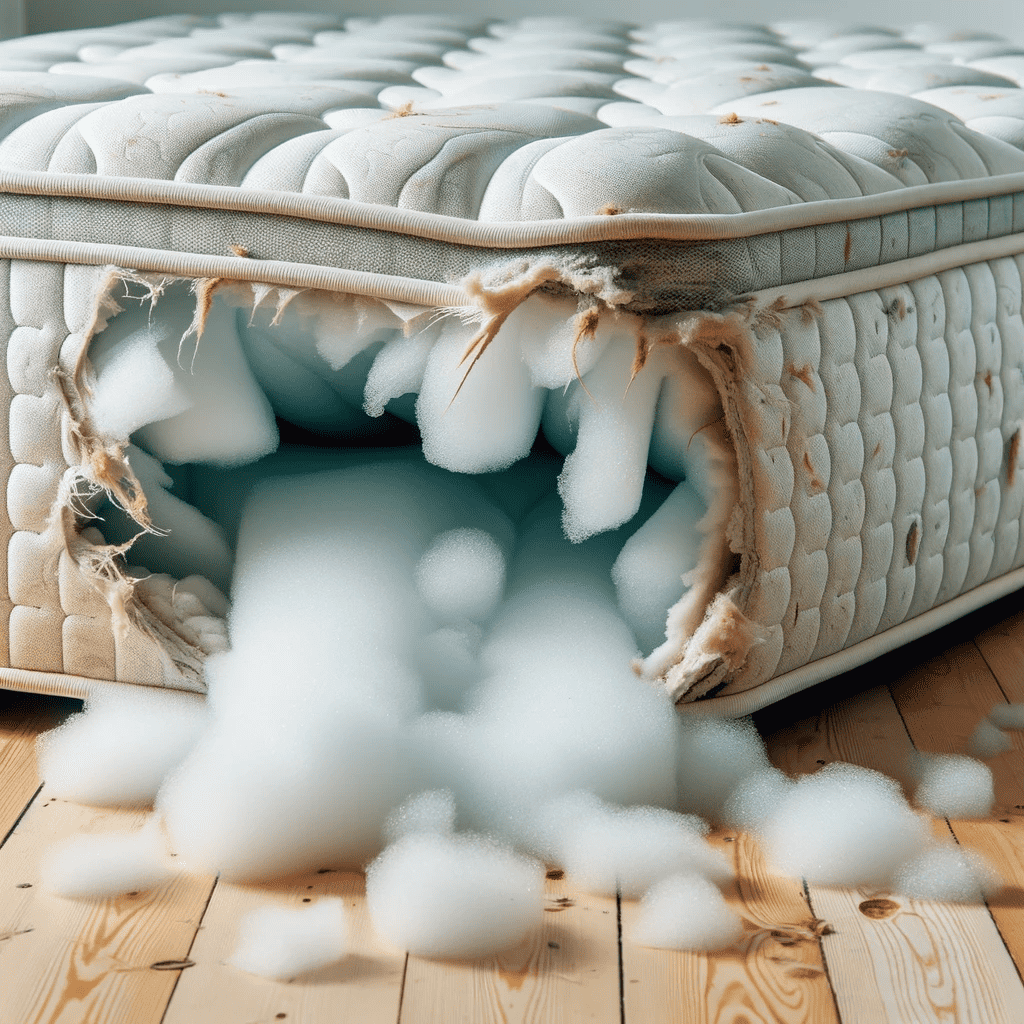
One of the most apparent signs that your mattress is nearing its expiration date is visible sagging or indentations on its surface. When you notice depressions forming where you sleep, it indicates that the internal structure of the mattress has weakened, resulting in inadequate support for your body.
This can lead to poor spinal alignment, discomfort during sleep, and even exacerbate existing back or joint pain. Furthermore, lumps or unevenness in your mattress are a clear indication that its materials may have shifted or deteriorated unevenly over time.
These irregularities not only compromise the comfort level but also affect how well your body is supported during sleep. Sleeping on an uneven surface can cause discomfort as pressure points are not properly relieved, often leading to tossing and turning throughout the night.
Decreased comfort and support
Over time, mattresses experience natural wear that affects their ability to provide adequate comfort and support. Loss of firmness or excessive softening is one such sign that should not be ignored when considering replacing your mattress.
A once supportive surface may begin to feel excessively plush or lacking in firmness due to compressed foam or worn-out springs. As your mattress loses its original form, you may start experiencing increased discomfort during sleep.
Waking up with stiffness or aches in various parts of your body is a clear indicator that your current sleeping surface is no longer providing proper support for healthy spinal alignment. The lack of support can lead to restless nights as you struggle to find a comfortable position.
Unwanted allergens and irritants
Apart from physical signs of wear and diminished comfort, your mattress could potentially harbor unwanted allergens and irritants that can negatively impact your health. Over time, dust mites, bed bugs, and other pests can find their way into the layers of your mattress.
These microscopic creatures thrive in warm environments and feed on flakes of human skin. Their presence can cause allergic reactions such as sneezing, itching, or even respiratory issues for those sensitive to these allergens.
Moreover, mattresses tend to absorb odors over the years. Despite regular cleaning efforts, lingering smells from sweat, body oils, or spills can become embedded in the fabric and padding.
Persistent unpleasant odors emanating from your mattress not only affect the overall atmosphere of your bedroom but may also disrupt your sleep by triggering discomfort or allergies. It is crucial to be mindful of these signs as they indicate when it’s time to replace your mattress for both comfort and health reasons.
When to Replace Your Mattress Based on Sleep Quality Factors
Changes in your body’s needs over time
As we go through life, our bodies undergo various changes that can impact our sleep quality and comfort. One significant factor to consider when determining the need for a new mattress is pregnancy or weight gain/loss. During pregnancy, a woman’s body goes through remarkable transformations, including weight gain and shifts in posture.
These changes require additional support and cushioning to ensure proper spinal alignment and alleviate pressure points. Similarly, significant weight fluctuations can alter the way our bodies distribute pressure on the mattress, resulting in discomfort and decreased sleep quality.
Injuries or medical conditions affecting sleep posture
Injuries or medical conditions can have a profound impact on our ability to achieve restful sleep. If you’ve recently experienced an injury or have an ongoing medical condition that affects your sleep posture, it may be time to consider replacing your mattress. Injuries such as back sprains or fractures can cause increased sensitivity and pain while lying down.
Medical conditions like arthritis or fibromyalgia can also exacerbate discomfort during sleep due to increased pressure on joints. A supportive mattress that conforms to your body’s needs can help alleviate these issues by providing adequate support and reducing pressure points.
Sleep disturbances and health issues associated with an old mattress
Over time, an old mattress may contribute to various sleep disturbances and health issues. One of the most common problems associated with a worn-out mattress is chronic back pain or joint stiffness upon waking up. As the integrity of a mattress deteriorates with age, it loses its ability to provide proper support for your spine and joints, leading to misalignment during sleep.
This misalignment places unnecessary stress on certain areas of your body, often resulting in discomfort upon waking up. Additionally, an old mattress could become a breeding ground for allergens such as dust mites and bed bugs.
These pests can trigger asthma, allergies, and respiratory problems that disrupt sleep. Moreover, an unpleasant odor emanating from an old mattress may lead to difficulty falling asleep and staying asleep.
Conclusion
A good night’s sleep is essential for overall well-being and productivity in our daily lives. Understanding the lifespan of a mattress and when to replace it is crucial in maintaining optimal sleep quality.
Factors like changes in body needs due to pregnancy or weight fluctuations, injuries or medical conditions affecting sleep posture, as well as sleep disturbances associated with an old mattress, are all telltale signs that it’s time for a replacement.
By recognizing these indicators and investing in a new mattress that meets your specific requirements, you can improve your sleep environment and promote better health outcomes. Remember, the right mattress supports not only your body but also your dreams of waking up refreshed each morning.


