
Introduction
When it comes to creating a serene and comfortable sleeping environment, the role of proper mattress care and maintenance cannot be overstated.
Many individuals may underestimate the significance of investing time and effort into maintaining their mattress, but neglecting this essential task can lead to various issues, including reduced comfort, decreased lifespan, and potential health hazards.
By understanding the importance of mattress care and adopting regular maintenance practices, you can significantly enhance your sleep quality as well as extend the life of your investment.
The Importance of Mattress Care and Maintenance
Mattresses are not mere pieces of furniture; they are sanctuaries where we rejuvenate our bodies after a long day’s work. As we spend approximately one-third of our lives on our mattresses, it is crucial to prioritize their care and upkeep.
Neglecting routine maintenance can result in an accumulation of dirt, dead skin cells, dust mites, allergens, and even bed bugs over time.
This buildup not only affects the quality of sleep but also poses potential health risks such as allergies or respiratory issues. In addition to health concerns, inadequate mattress care can lead to visible wear and tear.
Without proper attention, the materials may deteriorate faster than expected; springs may lose their resilience or become noisy when moving around on the bed; memory foam might lose its shape; or latex may dry out prematurely. Regular care ensures that your mattress remains in optimal condition for a longer period.
The Benefits of a Well-Maintained Mattress

A well-maintained mattress brings forth numerous benefits that directly impact your sleep experience and overall well-being. Firstly, ensuring cleanliness through consistent cleaning routines minimizes allergic reactions caused by dust mites or other allergens that thrive in neglected mattresses. Breathing cleaner air while you sleep promotes better respiratory health.
Moreover, a well-maintained mattress contributes to enhanced comfort. By addressing issues such as sagging or uneven wear, you can enjoy a more supportive and even sleeping surface.
This, in turn, alleviates pressure points on your body and reduces the likelihood of waking up with aches and pains. Maintaining your mattress properly also protects your investment.
Mattresses can be costly purchases, and by practicing effective care routines, you ensure that they will last longer. This means fewer expenses on replacements in the future.
Understanding the significance of mattress care and maintenance sets the stage for a restful sleep environment while safeguarding your health and financial resources. By devoting attention to cleaning routines and addressing specific maintenance needs based on your mattress type, you are fostering longevity, maximizing comfort, and promoting overall well-being.
Innerspring Mattresses: The Coil Count and Durability
Unveiling the Secret Behind a Restful Sleep
When it comes to innerspring mattresses, one essential aspect to consider is the coil count and its impact on durability. Coils act as the foundation of these mattresses and play a crucial role in providing support and maintaining shape over time.
The coil count refers to the number of individual coils present within the mattress, with higher counts typically indicating enhanced support and longevity. A higher coil count translates into a more responsive mattress that contours to your body’s natural curves.
This ultimately promotes better spinal alignment, minimizing pressure points that can lead to discomfort or disrupted sleep. Additionally, a mattress with a higher coil count tends to distribute weight more evenly, reducing motion transfer for those sharing the bed – an especially valuable attribute for light sleepers.
To ensure optimal durability of your innerspring mattress, it is recommended to regularly flip and rotate it. Flipping involves turning the mattress over entirely while rotating entails spinning it from head to foot.
By implementing this routine every few months, you prevent excessive wear on specific areas of the mattress, prolonging its lifespan significantly. Flipping and rotating help maintain consistent support throughout the entire surface while preventing sagging or uneven wear – key factors that can compromise both comfort and durability.
Memory Foam Mattresses: Heat Sensitivity & Proper Ventilation

The Science Behind Your Sleep Environment
Memory foam mattresses have gained immense popularity due to their ability to conform closely to an individual’s body shape while offering exceptional pressure relief. However, their heat sensitivity poses unique considerations for care and maintenance.
The heat sensitivity of memory foam is attributed to its composition comprising viscoelastic materials that soften when exposed to body heat. While this characteristic contributes significantly towards comfort by contouring precisely where needed, it may also cause heat retention issues for some individuals.
To alleviate this, ensure your bedroom is adequately ventilated, allowing air to circulate around the mattress. This ventilation prevents heat from becoming trapped and facilitates a cooler sleeping environment.
Another noteworthy aspect to consider when selecting a memory foam mattress is foam density. Density refers to the weight of the foam per cubic foot, with higher density foams typically being more durable and supportive.
A higher density also indicates better motion isolation properties, making memory foam mattresses an excellent choice for couples or restless sleepers.
By understanding the principles of heat sensitivity and proper ventilation in memory foam mattresses and considering factors such as foam density and support levels, you can curate an optimal sleep experience that maximizes comfort while maintaining longevity.
General Mattress Care Tips
Regular Cleaning Routines
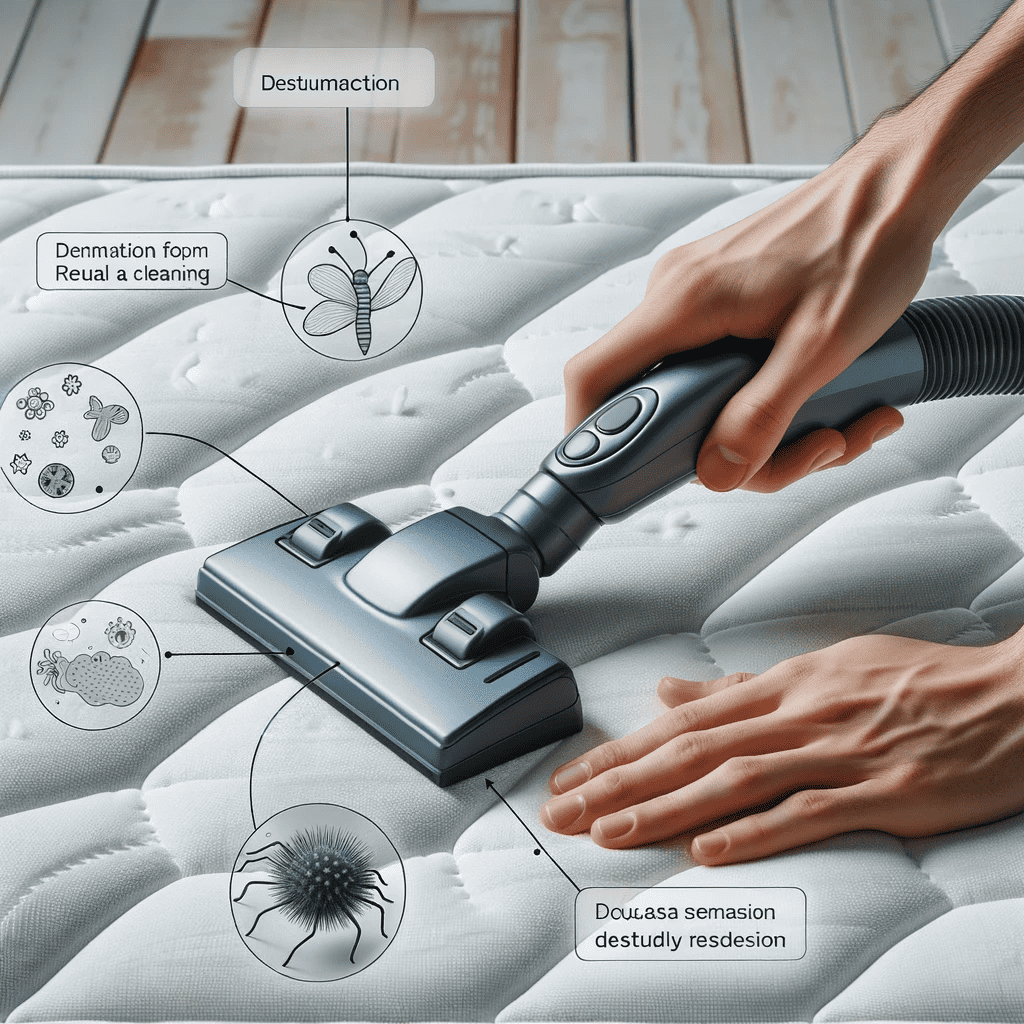
Maintaining a clean mattress is crucial not only for hygiene but also for its longevity. Regular cleaning routines should include a combination of vacuuming and spot cleaning. Vacuuming your mattress every few months helps to eliminate dust mites, dead skin cells, and other allergens that accumulate over time.
To ensure you capture all the particles hiding within the mattress fibers, use a vacuum cleaner with an upholstery attachment. Start by running the vacuum over the surface gently, paying special attention to the areas where you rest or sleep most frequently.
Vacuuming to Remove Dust Mites and Allergens
Dust mites are microscopic creatures that thrive in mattresses, feeding on dead skin cells and causing allergies for many individuals. Vacuuming is an effective way to control their population.
When using your vacuum cleaner, make sure to target not only the surface but also the sides and corners of the mattress. Additionally, consider using a microfiber cloth attachment to aid in capturing smaller particles.
Spot Cleaning Stains with Appropriate Solutions
Accidental spills or stains are inevitable on mattresses, but they need not be permanent marks tarnishing your sleeping surface. The key is prompt action and using suitable solutions for spot cleaning. Before applying any liquids or cleaners directly onto your mattress, it’s crucial to check the manufacturer’s guidelines to avoid damaging materials like memory foam or latex.
To clean most stains effectively, start by blotting up any excess liquid with a clean cloth or paper towel gently—avoid rubbing vigorously as this can push stains further into the fabric. Then create a homemade solution by mixing mild dish soap with warm water until it forms suds.
Using a sponge or soft cloth dipped in this solution, gently dab at the stain without saturating the mattress too much. Use a clean, damp cloth to rinse the area, and allow your mattress to dry thoroughly before covering it again.
Using Mattress Protectors
One of the simplest and most effective ways to protect your mattress from spills, allergens, and other types of damage is by using a quality mattress protector. These protective covers act as a barrier between your body and the mattress, ensuring that any spills or accidents do not seep through into the core layers.
Waterproof Protectors for Spills and Accidents
For those with young children or individuals prone to accidents, a waterproof mattress protector is essential. These protectors are typically made from impermeable materials such as vinyl or polyurethane that prevent liquid penetration. In case of spills or bedwetting incidents, simply remove and wash the protector rather than risking permanent damage to your expensive mattress.
Allergen-Proof Protectors for Sensitive Individuals
If you suffer from allergies or have respiratory issues like asthma, an allergen-proof mattress protector can significantly reduce exposure to common triggers like dust mites, pet dander, or pollen. These protectors are designed with densely woven fabrics that create an impenetrable barrier against allergens while maintaining breathability for optimal comfort during sleep.
Investing in high-quality mattress protectors ensures that your precious sleep surface remains clean and protected over time. Regular cleaning routines combined with the use of these protective covers will help extend the lifespan of your mattress while keeping it hygienic for a restful night’s sleep.
Specific Maintenance Techniques for Different Mattress Types
A. Innerspring Mattresses: Flipping vs Rotating – Which is Better?
Prolonging the Lifespan and Comfort of Your Innerspring Mattress – Innerspring mattresses, with their coil-based support systems, require specific maintenance techniques to ensure longevity and optimal comfort. The question often arises: should you flip or rotate your innerspring mattress?
Well, the answer lies in understanding the purpose of each action. Flipping an innerspring mattress involves turning it upside down so that the bottom surface becomes the top. This practice aims to distribute wear and tear evenly across both sides of the mattress.
However, flipping is more suitable for double-sided mattresses specifically designed for this purpose. Most modern innerspring mattresses are single-sided, meaning they have a designated top and bottom side, making flipping unnecessary.
Rotating an innerspring mattress involves turning it 180 degrees so that the foot end becomes the head end. This technique promotes even wear throughout the entire surface of the mattress.
By rotating your innerspring mattress every three to six months, you can prevent excessive sagging and extend its lifespan. Addressing sagging or uneven wear is another crucial aspect of maintaining an innerspring mattress.
Over time, pressure points can cause depressions or valleys to form on specific areas of the sleeping surface. To rectify this issue, use padding materials like foam or felt under areas prone to sagging or employ a durable foundation such as a box spring to provide consistent support.
B. Memory Foam Mattresses: Dealing with Heat Retention Issues
Achieving Optimal Sleep Temperature on Your Memory– Foam Mattress Memory foam mattresses have become increasingly popular due to their ability to conform to an individual’s body shape while providing exceptional comfort and support. However, one common concern associated with memory foam is its potential to retain heat, causing discomfort during sleep. Thankfully, several strategies can help mitigate this issue.
Firstly, ensure proper ventilation in your bedroom. Keep windows open or use a fan to circulate air, creating a cooler sleeping environment. Additionally, choose breathable bedding materials like cotton or bamboo that allow for better airflow around your body.
Consider investing in a memory foam mattress with cooling features. Some manufacturers incorporate gel-infused foam layers or open-cell technology designed to enhance breathability and dissipate heat effectively. If you still experience discomfort due to heat retention on your memory foam mattress, try using temperature-regulating mattress toppers or cooling pads specifically designed for this purpose.
These products often utilize phase-changing materials or innovative cooling technologies that can provide a more comfortable sleep surface temperature. To revive flattened memory foam areas caused by prolonged pressure and body weight distribution, regularly rotate your mattress every few months. This simple act helps distribute the weight more evenly and prevents certain areas from compressing excessively.
C. Latex Mattresses: Preventing Latex from Drying Out
Maintaining the Suppleness and Durability of Your Latex Mattress – Latex mattresses offer exceptional durability and support along with natural hypoallergenic properties, making them an excellent choice for many individuals.
To ensure the longevity of your latex mattress while preserving its comfort level, it is crucial to prevent latex from drying out over time.
One effective way to prevent latex from drying out is by keeping it away from direct sunlight or high-temperature environments.
Prolonged exposure to sunlight’s ultraviolet (UV) rays can cause the latex material to degrade faster and lose its elasticity. Therefore, position your latex mattress away from windows where it won’t be exposed to direct sunlight.
Maintain consistent humidity levels in your sleeping environment as extreme dryness can also contribute to the drying out of latex. Use a humidifier or dehumidifier as needed to ensure a moderate level of humidity, typically around 40% to 60%.
Consider using mattress protectors specifically designed for latex mattresses. These protectors act as a barrier against spills, stains, and dust mites while also preventing excessive moisture absorption that can lead to latex drying out. To maintain consistent firmness levels in your latex mattress, rotate it every six months.
This helps distribute the pressure and weight evenly across the surface, ensuring an extended lifespan and optimal sleeping experience.
By implementing these maintenance techniques tailored to each mattress type, you can preserve the quality and comfort of your mattress for years to come. Remember that understanding the specific needs of your mattress is key in providing proper care and maximizing its longevity.
Seasonal Care Considerations
Summer Care Tips: Managing Temperature Regulation
During the summer months, ensuring proper temperature regulation for your mattress is crucial for a good night’s sleep. To maintain a cool and comfortable sleeping environment, consider the following tips:
1. Optimal Room Temperature: Keep your bedroom at an ideal temperature between 60 and 67 degrees Fahrenheit (15-19 degrees Celsius). This range promotes better sleep by allowing your body to regulate its internal temperature more effectively.
2. Breathable Bedding: Choose lightweight, breathable bedding materials such as cotton or bamboo sheets that allow proper airflow and help wick away perspiration, preventing discomfort caused by overheating.
3. Cooling Mattress Toppers or Protectors: Consider investing in cooling mattress toppers or protectors made of gel-infused foam or phase-change materials that can absorb and dissipate excess heat from your body.
Summer Care Tips: Protecting Against Humidity Damage
Humidity levels tend to rise during summer months, which can potentially impact the quality and longevity of your mattress. Here are some tips to protect against humidity damage:
1. Dehumidify Your Bedroom: Use a dehumidifier in your bedroom to control excess moisture in the air. This helps prevent mold growth and minimizes the risk of mildew forming on your mattress.
2. Proper Ventilation: Ensure adequate ventilation in your bedroom by opening windows or using fans to circulate air, reducing humidity levels inside the room.
3. Avoid Direct Sunlight Exposure: Keep curtains or blinds closed during the hottest parts of the day to prevent direct sunlight from heating up your bedroom and potentially damaging the materials of your mattress over time.
Winter Care Tips: Battling Moisture Buildup During Colder Months
In colder months, moisture buildup becomes a concern due to increased condensation and reduced ventilation. To combat moisture-related issues during winter, consider the following tips:
1. Use Moisture-Wicking Bedding: Opt for bedding made of moisture-wicking materials such as wool or moisture-resistant mattress protectors to prevent excess moisture from accumulating on your mattress.
2. Proper Ventilation: Despite the colder weather, ensure regular ventilation by opening windows for a few minutes each day to allow fresh air to circulate and prevent excessive condensation.
3. Heating Control: Avoid placing your mattress directly above or near heat sources like radiators, as this can lead to drying out the materials and potentially damaging them. Maintain a consistent temperature in your bedroom to mitigate the risk of moisture buildup.
Conclusion
Caring for your mattress seasonally not only ensures its longevity but also contributes to a restful and comfortable sleep year-round. By following these seasonal care considerations, you can maintain an optimal sleeping environment with temperature regulation during summer months and battle against humidity damage or moisture buildup in colder seasons.
Remember that proper maintenance not only protects your investment but also guarantees better sleep quality, allowing you to wake up rejuvenated and ready to seize each day with renewed energy. Embrace these tips and enjoy the benefits of a well-cared-for mattress that provides you with peaceful nights and blissful dreams ahead!


