Introduction
Memory foam mattresses have gained immense popularity in recent years, revolutionizing the way we experience sleep and rest. With their unique composition and contouring properties, these mattresses offer a plethora of benefits that contribute to better overall sleep quality and comfort. In this article, we will delve into the world of memory foam mattresses, exploring their definition, as well as delving into their fascinating history.
Definition of memory foam mattresses
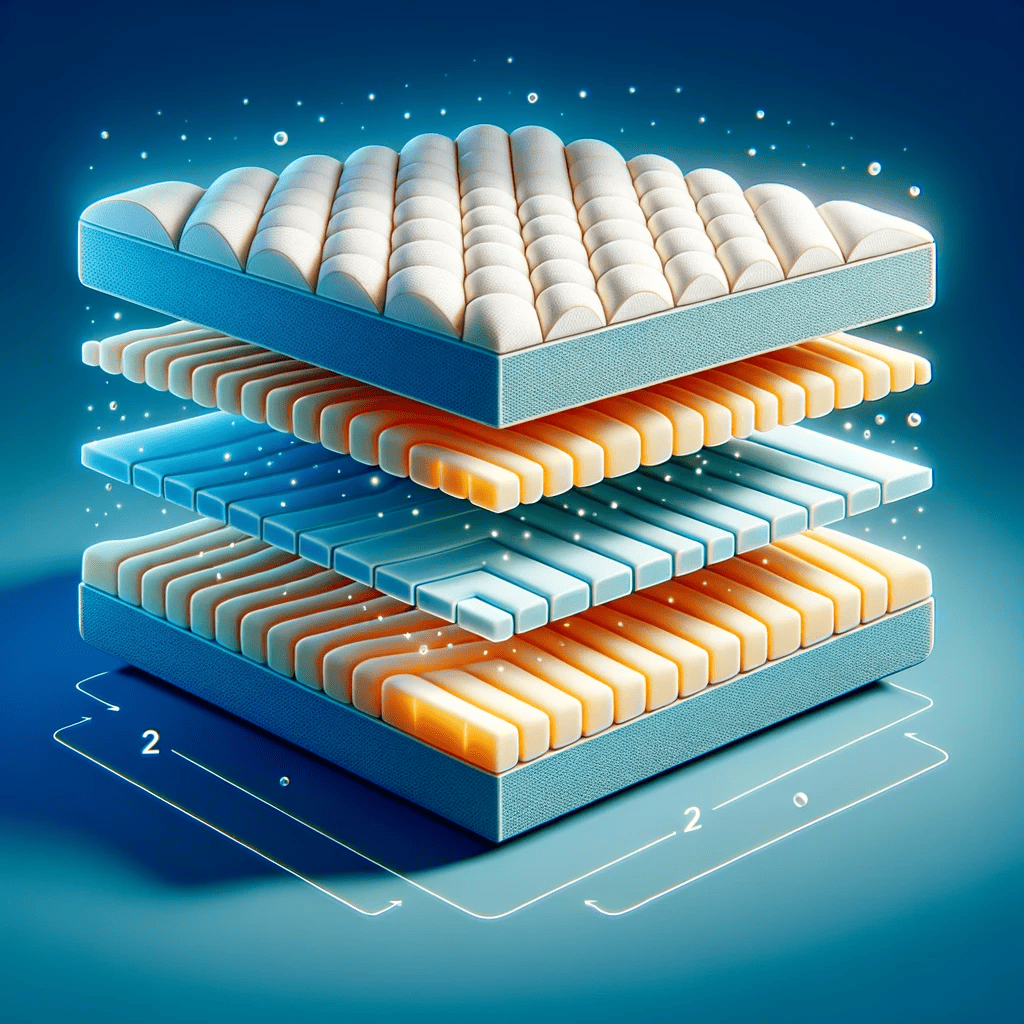
Memory foam mattresses are constructed using viscoelastic polyurethane foam, a material specifically designed to respond to heat and pressure. Unlike traditional spring or latex mattresses, memory foam molds itself according to the shape of your body upon contact. This ability makes it an exceptional choice for individuals seeking personalized support during sleep.
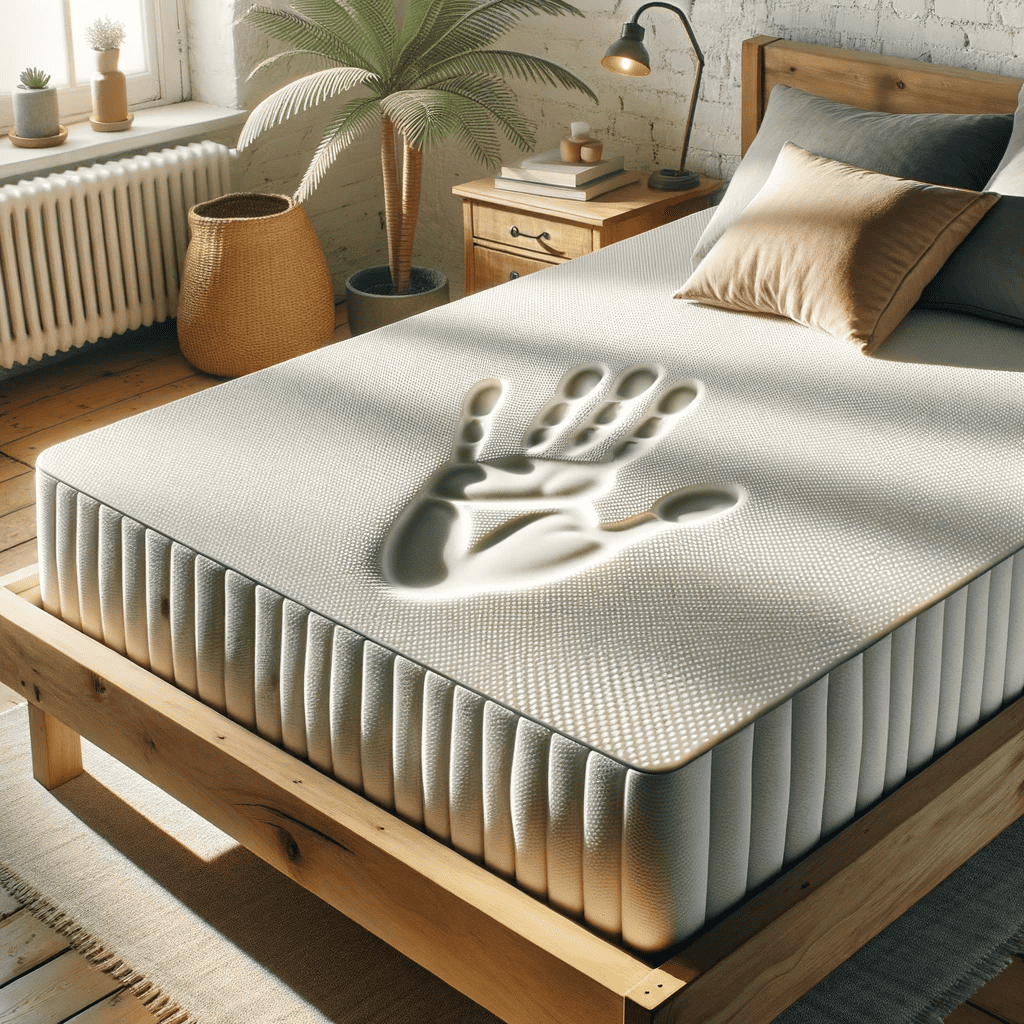
The key characteristic of memory foam is its viscoelastic nature. When exposed to heat from your body or external pressure points such as hips or shoulders, the material softens and conforms to your unique contours.
Once the pressure is removed, it gradually returns to its original shape. This molding capability enables memory foam mattresses to provide unparalleled levels of comfort and support tailored precisely to every individual’s needs.
Brief history of memory foam technology
Although it may seem like a relatively recent innovation, memory foam technology has a captivating history rooted in scientific advancements dating back several decades. Initially developed by NASA in the 1960s for space travel purposes, viscoelastic polyurethane foams were created with the intention of enhancing crash protection for astronauts during re-entry into Earth’s atmosphere. The original name given by NASA was “slow spring back” due to its slow recovery rate after compression.
While this initial application never made it into space shuttles due to cost constraints, researchers recognized that this innovative material had tremendous potential outside the realm of aerospace engineering. In subsequent years, commercial interest in memory foam grew steadily as manufacturers recognized its unique qualities and potential for improving sleep quality.
With advancements in technology, memory foam mattresses became more accessible to the general public, offering a breakthrough in sleep comfort and support. Today, memory foam mattresses have become a widely adopted choice amongst consumers seeking an optimal sleeping experience.
By understanding the definition of memory foam mattresses and exploring their fascinating history, we are now equipped with the background knowledge necessary to delve into the various benefits they offer. From pressure point relief to health advantages and niche features, each aspect contributes to making memory foam mattresses an exceptional investment for a restful night’s sleep.
High-level benefits of memory foam mattresses
Pressure point relief and body contouring
Memory foam mattresses offer a remarkable advantage when it comes to pressure point relief and body contouring. Unlike traditional mattresses that exert upward force on the body, memory foam molds itself to the shape of the sleeper’s body.
This unique characteristic is due to the material’s viscoelastic properties, allowing it to respond and adapt to heat and pressure. As body heat warms up the memory foam, it becomes more pliable, slowly conforming to every curve, contour, and angle.
The result of this molding process is a customized sleeping surface that helps alleviate pressure points throughout the body. For side sleepers particularly, this is especially beneficial as they often experience concentration of pressure in areas such as hips, shoulders, and knees.
Memory foam contours around these areas while providing even support for other parts of the body. By reducing pressure points, memory foam mattresses promote proper blood circulation and reduce discomfort during sleep.
Spinal alignment and support
Another high-level benefit offered by memory foam mattresses is their ability to maintain proper spinal alignment during sleep. The human spine has a natural S-shaped curve that should be preserved even while lying down.
Memory foam provides optimal support by gently cradling each part of the spine according to its natural curvature. As a result, the weight distribution is evenly spread along the length of the spine instead of being concentrated on certain areas.
Individuals with back or joint pain can greatly benefit from memory foam mattresses due to their supportive properties. The material’s ability to conform closely to one’s unique shape allows for better alignment between the spine and other joints such as hips or shoulders.
By promoting proper spinal alignment throughout the night, memory foam helps alleviate pain caused by misalignment or poor sleeping posture. Memory foam mattresses excel at providing pressure point relief and body contouring by molding to the sleeper’s shape and reducing pressure points, especially for side sleepers.
Additionally, they offer excellent spinal alignment and support, crucial for individuals with back or joint pain. These high-level benefits make memory foam mattresses a popular choice among those seeking comfort, pain relief, and healthier sleeping positions.
Allergy-friendly materials and hypoallergenic properties
Protecting your sleep from allergens Memory foam mattresses offer an array of health benefits, starting with their allergy-friendly materials and hypoallergenic properties.
These mattresses are designed to minimize the presence of allergens, making them an excellent choice for individuals prone to allergies or asthma. One key aspect of memory foam’s allergy-fighting nature lies in the use of hypoallergenic materials during production.
Manufacturers carefully select and incorporate materials that are less likely to cause allergic reactions, ensuring a healthier sleep environment. In the production process, memory foam mattresses avoid the use of common allergens such as feathers or wool.
Instead, they utilize synthetic fibers and foams that are inherently less likely to trigger allergies. Polyurethane foams used in memory foam mattresses often go through rigorous testing to ensure they meet strict standards for allergen resistance.
This attention to detail is particularly crucial for people with sensitivities or respiratory conditions who seek a peaceful night’s sleep without disruptions caused by allergens. Additionally, memory foam’s structure acts as a natural barrier against dust mites, mold, bacteria, and other potential triggers that can accumulate on traditional mattresses over time.
The dense composition of memory foam inhibits the accumulation of these microscopic irritants within its layers. Consequently, it helps create an environment where allergen particles find it more challenging to thrive or penetrate the mattress surface.
Reduced motion transfer for undisturbed sleep

Enjoy uninterrupted rest even with a restless partner Another remarkable advantage offered by memory foam mattresses is their unmatched ability to reduce motion transfer during sleep.
This feature is highly desirable for couples sharing a bed or individuals easily disturbed by movement throughout the night. Motion isolation capabilities make memory foam an ideal choice when seeking uninterrupted rest despite having a partner who frequently tosses and turns.
Memory foam’s unique cellular structure and viscoelastic properties enable it to absorb and disperse motion across the surface of the mattress. When one person moves, the foam effectively isolates the impact, preventing it from reverberating through the mattress to disturb the other sleeper.
This outstanding quality allows couples to enjoy a peaceful night without constantly being awakened by their partner’s movements. Furthermore, memory foam mattresses also minimize disturbances caused by external factors such as pets or noise, which can be particularly bothersome for light sleepers.
By absorbing vibrations, memory foam provides an extra layer of tranquility that promotes deep, undisturbed sleep. Whether it’s a restless partner or external disruptions, memory foam’s motion isolation capabilities ensure you can wake up feeling refreshed and rejuvenated every morning.
Niche benefits of memory foam mattresses
Temperature regulation and cooling properties
When it comes to temperature regulation, advanced memory foam mattresses outshine their traditional counterparts. Traditional foams tend to trap heat, causing sleepers to feel uncomfortably warm throughout the night.
In contrast, modern memory foams are equipped with innovative cooling technologies that actively regulate body temperature. The key lies in the composition of the foam itself.
These high-quality memory foams contain open-cell structures and gel-infused particles that work together to dissipate heat and promote airflow. The open-cell structure allows air to flow more freely through the mattress, preventing heat from being trapped in one spot.
Additionally, the gel-infused particles help absorb excess body heat and distribute it across the surface of the mattress. For individuals who tend to sleep hot or live in warmer climates, these cooling properties can be a game-changer.
The ability of memory foam mattresses to regulate temperature enhances comfort by keeping sleepers cool and dry throughout the night. As a result, it promotes more restful and uninterrupted sleep, allowing individuals to wake up feeling refreshed and rejuvenated.
Longevity and durability
When making an investment in a mattress, durability is an important consideration for many consumers. Memory foam mattresses are known for their impressive longevity compared to other types of mattresses on the market.
The high-quality materials used in manufacturing memory foam contribute significantly to its durability. Unlike traditional spring mattresses that may experience sagging or coil breakdown over time, memory foam mattresses maintain their shape exceptionally well due to their viscoelastic properties.
This means that even after years of use, they will bounce back into their original form without losing support or comfort. In addition, reputable manufacturers often use higher-density memory foams which are specifically designed for longevity.
These foams have a higher density per square inch, making them more resistant to wear and tear. This ensures that the mattress retains its quality and support for an extended period.
Considering the long lifespan of memory foam mattresses, they not only provide exceptional comfort but also prove to be cost-effective in the long run. The durability of these mattresses eliminates the need for frequent replacements, ultimately saving consumers both time and money.
Rarely known details about memory foam mattresses

Memory foams used by NASA
Subtitle: The interstellar origins of a sleep revolution Memory foam mattresses have an intriguing connection to the fascinating world of space exploration.
While many people may be unaware of this fact, memory foams were originally developed by NASA in the 1960s to enhance cushioning and protection for astronauts during space missions.
The creation of viscoelastic polyurethane foams, commonly known as memory foams, was aimed at providing optimal comfort and support in zero-gravity environments while also absorbing and redistributing impact forces.
History behind NASA’s development of viscoelastic polyurethane foams
Subtitle: Pioneering innovation for cosmic comfort The development of viscoelastic polyurethane foams by NASA was driven by rigorous research and testing. Scientists at the agency sought to create a material that could alleviate discomfort and enhance safety for astronauts facing extreme G-forces during lift-off and re-entry.
Through extensive experimentation, they discovered that a unique combination of chemicals produced a foam with extraordinary properties – one that reacted to body heat, molding itself closely to the astronaut’s body contours. The resulting viscoelastic polyurethane foam demonstrated exceptional pressure-relieving qualities and excellent energy absorption capabilities.
This breakthrough led to the integration of memory foam technology into various applications, including sleep products like mattresses, pillows, and mattress toppers. Today, memory foam mattresses continue to embody the legacy of innovation sparked by NASA’s quest for cosmic comfort.
Conclusion
Exploring the benefits of memory foam mattresses reveals not only their impressive features but also their intriguing origins. From their humble beginnings in space exploration with NASA’s development of viscoelastic polyurethane foams to their widespread use in modern-day bedding solutions due to their unparalleled support and comfort, memory foam mattresses have revolutionized the way we sleep.
These mattresses offer pressure point relief, spinal alignment, reduced motion transfer, and hypoallergenic properties, ensuring a more restful and healthy sleep experience. So, the next time you settle into your memory foam mattress for a night of deep slumber, remember the cosmic origins that brought this marvel of technology to your bedroom.
Embrace the comfort it provides and savor the knowledge that you are benefiting from a material born out of an ambitious quest to conquer space. Rest assured knowing that science and innovation have combined to create a sleeping surface that offers heavenly comfort paired with earthly tranquility.