
Introduction: The Quest for the Perfect Sleep: Unlocking the Secrets of Mattresses
When it comes to achieving a restful slumber, one cannot underestimate the importance of choosing the right mattress. The quality and type of mattress you sleep on can significantly impact your overall sleep experience and even affect your physical health.
With countless options available in the market, navigating through the vast sea of mattresses can seem like an overwhelming task. However, fear not, for in this comprehensive guide, we will explore the various types of mattresses and delve into their pros and cons, equipping you with knowledge to make an informed decision.
Importance of Choosing the Right MattressThe Foundation for a Sound Sleep
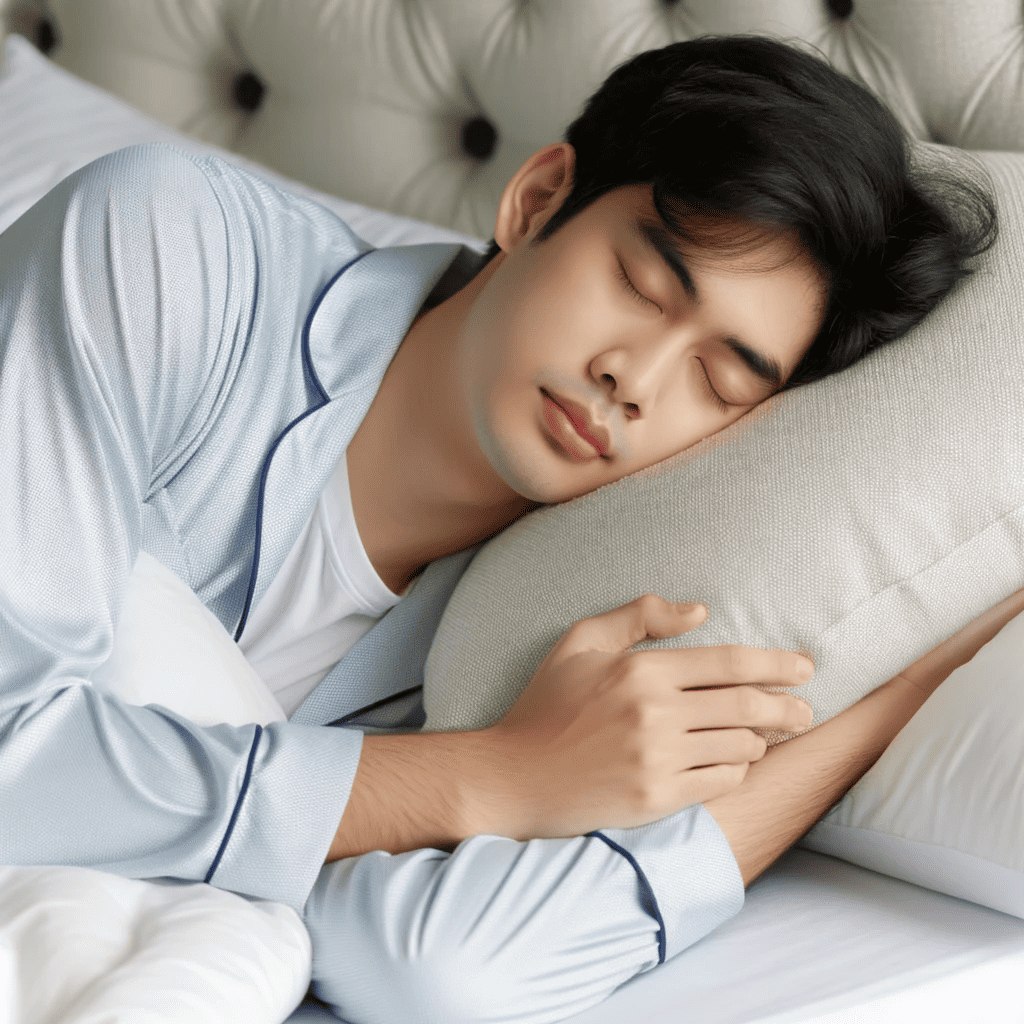
As creatures who spend nearly one-third of our lives asleep, investing in a quality mattress is paramount to our well-being. The right mattress offers more than just a good night’s sleep; it provides essential support for our bodies and promotes optimal spinal alignment. A poorly chosen mattress can lead to discomfort, back pain, and insufficient rest.
Additionally, selecting a suitable mattress is crucial in ensuring that you wake up refreshed and rejuvenated each morning. Quality sleep has been linked to improved cognitive function, increased productivity levels, enhanced mood regulation, and even bolstered immune system functioning.
Overview of Different Types of MattressesA Multitude of Sleeping Surfaces Awaits
In today’s market, there exist an array of mattresses designed to cater to different needs and preferences. The four primary types we will explore are innerspring mattresses, memory foam mattresses, latex mattresses, and hybrid mattresses which combine elements from various types.
- Innerspring Mattresses: Traditional and widely popular, innerspring mattresses consist of a steel coil support system topped with cushioning layers. They offer excellent support and breathability but may lack motion isolation.
- Memory Foam Mattresses: Known for their body-contouring properties, memory foam mattresses utilize viscoelastic foam to provide exceptional pressure relief. However, they can retain heat and have an initial odor.
- Latex Mattresses: Crafted from natural or synthetic latex, these mattresses excel in durability and hypoallergenic properties. They come in two variants: Dunlop latex and Talalay latex.
- Hybrid Mattresses: combining the best of both worlds, hybrid mattresses blend innersprings with memory foam or latex to optimize comfort and support according to individual preferences.
The market is vast, but understanding the key characteristics of each type allows you to narrow down your options based on personal preferences, health considerations, and budget constraints.
Significance of Understanding the Pros and Cons of Each Type: An Informed Choice Yields Restful Nights

To make an educated decision when purchasing a mattress, it is vital to comprehend the advantages and disadvantages associated with each type. Understanding these factors empowers you to align your specific sleep requirements with the mattress that best caters to them.
Familiarizing yourself with the pros enables you to identify which aspects are most important for your own comfort while being aware of the cons helps manage expectations accordingly. By grasping both sides of the equation, you can confidently embark on your journey towards finding that dreamy sleep surface that meets all your needs without any surprises along the way.
Innerspring Mattresses
Definition and Construction
Innerspring mattresses are the most traditional type of mattress available in the market. They are constructed with a support system consisting of metal coils, commonly referred to as springs, that provide the primary support and structure for the mattress.
These coils are typically made from high-quality steel wire, which ensures durability and longevity. The construction of an innerspring mattress involves layering various materials on top of the coil system to enhance comfort.
Coil Count and Gauge
One essential characteristic to consider when purchasing an innerspring mattress is the coil count and gauge. Coil count refers to the number of coils within the mattress; a higher coil count generally indicates better support and more precise contouring to your body’s natural curves. On the other hand, gauge refers to the thickness or diameter of the coils’ wire.
Thicker wires have lower gauge numbers (e.g., 12-gauge), while thinner wires have higher gauge numbers (e.g., 16-gauge). A lower gauge signifies stronger, firmer coils that can withstand more weight without sagging over time.
Bonnell, Offset, Pocketed Coils
Within innerspring mattresses, there are different types of coil systems: Bonnell, offset, and pocketed coils.
Bonnell Coils: These hourglass-shaped coils are interconnected by helical wires at both ends, providing sturdy support.
They offer a bouncier feel but may transfer motion more than other coil types.
Offset Coils: Assembled with an S-shaped design for enhanced responsiveness and conformability, offset coils minimize motion transfer while delivering excellent support.
Pocketed Coils: Also known as individually wrapped or encased coils, each spring is wrapped separately within fabric pockets. This design allows them to work independently from one another, ensuring minimal motion transfer and more targeted support for different areas of the body.
Advantages
Innerspring mattresses offer several advantages worth considering. Firstly, they provide excellent support and durability due to the robust coil system.
The coils distribute weight evenly across the mattress, helping maintain proper spinal alignment and preventing excessive sinkage or discomfort. Additionally, innerspring mattresses have good airflow between the coils, aiding temperature regulation during sleep by allowing heat to dissipate efficiently.
Disadvantages
While innerspring mattresses have their benefits, they also come with some drawbacks. One disadvantage is that they tend to have limited motion isolation. The interconnected nature of the springs means that movements made by one person on the mattress can be felt by others sharing it.
This can be a concern if you share a bed with a partner who frequently moves during sleep. Moreover, over time, innerspring mattresses may start sagging due to prolonged use and compression of the coil system.
This sagging can affect both comfort and support levels, potentially leading to discomfort or back pain if not addressed promptly. Overall, understanding the construction and characteristics of innerspring mattresses allows for informed decision-making when selecting a mattress type that best suits your needs and preferences.
Memory Foam Mattresses
Definition and Composition
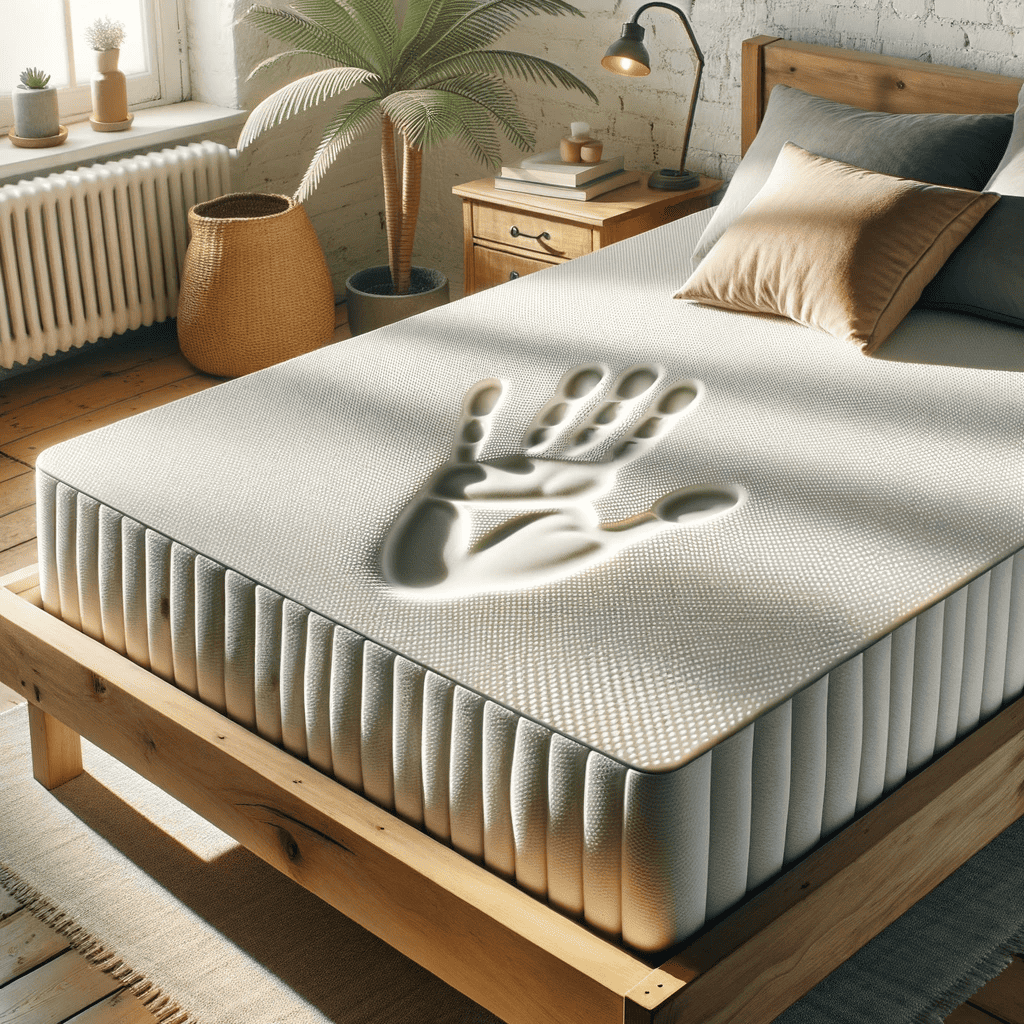
Memory foam mattresses provide a unique sleeping experience due to their composition of polyurethane foam with viscoelastic properties. The material was initially developed by NASA in the 1960s for cushioning astronauts during space missions.
Its ability to conform to the body’s shape and distribute weight evenly made it an ideal choice for these demanding conditions. Over time, memory foam has gained immense popularity in the mattress industry.
The main component of memory foam is polyurethane, a versatile polymer known for its excellent durability and supportive qualities. To give it its distinctive viscoelastic properties, various chemicals are added during manufacturing.
These chemicals allow the foam to respond to body heat and pressure, enabling it to contour closely around individual curves and curves while retaining its shape when not in use. Memory foam mattresses are available in different density levels classified as low, medium, or high.
Depending on individual preferences and needs, each density level offers distinct characteristics. Low-density foams are typically softer and more responsive, providing a plush feel but sacrificing some durability over time.
Medium-density foams strike a balance between comfort and support, making them suitable for most sleepers. High-density foams are firmer and more durable but may feel less conforming initially.
Advantages
Memory foam mattresses have gained immense popularity due to their numerous advantages that cater to a wide range of sleepers’ needs. One of the most notable advantages is their superior pressure relief capability and body contouring properties.
Memory foam actively responds to body heat by softening where there is more pressure applied while remaining firm in other areas. This unique behavior helps alleviate tension on joints and muscles by allowing them to sink slightly into the mattress without causing discomfort or disrupting proper spinal alignment.
Another significant advantage of memory foam mattresses is their exceptional motion isolation capabilities. The viscoelastic nature of memory foam absorbs and minimizes the transfer of motion across the sleep surface.
This feature is particularly beneficial for couples or individuals who share a bed, as it reduces disturbances caused by movements during sleep. The isolation of motion ensures that one partner’s tossing and turning does not disturb the other’s peaceful slumber.
Disadvantages
While memory foam mattresses offer numerous benefits, they also come with a few drawbacks that some sleepers may find important to consider. One common disadvantage associated with traditional memory foam is its tendency to retain heat.
As the foam contours to the body, it can create a cradle-like effect that may trap body heat and hinder proper airflow. This can result in discomfort, especially for individuals who naturally sleep hot or live in warmer climates.
However, advancements in technology have led to the development of open-cell and gel-infused memory foams that address this issue by improving breathability and temperature regulation. Another temporary drawback of memory foam mattresses is their initial off-gassing odor.
When unboxed for the first time, some mattresses emit a distinct chemical smell due to volatile organic compounds (VOCs) released during the manufacturing process. This odor dissipates within a few days as the mattress airs out and VOCs disperse into the surrounding environment.
It’s worth noting that this smell is generally harmless but can be bothersome to individuals with heightened sensitivity to odors. Overall, despite these limitations, memory foam mattresses offer an exceptional sleeping experience characterized by personalized comfort, pressure relief, and excellent motion isolation—making them an appealing choice for many discerning sleepers seeking optimal support and comfort throughout the night.
Latex Mattresses
A. Definition and manufacturing process
Latex mattresses are known for their unique composition and manufacturing process. Natural latex is extracted from the sap of rubber trees, making it an eco-friendly and sustainable material. On the other hand, synthetic latex is created using a chemical process that mimics the properties of natural latex. Both types have distinct characteristics that influence their overall performance.
When it comes to the production of latex mattresses, there are two prominent methods: Dunlop and Talalay.
The Dunlop process involves whipping the liquid latex sap into a frothy consistency before pouring it into a mold. The mold is then heated, causing the particles to settle and form a solid core that is denser at the bottom.
In contrast, the Talalay process incorporates an additional step where whipped liquid latex is partially poured into a mold before being vacuum-sealed and flash frozen to ensure consistent cell structure throughout the mattress.
B. Advantages
“The resilience of nature combined with health benefits.”
1. Exceptional durability: Latex mattresses are renowned for their longevity, often outlasting other types by a considerable margin. The natural elasticity of latex ensures that it maintains its shape over time, resisting body impressions or sagging commonly seen in traditional mattresses.
This exceptional durability results in fewer replacements needed, making them cost-effective in the long run.
2. Natural hypoallergenic properties: For individuals prone to allergies or sensitivities, latex mattresses offer great relief as they possess innate hypoallergenic qualities.
Being resistant to dust mites and mold growth makes them an excellent choice for those seeking healthier sleep environments. Additionally, natural latex derived from rubber trees reduces exposure to harmful chemicals typically found in synthetic materials.
C. Disadvantages
“A luxury that comes at a cost.”
1 . Higher price point compared to other types: It’s important to acknowledge that latex mattresses, due to their exceptional quality and durability, often come with a higher price tag. The intricate manufacturing process and the use of high-quality materials contribute to their elevated cost. However, for those seeking an investment in long-term comfort and health benefits, the higher upfront expense may be well worth it.
2 . Potential for a heavier feel: While latex mattresses offer incredible support and contouring abilities, they may have a slightly heavier feel compared to other types of mattresses. This is especially true for denser variants or those with thicker profiles.
Although the weight can vary depending on individual preferences or specific brands, it’s crucial to consider if the added heaviness aligns with personal comfort preferences and ease of movement during sleep. Latex mattresses provide sleepers with exceptional durability and natural hypoallergenic properties.
The choice between natural or synthetic latex depends on personal preferences and eco-consciousness. Moreover, understanding the manufacturing processes of Dunlop versus Talalay helps consumers select the most suitable option for their needs.
While these mattresses tend to have a higher price point due to their top-notch quality, they offer long-term benefits that outweigh the initial cost. However, potential buyers should also consider whether the slightly heavier feel aligns with their sleep preferences before making a final decision.
I. Hybrid Mattresses
Definition and Combination of Materials
Hybrid mattresses are a delightful fusion of different mattress technologies designed to provide the best of both worlds. By combining innerspring coils with memory foam or latex layers, these mattresses aim to offer the perfect balance between support, comfort, and contouring. The main idea behind this hybrid approach is to leverage the unique qualities of each material to create an exceptional sleep experience.
Mixing Innerspring with Memory Foam or Latex
One popular variation of hybrid mattresses involves pairing traditional innerspring coils with memory foam layers. This combination creates a mattress that offers the support and responsiveness of coils while providing pressure relief and body contouring through the memory foam layer. The innerspring component ensures excellent breathability, allowing for optimal airflow and temperature regulation throughout the night, while the memory foam layer conforms to your body’s shape, offering personalized comfort.
Alternatively, some hybrids incorporate latex layers instead of memory foam. Latex is known for its natural resilience, durability, and hypoallergenic properties.
When combined with innerspring coils, a latex hybrid mattress provides enhanced support along with exceptional flexibility and responsiveness. This combination promotes proper spinal alignment and reduces motion transfer for undisturbed sleep.
Conclusion
Choosing the right type of mattress is undoubtedly an important decision when it comes to ensuring quality sleep. Whether you opt for an innerspring mattress known for its robust support or prefer the body-contouring benefits offered by memory foam or latex options—hybrid mattresses stand out as versatile solutions that bring together multiple materials to meet various sleep needs.
By combining the strengths of different materials such as coils, memory foam, or latex into one harmonious unit, hybrid mattresses offer unparalleled comfort and support tailored specifically to your preferences.
With their ability to strike a balance between traditional and modern sleep technologies, hybrid mattresses serve as an excellent choice for anyone seeking a combination of durability, responsiveness, and pressure relief. So, rest easy knowing that the world of sleep has evolved to provide you with the perfect mattress hybrid for a truly rejuvenating slumber.


