Introduction
The Importance of Choosing the Right Mattress for Vertigo Sufferers
Choosing the right mattress is crucial for individuals with vertigo as it can significantly impact their sleep quality and overall well-being. A suitable mattress can help alleviate symptoms, promote better sleep, and provide much-needed comfort to those dealing with vertigo. By understanding the specific needs of vertigo sufferers, such as proper spinal alignment and pressure relief, we can identify mattresses that offer optimal support.
An Overview of Vertigo and Its Impact on Sleep Quality
Vertigo is a condition characterized by a spinning sensation or dizziness that arises due to issues with the inner ear or vestibular system. This debilitating condition often affects balance, coordination, and can disrupt daily activities, including sleep.
For individuals with vertigo, finding restful sleep can be particularly challenging as certain sleeping positions or movements may trigger vertigo episodes during the night. This disruption in sleep quality not only hampers one’s ability to fall asleep but also contributes to daytime fatigue and reduced overall productivity.
The Purpose of the Article: To Provide Detailed Information on the Best Mattresses for Vertigo
The purpose of this article is to equip individuals suffering from vertigo with detailed information about mattresses specifically designed to address their unique needs. We will dive into various factors that play a crucial role in selecting an appropriate mattress for vertigo sufferers. From discussing different levels of firmness suitable for spinal alignment to exploring pressure relief capabilities and motion isolation properties necessary for undisturbed sleep, our aim is to guide readers towards making informed decisions when choosing a mattress tailored to their specific condition.
Understanding Vertigo and its Effects on Sleep

Definition and Causes of Vertigo
Vertigo is a sensation of dizziness and spinning that can greatly impact an individual’s daily life. It is often caused by issues in the inner ear, such as benign paroxysmal positional vertigo (BPPV) or Meniere’s disease.
BPPV occurs when tiny calcium crystals within the inner ear become dislodged, leading to sudden episodes of vertigo. Meniere’s disease, on the other hand, involves fluid buildup in the inner ear, resulting in recurring vertigo attacks.
How Vertigo Affects Sleep Patterns and Quality
Vertigo can profoundly disrupt sleep patterns and quality. Individuals with vertigo often experience difficulty falling asleep due to persistent feelings of dizziness or imbalance.
Even when they manage to fall asleep, their sleep is frequently fragmented by sudden bouts of spinning sensations, leading to frequent awakenings throughout the night. This constant sleep interruption can result in restless nights and a decreased overall sleep duration.
Importance of Proper Spinal Alignment for Vertigo Sufferers During Sleep
Proper spinal alignment during sleep is crucial for individuals with vertigo as it helps alleviate symptoms and promotes better rest. When the spine is aligned correctly, it reduces strain on the neck, shoulders, and back muscles, which can exacerbate dizziness or discomfort associated with vertigo.
Maintaining proper alignment also ensures that pressure points are minimized, preventing further disturbances during sleep. Choosing a mattress that provides adequate support to align the spine correctly can significantly enhance comfort levels for those suffering from vertigo during their restorative hours of sleep.
Support: The Significance of Adequate Spine and Neck Alignment
Adequate support for the spine and neck alignment is crucial when choosing a mattress for individuals with vertigo. The right level of support can help alleviate discomfort and promote better sleep. Different individuals with vertigo may require varying firmness levels to ensure proper support.
A mattress that is too soft may not provide sufficient support, leading to misalignment of the spine and exacerbation of vertigo symptoms. On the other hand, a mattress that is too firm can create pressure points, causing discomfort during sleep.
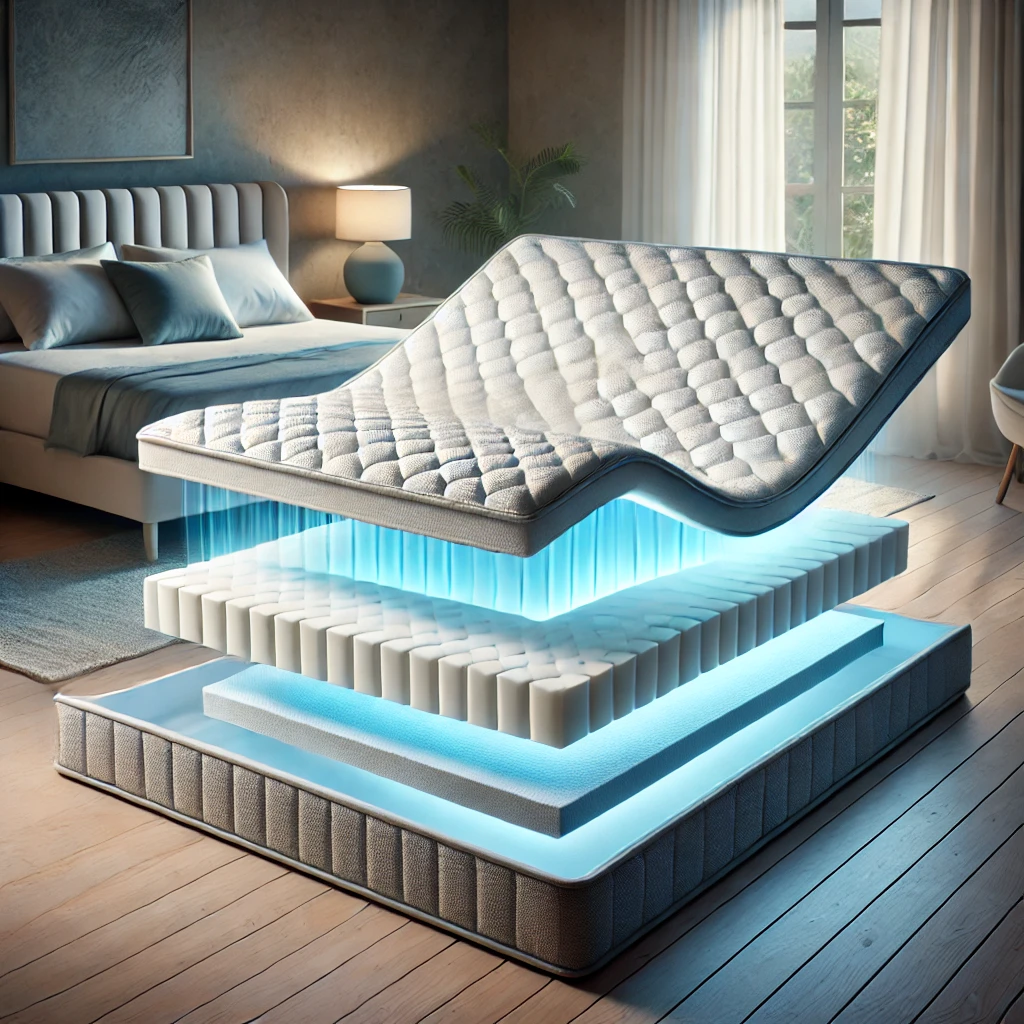
The materials used in a mattress also play a vital role in providing optimal support. High-quality materials like memory foam or latex are known for their ability to contour to the body’s shape and provide targeted support where needed.
These materials help distribute body weight evenly, reducing strain on pressure points such as the shoulders, hips, and neck. This even distribution helps maintain proper spinal alignment, which is essential for individuals with vertigo.
Pressure Relief: Alleviating Discomfort during Sleep
Pressure points can significantly impact vertigo symptoms during sleep. Excessive pressure on specific areas of the body can lead to increased discomfort and worsen vertigo symptoms. Therefore, it is crucial to consider pressure relief when choosing a mattress for individuals with vertigo.
Optimal pressure relief in a mattress helps reduce discomfort by minimizing the force exerted on sensitive areas such as the head, neck, shoulders, lower back, and hips. Memory foam mattresses are often an excellent option for pressure relief due to their ability to conform closely to the body’s contours.
The high-density foam used in memory foam mattresses evenly distributes body weight, effectively relieving pressure on vulnerable areas. By reducing pressure points through proper cushioning and contouring, memory foam mattresses help alleviate discomfort experienced by individuals with vertigo during sleep.
Motion Isolation: Minimizing Sleep Disruptions from Partner Movement

Motion transfer can be particularly disruptive for individuals with vertigo during sleep. Sudden movements or shifts caused by a partner can trigger dizziness, leading to sleep disturbances. Therefore, it is important to consider mattress types that excel in motion isolation.
Certain mattress materials and constructions are designed to minimize the transfer of motion across the surface. Memory foam mattresses, for example, have excellent motion isolation properties due to their ability to absorb and dissipate movement.
The viscoelastic nature of memory foam reduces the transmission of motion, allowing individuals with vertigo to enjoy uninterrupted sleep even if their partner moves or changes positions during the night. Choosing a mattress with superior motion isolation can significantly enhance the sleep quality of individuals with vertigo, ensuring they wake up feeling refreshed and free from additional symptoms triggered by movement disturbances.
Innerspring Mattresses:
Construction, Pros, and Cons in Relation to Vertigo Symptoms Innerspring mattresses consist of a coil support system at the core, topped with layers of padding and upholstery. These mattresses offer a bouncy feel and are known for their excellent breathability.
When it comes to vertigo symptoms, innerspring mattresses have certain characteristics to consider. The firmness level is crucial for proper spinal alignment, so individuals with vertigo should opt for a mattress that provides adequate support without being too rigid or soft.
Additionally, motion isolation is an essential factor as partner movement during sleep can disturb those with vertigo. Some specific models that excel in both support and motion isolation include the Simmons Beautyrest Black Hybrid X-Class Firm and the Saatva Classic Mattress.
Memory Foam Mattresses:
Conforming Body Shape for Spinal Alignment Memory foam mattresses are renowned for their ability to contour to the body’s shape.
For individuals with vertigo, this feature can be particularly advantageous as it helps maintain proper spinal alignment throughout the night. Memory foam evenly distributes body weight, relieving pressure points and reducing discomfort experienced by those with vertigo symptoms.
It also minimizes motion transfer, ensuring uninterrupted sleep even if your partner moves during the night. Popular memory foam options that have received positive feedback from vertigo sufferers include the Tempur-Pedic TEMPUR-Adapt Hybrid Mattress and the Nectar Memory Foam Mattress.
Conclusion
Choosing the right mattress is crucial for individuals dealing with vertigo symptoms as it directly impacts their sleep quality and overall well-being. Innerspring mattresses provide good support and motion isolation capabilities while allowing air circulation through their coil systems. On the other hand, memory foam mattresses conform to body shape, aid spinal alignment by reducing pressure points, and minimize motion transfer for an undisturbed sleep experience.
By carefully considering the construction, pros, and cons of different mattress types and understanding how they relate to vertigo symptoms, individuals can make an informed decision. Investing in a suitable mattress can significantly improve sleep quality for those with vertigo, allowing them to wake up refreshed and ready to tackle the day with greater confidence.