Introduction
Co-sleeping is the practice of sleeping in close proximity to another person, whether it be a partner or a child. This timeless tradition holds great importance in many cultures around the world.
It fosters bonding, promotes feelings of security, and facilitates breastfeeding for infants. Co-sleeping has also been associated with improved sleep patterns and reduced anxiety levels among both adults and children.
The role of mattresses in co-sleeping cannot be understated. They serve as the foundation for a comfortable and safe shared sleeping space.
The right mattress can provide proper support and alignment for all individuals involved, ensuring a restful night’s sleep. Additionally, it can help minimize disturbances caused by partner movements or restless sleepers.
Size and Space Requirements
Choosing the right size mattress is crucial for co-sleeping. Consider the available space in your bedroom and how many people will be sharing the bed. Twin mattresses are suitable for single individuals or small children, while a full-size mattress provides more room for one adult or a parent and child.
A queen-size mattress offers ample space for couples, allowing them to comfortably share their bed with their child. If you have enough space in your bedroom, a king-size mattress provides the most room for co-sleeping families.
Firmness Level

When selecting a mattress for co-sleeping, it’s essential to consider the firmness level that caters to both infants or toddlers and adults. Infants require firmer support to promote proper spinal alignment and reduce suffocation risks.
Look for mattresses with adequate support layers that are firm enough but still offer some cushioning comfort. Adults may prefer slightly softer mattresses that provide pressure relief and contour to their bodies’ natural curves, ensuring a comfortable sleep experience.
Motion Isolation
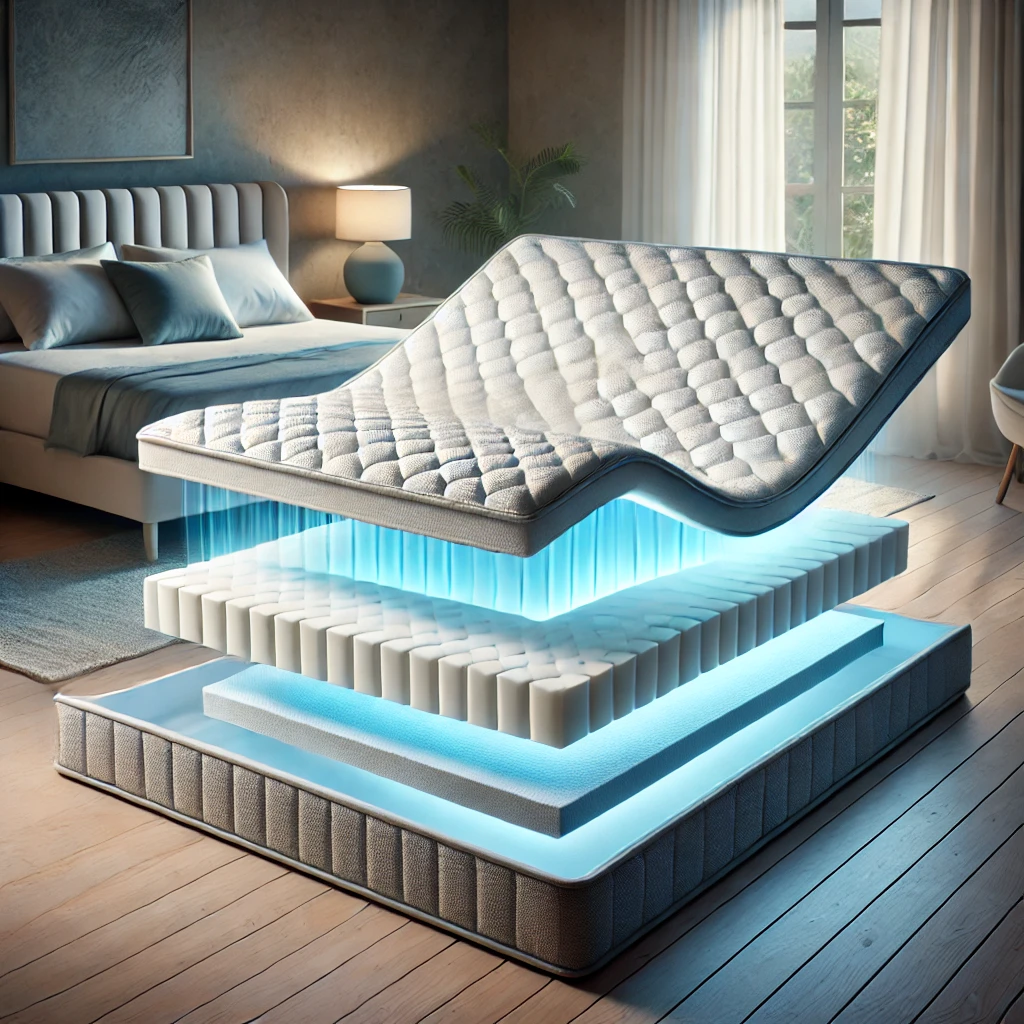
To minimize sleep disturbances caused by partner or child movements during co-sleeping, opt for a mattress with excellent motion isolation properties. Motion isolation refers to how well the mattress absorbs and isolates movement so that it doesn’t transfer across the bed surface. Look for mattresses featuring individually wrapped coils or memory foam layers as they tend to offer better motion isolation compared to traditional coil systems.
Breathability and Temperature Regulation
Preventing overheating during sleep is vital when co-sleeping with infants or young children, as their bodies struggle more to regulate temperature efficiently. Look for mattresses that prioritize breathability and temperature regulation features such as open-cell memory foam or latex materials that allow air circulation throughout the night. Additionally, consider mattresses with cooling technologies like gel-infused foams or breathable covers designed to wick away moisture and promote a cooler sleep environment.
Each of these factors plays an important role in choosing the best mattress for co-sleeping. By considering the size and space requirements, firmness level, motion isolation capabilities, and breathability with temperature regulation features, you can ensure a comfortable and safe sleep environment for everyone involved in co-sleeping.
Types of Mattresses Suitable for Co-Sleeping

Innerspring Mattresses
Innerspring mattresses are one of the popular choices for co-sleeping families. They offer a combination of support and comfort, making them suitable for both adults and children.
Traditional Coil Systems
Bonnell coils are widely used in traditional innerspring mattresses. These hourglass-shaped coils provide good support and durability.
Offset coils have a more responsive feel as they are designed to conform to the body’s contours and minimize pressure points. Continuous wire coils, as the name suggests, form a continuous coil system that offers enhanced support and stability across the entire mattress surface.
Memory Foam Hybrid Innerspring
Memory foam hybrid innerspring mattresses combine the benefits of memory foam and traditional coil systems. These mattresses provide excellent motion isolation, allowing co-sleepers to sleep undisturbed even if their partner moves during the night.
Memory Foam Mattresses
For co-sleeping families seeking exceptional pressure relief and motion isolation, memory foam mattresses are an excellent choice.
Advantages of Memory Foam in Co-Sleeping
Memory foam offers superior pressure relief by contouring to your body shape, reducing stress on joints and muscles. It also excels at motion isolation, minimizing disturbances caused by partner movements during the night. Additionally, memory foam is known for its hypoallergenic properties as it resists dust mites and other allergens.
Latex Mattresses
Latex mattresses offer a natural alternative for co-sleepers looking for responsiveness, durability, and eco-friendliness.
Natural Latex vs Synthetic Latex
Natural latex is derived from rubber trees while synthetic latex is made from petroleum-based materials. Natural latex is often preferred for its eco-friendly nature and breathability.
Synthetic latex, on the other hand, tends to be more affordable. However, it may not provide the same level of durability and environmental benefits as natural latex.
Benefits of Latex in Co-Sleeping
Latex mattresses are known for their outstanding durability, making them ideal for co-sleeping families who require long-lasting support. Furthermore, latex offers excellent responsiveness, adapting to your body’s movements and providing optimal comfort. Its natural breathability helps regulate temperature during sleep, preventing overheating and promoting a comfortable sleep environment.
Special Considerations for Babies and Young Children in Co-Sleeping
Safety Standards and Certifications
Safety standards and certifications play a crucial role when choosing a mattress for co-sleeping with babies and young children. It is essential to select a mattress that meets the highest safety standards to ensure a secure sleeping environment.
Look for certifications such as the Consumer Product Safety Commission (CPSC) compliance, which ensures that the mattress meets federal safety requirements. Additionally, mattresses with Greenguard Gold Certification indicate low chemical emissions, reducing potential health risks for your little one.
Certified Organic Materials
Opting for certified organic materials can provide added peace of mind when it comes to co-sleeping with babies and young children. Organic mattresses are made from natural materials like organic cotton, wool, or latex, which have been grown without the use of harmful pesticides or chemicals. These materials are less likely to cause allergies or skin irritations, making them ideal for sensitive infants and toddlers.
Non-toxic Fire Retardants
Fire safety is crucial in any bedding product, but it’s especially important in co-sleeping setups involving babies or young children. Look for mattresses that use non-toxic fire retardants instead of harmful chemicals. Mattresses with natural fire barriers, such as wool or hydrated silica, can provide effective flame resistance without compromising your child’s health.
Conclusion
Choosing the right mattress for co-sleeping with babies and young children requires careful consideration of their safety and comfort needs. Opt for mattresses that meet stringent safety standards and certifications like CPSC compliance and Greenguard Gold Certification. Certified organic materials can offer an extra layer of reassurance by reducing exposure to harsh chemicals commonly found in conventional mattresses.
Additionally, prioritize non-toxic fire retardants to ensure both fire safety and your child’s well-being. By selecting a mattress that meets these criteria, you can create a safe and comfortable sleeping environment for both you and your little one, fostering a restful night’s sleep for the entire family.