Introduction
Myofascial Pain Syndrome (MPS) causes chronic pain in the muscles and soft tissues. It is characterized by the development of trigger points, which are tight knots of muscle fibers that can be felt under the skin. These trigger points can cause localized pain or refer pain to other areas of the body.
The condition can be debilitating, affecting daily activities and sleep quality. Choosing the right mattress is crucial for MPS sufferers to alleviate their symptoms and improve their quality of life.
A suitable mattress can provide proper support, pressure relief, and spinal alignment, reducing muscle tension and promoting restorative sleep. However, with numerous options available in the market, it’s essential to understand the criteria for selecting the best mattress for MPS.
Importance of Choosing the Right Mattress for MPS Sufferers

Choosing an appropriate mattress plays a vital role in managing MPS symptoms effectively. A well-suited mattress helps reduce pressure on trigger points and promotes healthy blood circulation throughout the body, alleviating pain caused by myofascial knots.
Additionally, it aids in minimizing discomfort caused by muscular stiffness or inflammation. Furthermore, selecting a mattress that provides proper support is crucial for individuals with MPS since it helps maintain proper spinal alignment during sleep.
Maintaining good spinal posture allows muscles to relax fully and facilitates healing processes within affected tissues. Understanding these critical aspects highlights how choosing a suitable mattress tailored to specific needs is essential to ensure better comfort and improved recovery from Myofascial Pain Syndrome symptoms.
Overview of Criteria for Selecting the Best Mattress
When considering mattresses for MPS sufferers, several key criteria should be evaluated: 1. Support: Look for a mattress that offers adequate support to prevent sinking too deeply into the surface while still contouring around your body’s natural curves. 2. Firmness: Optimal firmness varies depending on personal preference and individual pain tolerance.
Finding a balance between comfort and support is crucial to ensure pain relief and comfortable sleep. 3. Material Composition: Different mattress materials, such as memory foam or latex, possess varying characteristics that may be more suitable for MPS sufferers.
Understanding these materials can help make an informed decision. 4. Pressure Relief: A good mattress should evenly distribute body weight, relieving pressure on trigger points and reducing discomfort caused by MPS.
5. Motion Isolation: For those sharing a bed with a partner, finding a mattress with excellent motion isolation properties is essential to minimize disturbances from movement during sleep. By considering these criteria when selecting the best mattress for Myofascial Pain Syndrome, individuals can significantly enhance their comfort level and promote optimal restorative sleep.
Understanding Myofascial Pain Syndrome (MPS)
Definition and causes of MPS: 1. Myofascial Pain Syndrome (MPS) refers to a chronic condition characterized by localized muscle pain and the presence of trigger points, which are hyperirritable knots in the muscle fibers. 2. The exact cause of MPS is still not fully understood, but it is believed to result from various factors, including muscle overload, repetitive movements, poor posture, physical trauma, stress, and underlying medical conditions.
Common symptoms experienced by MPS patients: 1. Individuals with MPS commonly experience persistent muscle pain that may be deep or superficial in nature.
2. Trigger points often cause referred pain sensation that radiates to other areas of the body beyond the actual site. 3. Muscle stiffness and limited range of motion are frequently observed in MPS patients.
4. Other common symptoms include fatigue, sleep disturbances, headaches, and sensitivity to touch. Impact of sleep quality on MPS symptoms:
1. Sleep quality has a significant impact on the severity of MPS symptoms. 2. Poor sleep can exacerbate pain sensitivity and increase muscle tension.
3. Disrupted or insufficient sleep can impair the body’s natural healing processes and lead to increased discomfort during waking hours. 4. Adequate restful sleep is essential for reducing pain levels, promoting tissue repair, and improving overall well-being for individuals with MPS.
Factors to Consider When Choosing a Mattress for MPS

Support and Firmness Levels: 1. Optimal support is crucial for reducing pressure points on muscles affected by myofascial trigger points.
2. A mattress that strikes a balance between firmness and cushioning offers adequate support while providing comfort. Material Composition:
1. Memory foam mattresses are highly recommended as they conform closely to the body’s contours, relieving pressure points effectively. 2. Latex mattresses offer resilience and durability while providing necessary support to reduce pain and discomfort for MPS sufferers.
Motion Isolation Properties: 1. Motion isolation is crucial for MPS patients who are easily disturbed during sleep due to pain or sensitivity.
2. A mattress with excellent motion isolation prevents disruptions caused by movements of your sleeping partner, ensuring an undisturbed restful sleep. By focusing on understanding MPS, its symptoms, and the importance of quality sleep, individuals can make informed decisions when selecting a mattress suitable for managing their condition effectively.
Factors to Consider When Choosing a Mattress for MPS
Support and Firmness Levels
Optimal support relieves pressure points and reduces pain. Balancing firmness ensures accommodation of individual preferences.
Material Composition
Memory foam mattresses provide contouring and pressure relief for MPS. Latex mattresses offer natural responsiveness and durability.
Motion Isolation Properties
Limiting motion transfer prevents disturbances during sleep. Undisturbed rest is crucial for MPS recovery.
Mattress Types Suitable for MPS Sufferers

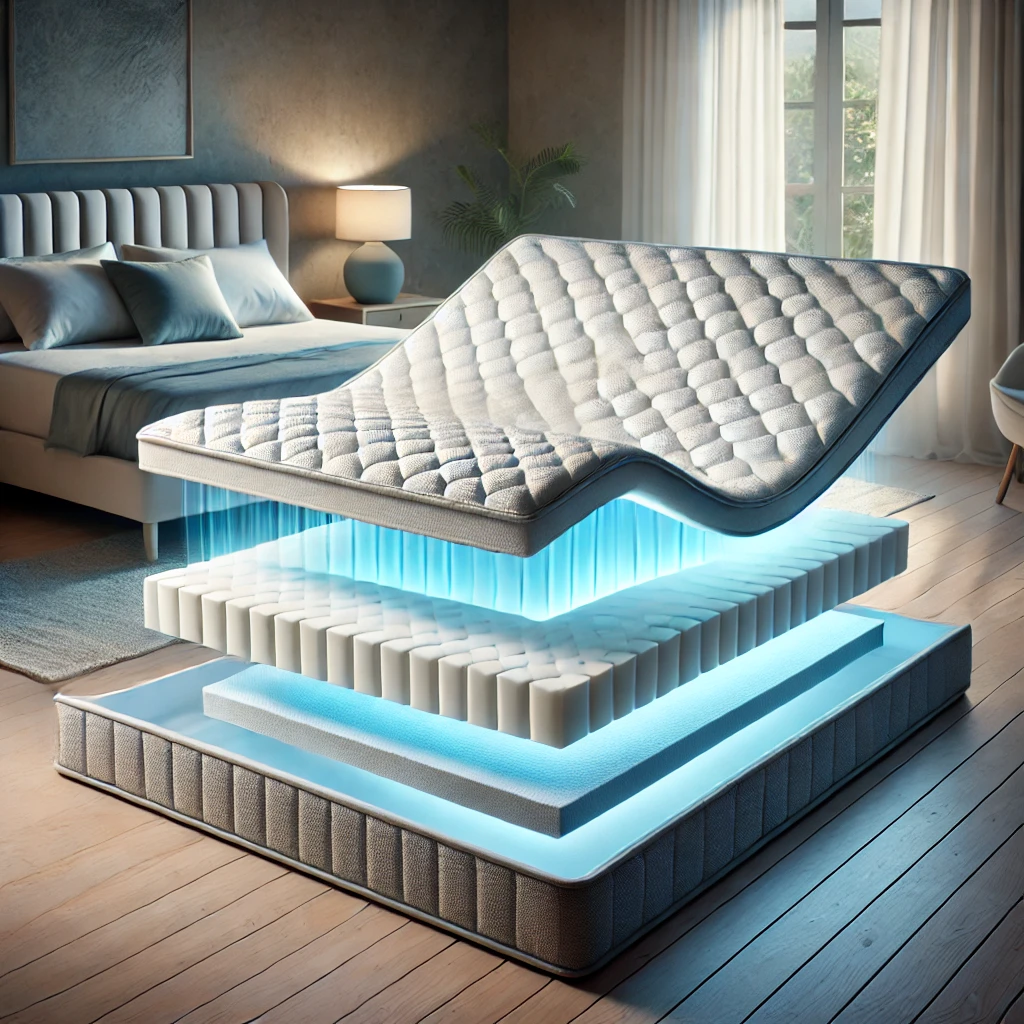
A: Memory Foam Mattresses
The conforming ability of memory foam alleviates pain points effectively. Considerations when selecting memory foam mattresses include density, thickness, and heat retention.
B: Hybrid Mattresses
Combining memory foam with innerspring coils provides optimal support and comfort. Hybrid mattresses offer a range of firmness options suitable for MPS sufferers.
C: Latex Mattresses
Natural latex contours without sinking too deeply, offering comfort and support. Latex mattresses are hypoallergenic, making them suitable for individuals with sensitivities.
Additional Features to Enhance Comfort and Support
No information provided.
Conclusion:
Choosing the right mattress is crucial for individuals suffering from Myofascial Pain Syndrome (MPS). Consider factors such as support, firmness levels, material composition (like memory foam or latex), and motion isolation properties. Memory foam mattresses conform to the body’s shape, relieving pain points effectively.
Hybrid mattresses combine the benefits of memory foam with innerspring coils to provide optimum comfort. Natural latex mattresses contour without sinking deeply, making them ideal for MPS sufferers.
Don’t forget to consider additional features that enhance comfort and support. Overall, finding the best mattress for MPS can significantly improve the quality of sleep and contribute to better pain management and recovery.