Unlocking the Relationship Between Osteoporosis and Sleep Quality
Osteoporosis, a condition characterized by weakened bones and increased susceptibility to fractures, can significantly impact an individual’s sleep quality. The fragile nature of bones affected by osteoporosis can lead to discomfort and pain, making it challenging for sufferers to find a comfortable sleeping position. As a result, sleep interruptions and disturbances become common, leading to reduced sleep duration and overall quality.
The Vital Role of Choosing the Right Mattress for Individuals with Osteoporosis
Selecting the appropriate mattress becomes crucial for individuals battling osteoporosis. A supportive mattress tailored specifically to their needs can alleviate discomfort, promote better spinal alignment, distribute body weight evenly, and reduce pressure points. By providing optimal support and comfort during sleep, the right mattress choice can contribute significantly to improving sleep quality for those suffering from osteoporosis.
In this comprehensive guide on the best mattress for osteoporosis, we will delve into various factors that need careful consideration when choosing a mattress. We will explore different firmness levels that cater specifically to individuals with osteoporosis while examining the significance of proper spinal alignment and pressure relief.
Additionally, we will highlight different types of mattresses that are suitable for those battling osteoporosis while discussing their unique benefits in detail. So let’s dive into this informative journey that will help you make an informed decision in selecting the ideal mattress to improve your sleep quality despite having osteoporosis.
Understanding Osteoporosis and Sleep
Definition and causes of osteoporosis
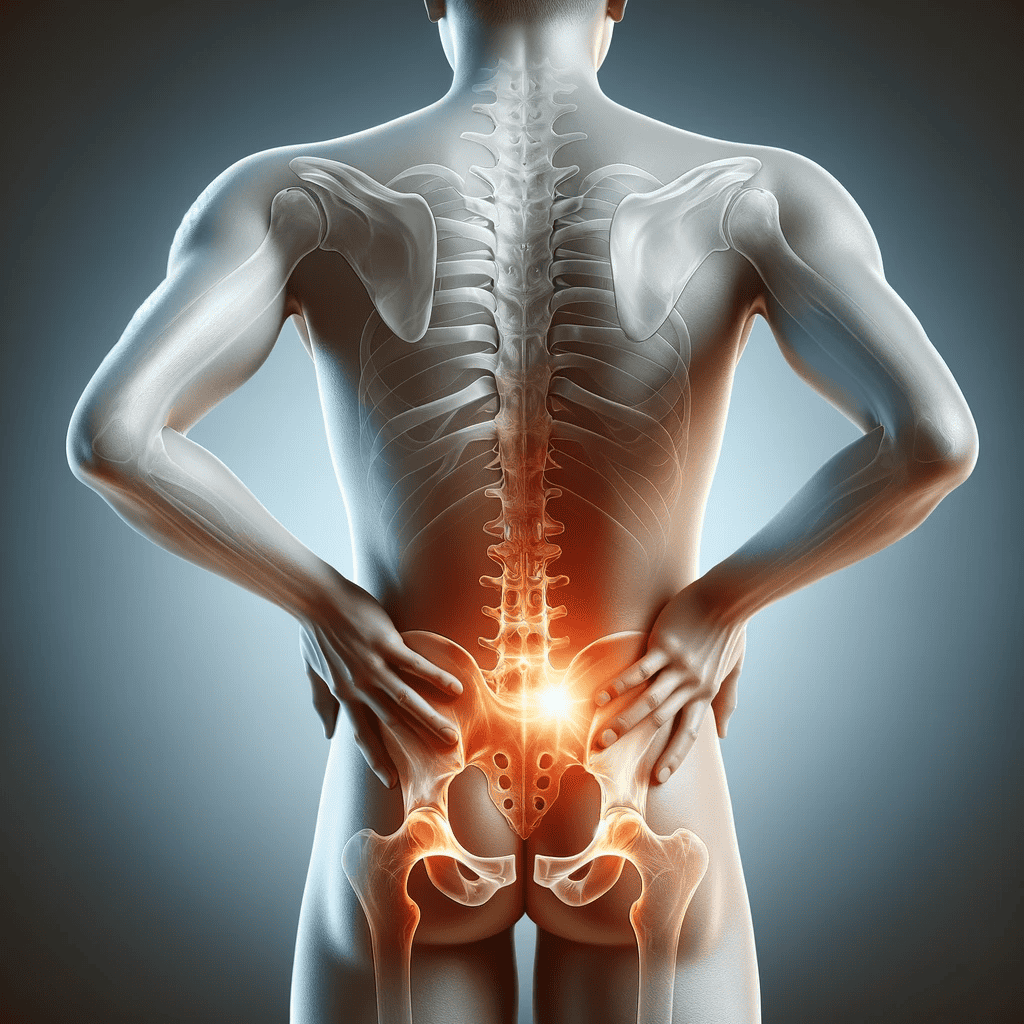
Osteoporosis is a medical condition characterized by reduced bone density and increased fragility, making bones more susceptible to fractures. It occurs when the body fails to form enough new bone, loses too much existing bone, or both. The most common causes of osteoporosis include aging, hormonal changes (such as menopause), inadequate calcium and vitamin D intake, certain medications, and a sedentary lifestyle.
How osteoporosis affects sleep patterns and comfort levels
Osteoporosis can significantly impact sleep quality due to the associated pain, discomfort, and increased risk of fractures during sleep. Individuals with osteoporosis often experience chronic pain in their bones or joints, making it difficult to find a comfortable sleeping position.
This discomfort can lead to restless nights and frequent awakenings throughout the night. Moreover, the fear of sustaining fractures while sleeping may cause anxiety or stress that further disrupts sleep patterns.
The role of a supportive mattress in managing osteoporosis-related sleep issues
A supportive mattress plays a crucial role in managing sleep issues related to osteoporosis by providing proper spinal alignment and pressure relief. A mattress that offers adequate support helps maintain neutral spine alignment during sleep, reducing strain on the skeletal system and minimizing discomfort caused by collapsed vertebrae or joint pain.
Additionally, a supportive mattress helps distribute body weight evenly across its surface, thus alleviating pressure points that could contribute to pain or pressure sores. By providing optimal support and pressure relief tailored for individuals with osteoporosis conditions, a suitable mattress can improve overall comfort levels during sleep while mitigating potential risks associated with this medical condition.
Firmness Level: Exploring the Ideal Firmness for Individuals with Osteoporosis
Soft vs Medium-firm vs Firm Mattresses: Pros and Cons for Each Option
Soft mattresses provide a plush surface that can offer initial comfort, but they may lack adequate support for individuals with osteoporosis. Medium-firm mattresses strike a balance between comfort and support, promoting better spinal alignment. They can help relieve pressure points without compromising overall stability.
Firm mattresses, on the other hand, provide maximum support and help maintain proper spinal alignment by preventing excessive sinking. However, they may feel too rigid or uncomfortable for some individuals.
Customizable Firmness Options Available in the Market
Fortunately, there are customizable firmness options available in the market to cater to individual preferences and needs. Some mattress manufacturers offer dual firmness levels in one mattress, allowing partners with different preferences to enjoy personalized comfort while sharing the same bed.
Additionally, certain mattresses come with adjustable firmness settings that can be modified based on personal preference or changes in sleep needs over time. These customizable options ensure that individuals with osteoporosis can find the perfect level of firmness that balances support and comfort to promote healthy sleep.
Support: Examining the Importance of Proper Spinal Alignment
Understanding How a Mattress Can Support the Spine During Sleep
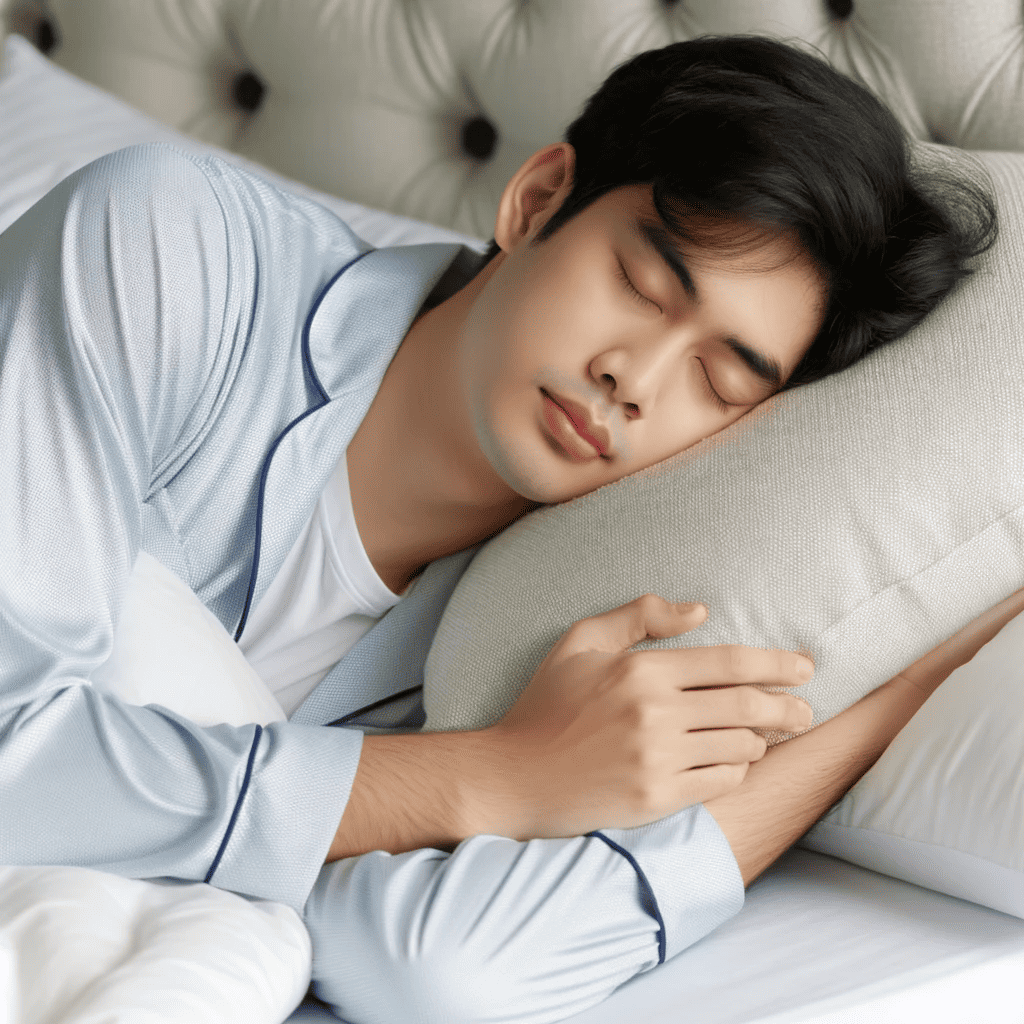
A mattress plays a crucial role in supporting proper spinal alignment during sleep. It should conform to the body’s natural curves while maintaining neutral alignment of the spine.
A supportive mattress helps distribute body weight evenly across different pressure points like hips, shoulders, and lower back. This reduces strain on specific areas and prevents misalignment that could lead to discomfort or exacerbate osteoporotic conditions.
Features to Look For, Such as Zoned Support or Targeted Pressure Relief
When choosing a mattress for osteoporosis, it is important to consider features that enhance support and promote spinal alignment. Look for mattresses with zoned support technology, which provides different firmness levels in specific areas of the mattress to accommodate various body parts.
This helps align the spine correctly and alleviate pressure points. Another beneficial feature is targeted pressure relief, often found in memory foam mattresses.
These mattresses contour to the body’s shape, distributing weight evenly and reducing pressure on sensitive areas. By selecting a mattress with appropriate support features, individuals with osteoporosis can improve their sleep quality and overall comfort.
Pressure Relief: Addressing the Need to Alleviate Pressure Points
Memory Foam Mattresses and Their Ability to Distribute Weight Evenly
Memory foam mattresses are renowned for their ability to provide exceptional pressure relief by contouring to the body’s shape. The viscoelastic properties of memory foam allow it to respond specifically to an individual’s body heat, creating a customized fit that distributes weight evenly across the surface. This reduces stress on pressure points, allowing individuals with osteoporosis to experience enhanced comfort during sleep.
Hybrid Mattresses Combining Memory Foam with Pocketed Coils
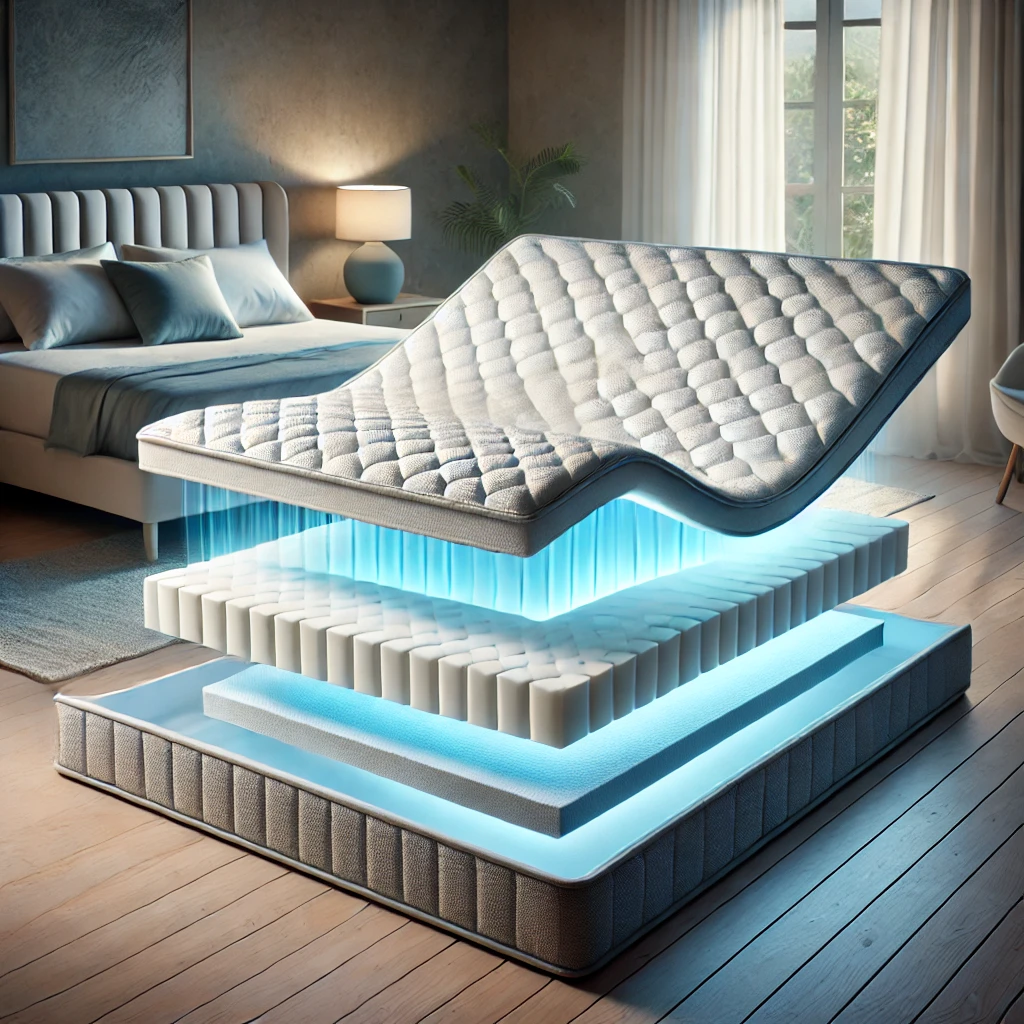
Hybrid mattresses combine memory foam layers with pocketed coil systems to offer a balance of comfort and support. The memory foam contours gently while the pocketed coils provide targeted support where it is needed most. The combination of these materials ensures optimal pressure relief while maintaining proper spinal alignment during sleep.
Hybrid mattresses can be an excellent option for individuals with osteoporosis seeking both comfort and stability in their sleeping surface. Note: The text provided is only a sample response based on your outline requirements; additional content may be necessary or desirable when writing a full article or blog post on this topic.
Memory Foam Mattresses:
Sleeping on Clouds: The Benefits of Memory Foam Mattresses
Memory foam mattresses offer several benefits for individuals with osteoporosis. Firstly, their contouring ability adapts to the body’s shape, providing customized support and relieving pressure points. This is crucial for preventing discomfort and pain in individuals with fragile bones.
Additionally, memory foam mattresses excel in motion isolation, meaning that movements made by one person on the mattress are less likely to disturb their partner’s sleep. This is especially relevant for those with osteoporosis who may experience increased sensitivity and require an undisturbed sleep environment.
Stay Cool and Comfortable: Temperature Regulation in Memory Foam Mattresses
Memory foam mattresses often incorporate temperature regulation features to enhance sleep comfort. Some models use gel-infused memory foam or open-cell technology that facilitates better airflow through the mattress, preventing heat buildup during the night.
These cooling properties can help alleviate discomfort caused by hot flashes or night sweats commonly experienced by individuals with osteoporosis due to hormonal changes or medication side effects. By promoting a cooler sleeping environment, memory foam mattresses contribute to a more restful and rejuvenating sleep experience for individuals managing osteoporosis.
Latex Mattresses:

Natural vs Synthetic Latex: Making the Right Choice
When it comes to latex mattresses, there are two main types: natural latex and synthetic latex. Natural latex is derived from rubber tree sap while synthetic latex is created through chemical processes using petroleum-based materials.
While both options provide excellent support and conforming capabilities, natural latex is often preferred due to its eco-friendly nature and superior durability. It also tends to have better breathability compared to synthetic alternatives.
Breathability, Hypoallergenic Properties, and Durability of Latex Mattresses
Latex mattresses are known for their breathability, allowing air to circulate freely through the material. This ventilation enhances temperature regulation, preventing heat buildup and promoting a cool sleep surface.
Additionally, latex is naturally hypoallergenic, resisting dust mites, mold, and other allergens. This is especially beneficial for individuals with osteoporosis who often have compromised immune systems.
Furthermore, latex mattresses exhibit impressive durability, maintaining their shape and supportiveness over many years. Their resilience makes them an excellent long-term investment for individuals seeking lasting comfort and reliability.
Innerspring Mattresses:
A Classic Choice: The Benefits of Innerspring Mattresses
Innerspring mattresses have been a popular choice for decades due to their bouncy feel and strong support. For individuals with osteoporosis, innerspring mattresses can offer a firmer sleeping surface that promotes proper spinal alignment. The coil system within these mattresses helps distribute body weight evenly across the bed while providing ample support to prevent pressure points from forming.
Conclusion
When considering the best mattress for osteoporosis patients, options like memory foam, latex, and innerspring mattresses all offer unique benefits. Memory foam excels in contouring capabilities and motion isolation while incorporating temperature regulation features to enhance comfort.
Latex mattresses provide breathability, hypoallergenic properties, and exceptional durability that make them an attractive choice for longevity. Innerspring mattresses offer firm support and proper spinal alignment through their coil systems.
Ultimately, finding the perfect mattress involves considering individual preferences alongside the specific needs associated with managing osteoporosis. With careful consideration of these options’ pros and cons based on personal requirements and sleep preferences, individuals with osteoporosis can achieve a comfortable sleep environment that promotes optimal rest and overall well-being.