Breathing Easy: The Ultimate Guide to Natural Mattresses for Allergy Relief
Introduction
The Significance of Natural Mattresses for Allergy Sufferers
Choosing hypoallergenic natural mattresses is crucial for those prone to allergies, as conventional mattresses can harbor dust mites, mold, and harmful chemicals that exacerbate allergy symptoms. The impact of a mattress on allergies goes beyond mere comfort; it directly influences the quality of sleep and overall health. By opting for natural materials like organic cotton, wool, and latex in a mattress, individuals can create a safer sleep environment that minimizes exposure to allergens.
Alleviating Allergies and Enhancing Sleep Quality with Natural Materials
Natural materials in hypoallergenic natural mattresses possess unique properties that actively combat common allergens. Organic cotton is a breathable barrier against dust mites, while wool’s moisture-wicking abilities discourage mold growth.
Additionally, latex provides a resilient and hypoallergenic support system that can alleviate pressure points and promote better spinal alignment during sleep. By incorporating these materials into mattresses designed for allergy sufferers, individuals can experience improved sleep quality by reducing allergic reactions and fostering a healthier sleeping environment.
Hypoallergenic Properties of Natural Materials
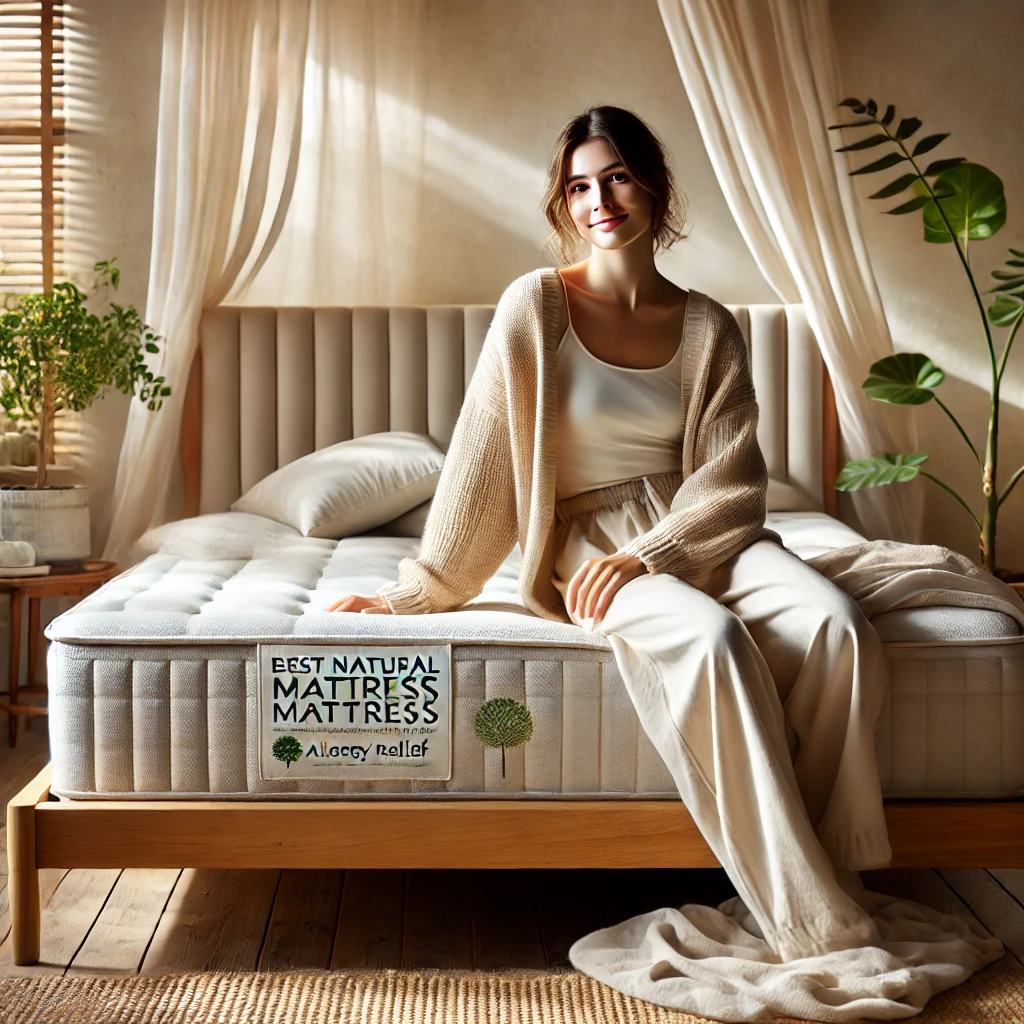
Organic cotton, wool, and latex possess hypoallergenic properties, making them ideal components. These materials are less likely to trigger allergic reactions compared to synthetic alternatives. Organic cotton is grown without pesticides or other harmful chemicals, reducing the risk of skin irritations or respiratory issues for allergy sufferers.
Wool is naturally resistant to dust mites and mold, providing a clean and safe sleeping environment conducive to better health. Latex, derived from rubber trees, is hypoallergenic and antimicrobial, making it a suitable choice for those with allergies.
Absence of Harmful Chemicals in Conventional Mattresses
Conventional mattresses often contain harmful chemicals and toxins that can exacerbate allergies in sensitive individuals. Switching to eliminates exposure to these potentially harmful substances. Synthetic materials used in traditional mattresses may off-gas volatile organic compounds (VOCs) that can cause respiratory issues or skin sensitivities.
By choosing natural materials like organic cotton, wool, and latex, allergy sufferers can reduce their risk of adverse reactions and enjoy a healthier sleep environment. Opting for mattresses made from natural fibers also minimizes the environmental impact of production and supports sustainable practices in the bedding industry.
Avocado Green Mattress
Avocado Green Mattress features organic cotton, wool, and latex to create a hypoallergenic sleep surface. The use of GOTS and GOLS-certified materials ensures purity and sustainability in the construction of this mattress. The organic cotton cover provides a soft, breathable surface that is gentle on sensitive skin, reducing the risk of allergic reactions.
Moreover, the wool layer acts as a natural flame retardant without the need for harmful chemicals commonly found in conventional mattresses. By incorporating natural latex from rubber trees, Avocado Green Mattress offers a supportive yet responsive feel that contours your body while resisting dust mites and mold growth.
PlushBeds Botanical Bliss Mattress
Constructed with organic latex layers, the PlushBeds Botanical Bliss Mattress provides a resilient and durable sleeping surface inherently resistant to dust mites and mold. This feature makes it ideal for allergy sufferers seeking relief from common triggers found in traditional mattresses. Additionally, the mattress offers customizable firmness options to cater to individual preferences and sleeping styles.
By allowing users to adjust the firmness level according to their comfort needs, PlushBeds Botanical Bliss Mattress ensures a personalized sleeping experience that promotes restful sleep without compromising support or allergen protection. Combining organic materials and customizable features makes this mattress a versatile option for those seeking hypoallergenic natural mattresses tailored to their requirements.
Creating an Allergy-Safe Sleeping Environment
Utilize Allergen-Proof Mattress Covers
Invest in allergen-proof mattress encasements and pillow covers to form a protective barrier against dust mites and other allergens. These covers act as a shield, preventing microscopic particles from penetrating your mattress and pillows, thus reducing the risk of triggering allergic reactions.
Opt for tightly woven fabric covers with smaller pores than allergens to ensure maximum protection. You create a hygienic sleep sanctuary that promotes better health and quality rest by employing these covers on your hypoallergenic natural mattresses.
Regularly Maintain Your Bedding
Consistent maintenance is crucial for keeping your sleeping environment allergy-free. Regularly vacuum the surface of your mattress using an upholstery attachment to remove dust, dander, and other debris that can accumulate over time. Additionally, wash your bedding – including sheets, pillowcases, and blankets – in hot water weekly to eliminate allergens effectively.
Hot water above 130°F helps kill dust mites and removes pollen or skin cells trapped in the fabrics that could exacerbate allergies. This routine maintenance supports your hypoallergenic natural mattresses and ensures a clean and healthy sleep space conducive to restful nights.
Maintaining Ideal Conditions for Allergy Prevention
Prioritize Bedroom Ventilation
Maintain adequate ventilation in your bedroom to reduce humidity levels that can foster mold growth and aggravate allergies. Proper airflow helps keep moisture at bay, preventing mold spores from thriving in damp environments.
Open windows regularly to allow fresh air circulation, or consider using a dehumidifier to control humidity levels within the recommended range of 30-50%. Good ventilation supports the longevity of your hypoallergenic natural mattresses and creates a comfortable atmosphere that promotes better respiratory health.
Conclusion
A Recap of Allergy-Friendly Slumber
Allergy sufferers can enjoy a restful slumber with hypoallergenic natural mattresses. These mattresses are crafted from organic materials like cotton, wool, and latex to create a haven free from allergens. With brands such as Avocado Green, PlushBeds Botanical Bliss, and Naturepedic EOS offering top-of-the-line options, allergy sufferers can find the perfect match for their needs.
Embrace Comfort and Health with Natural Mattresses
As you embark on your journey to better sleep and improved health, consider investing in a hypoallergenic natural mattress. By choosing these eco-friendly options, you prioritize your well-being and contribute to a sustainable future.
Say goodbye to restless nights plagued by allergies and embrace the comfort and tranquility of sleeping on a mattress designed for your specific needs. Changing to hypoallergenic natural mattresses is not just about creating a cozy bed—it’s about transforming your sleep experience into one that nurtures your body and the environment.
By taking this step towards healthier living, you’re not only investing in yourself but also in a better world where sustainability and well-being go hand in hand. Rest easy knowing your choice today paves the way for brighter mornings and peaceful nights!