Introduction
Your mattress is not just a place to sleep; it is a sanctuary of rejuvenation, providing you with much-needed rest and comfort after a long day. However, over time, mattresses can accumulate dirt, dust mites, allergens, and even unsightly stains. Therefore, it becomes paramount to maintain a clean and stain-free sleeping surface for both hygiene and aesthetic purposes.
The Importance of Maintaining a Clean and Stain-Free Mattress
A clean mattress is not merely an aesthetic concern but also plays a significant role in maintaining good health. Considering that we spend about one-third of our lives in bed, it’s crucial to create an environment that promotes cleanliness and hygiene.
Regular cleaning helps eliminate allergens such as dust mites, dead skin cells, and pet dander that can trigger allergies or asthma symptoms. Moreover, stains on your mattress not only look unsightly but can also lead to the growth of mold and mildew if left untreated.
These fungi thrive in damp environments and can cause respiratory issues or worsen existing conditions. By keeping your mattress clean and stain-free, you ensure better air quality in your bedroom environment.
The Benefits of Regular Mattress Cleaning

Regular cleaning of your mattress brings forth numerous benefits beyond health considerations alone. When you invest time in maintaining the cleanliness of your mattress, you contribute directly to its longevity.
A well-maintained mattress can last longer than one that is neglected or improperly cared for. In addition to prolonging its lifespan, regular cleaning also helps preserve the performance qualities of your mattress.
Over time, debris buildup may affect its ability to provide optimal support and comfort. By removing dirt particles through regular vacuuming or cleaning techniques as needed, you ensure the optimal functionality of your sleep surface.
Overview of the Cleaning Process
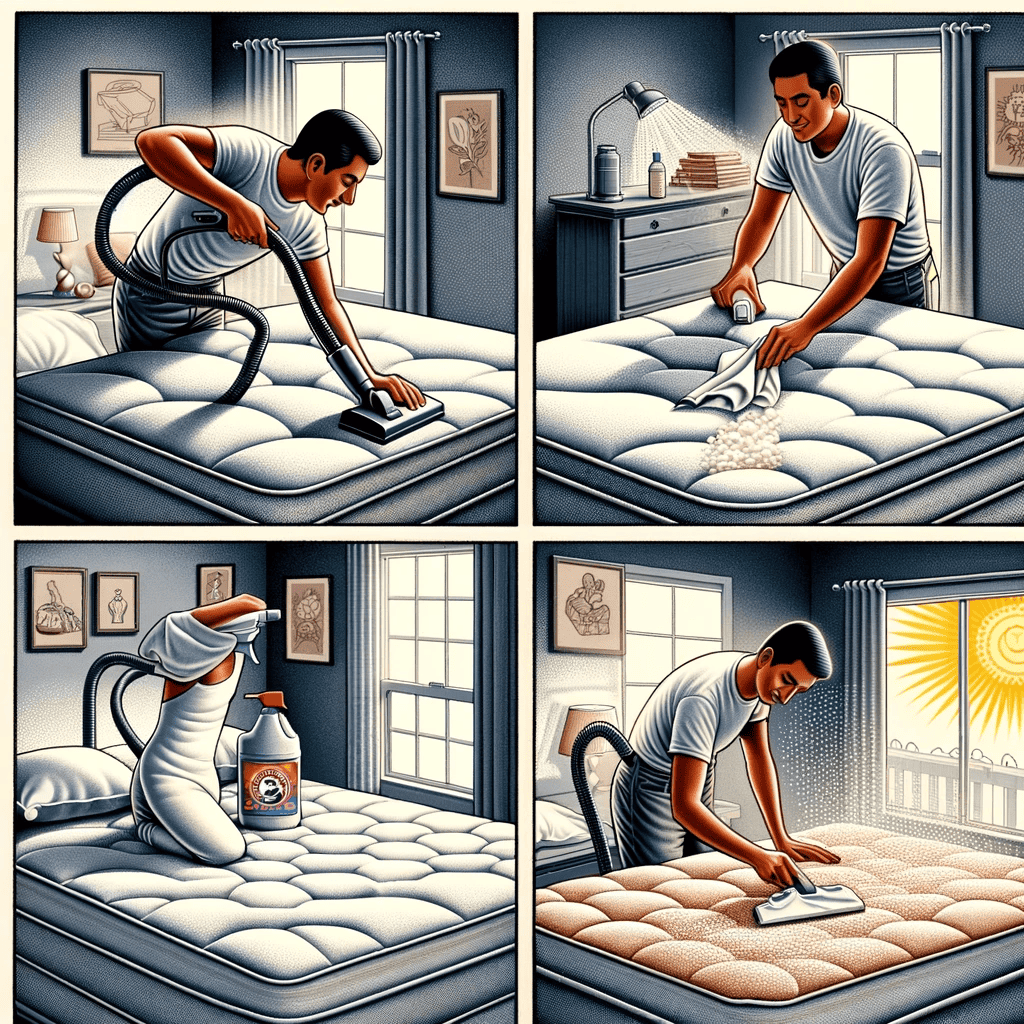
The process of cleaning and removing stains from a mattress may seem daunting, but with proper guidance, it can be manageable. Before delving into specific stain removal techniques, it is essential to familiarize yourself with the general cleaning process. Firstly, gathering the necessary supplies and tools is crucial.
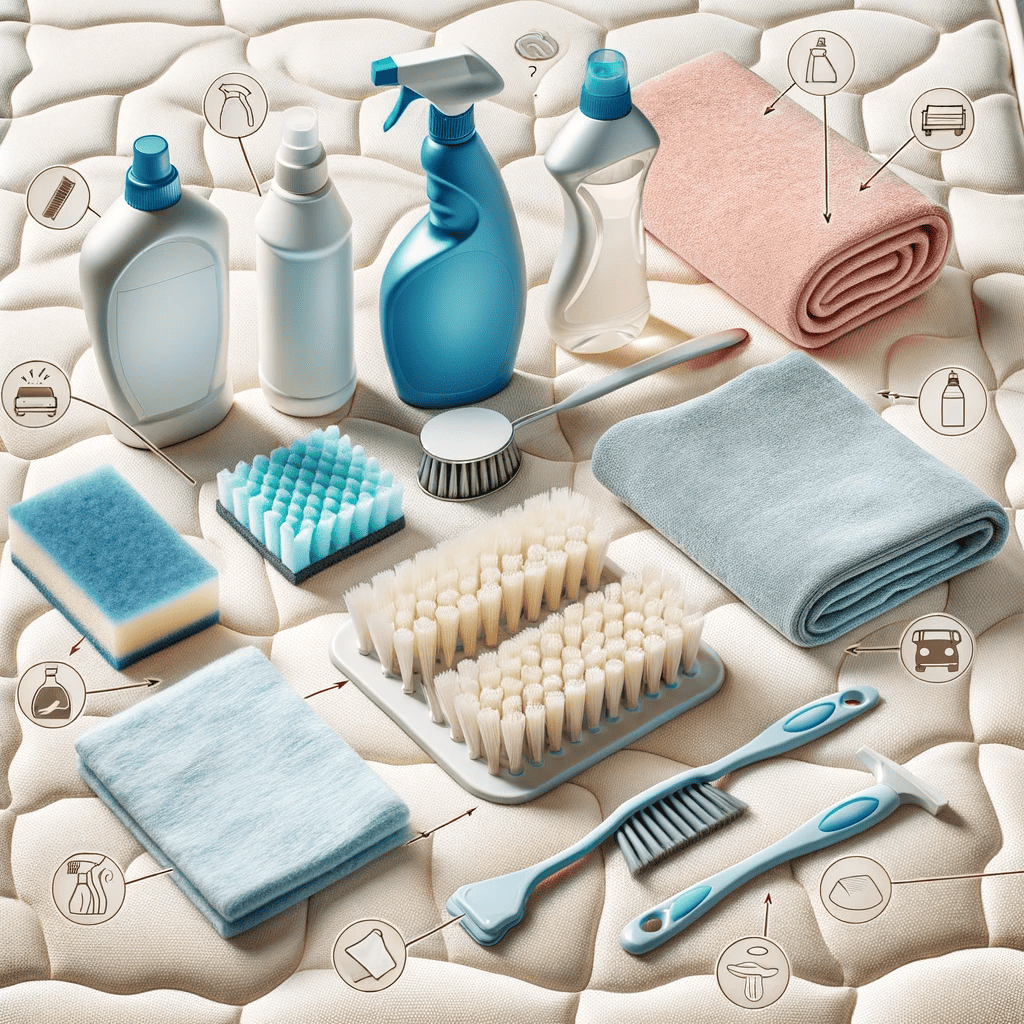
This includes a vacuum cleaner with an upholstery attachment to remove loose dirt and debris. Additionally, having baking soda or enzyme-based cleaner, clean white cloth or sponge, mild detergent or stain remover (if required), and a spray bottle filled with water will aid in effectively cleaning your mattress.
Once you have assembled your supplies, you will begin by vacuuming the surface of your mattress thoroughly. This step helps eliminate any loose dirt or dust that may be present on the surface.
After vacuuming, you can move on to treating specific stains using appropriate techniques based on their nature. Different types of stains require different approaches for effective removal.
Urine stains call for blotting excess liquid and applying baking soda to absorb odor, while blood stains necessitate gentle blotting followed by treatment with mild detergent mixed with cold water. Maintaining a clean and stain-free mattress is vital not only for hygiene purposes but also for extending its lifespan.
Regular cleaning not only eliminates allergens but also preserves its performance qualities. By familiarizing yourself with the basic cleaning process outlined above, you are well-equipped to embark on a journey towards achieving a clean and pristine sleeping sanctuary.
Gathering necessary supplies and tools
The key to successful mattress cleaning is being prepared with the right supplies and tools.
To begin, you’ll need a reliable vacuum cleaner equipped with an upholstery attachment. This attachment is essential for effectively removing dirt, dust, and allergens from the surface of your mattress. Make sure the vacuum cleaner is in good working condition and has a strong suction power to ensure thorough cleaning.
Next, consider using baking soda or an enzyme-based cleaner as a primary cleaning agent. Baking soda is a natural deodorizer that can help eliminate any unpleasant odors trapped in your mattress.
On the other hand, enzyme-based cleaners contain special enzymes that break down organic stains like urine or sweat effectively. A clean white cloth or sponge will come in handy during the cleaning process.
They are gentle on the fabric of your mattress while allowing you to apply cleaning solutions efficiently. Opt for white cloth or sponge to avoid any potential transfer of dyes onto your mattress.
While optional, having mild detergent or stain remover on hand can be beneficial for tackling stubborn stains. Choose a mild detergent specifically formulated for delicate fabrics and follow instructions carefully to prevent discoloration or damage to your mattress.
Keep a spray bottle filled with water nearby as it will facilitate dampening stains before treatment and rinsing off excess residue during the cleaning process. Having these supplies readily available ensures that you’ll have everything at your fingertips when it’s time to clean and remove stains from your beloved mattress.
Vacuum cleaner with upholstery attachment
An indispensable tool for efficient and effective mattress cleaning.
When it comes to maintaining a clean and healthy sleeping environment, investing in a quality vacuum cleaner with an upholstery attachment is paramount. The upholstery attachment enables you to reach all areas of the mattress comfortably without causing any damage or disruption to its structure.
Start by removing any bed linens, pillows, or other items from the mattress before proceeding. Once the mattress is bare, attach the upholstery tool securely to your vacuum cleaner.
Ensure that it fits snugly and won’t come loose during use. Begin vacuuming your mattress by starting at one corner and working your way systematically across the entire surface.
Pay extra attention to seams, crevices, and corners where dirt and dust tend to accumulate. Use back-and-forth motions, applying gentle pressure to ensure thorough cleaning.
Take your time when vacuuming to ensure optimal results. Move slowly and deliberately over each section, allowing the vacuum cleaner’s suction power to lift away trapped debris effectively.
By using a vacuum cleaner with an upholstery attachment, you’ll remove allergens such as dust mites and their waste products while refreshing your mattress’s surface. This step is crucial for maintaining a clean sleeping environment free of microscopic particles that can cause allergies or respiratory issues.
Vacuuming the Mattress Surface
Removing loose dirt, dust, and debris
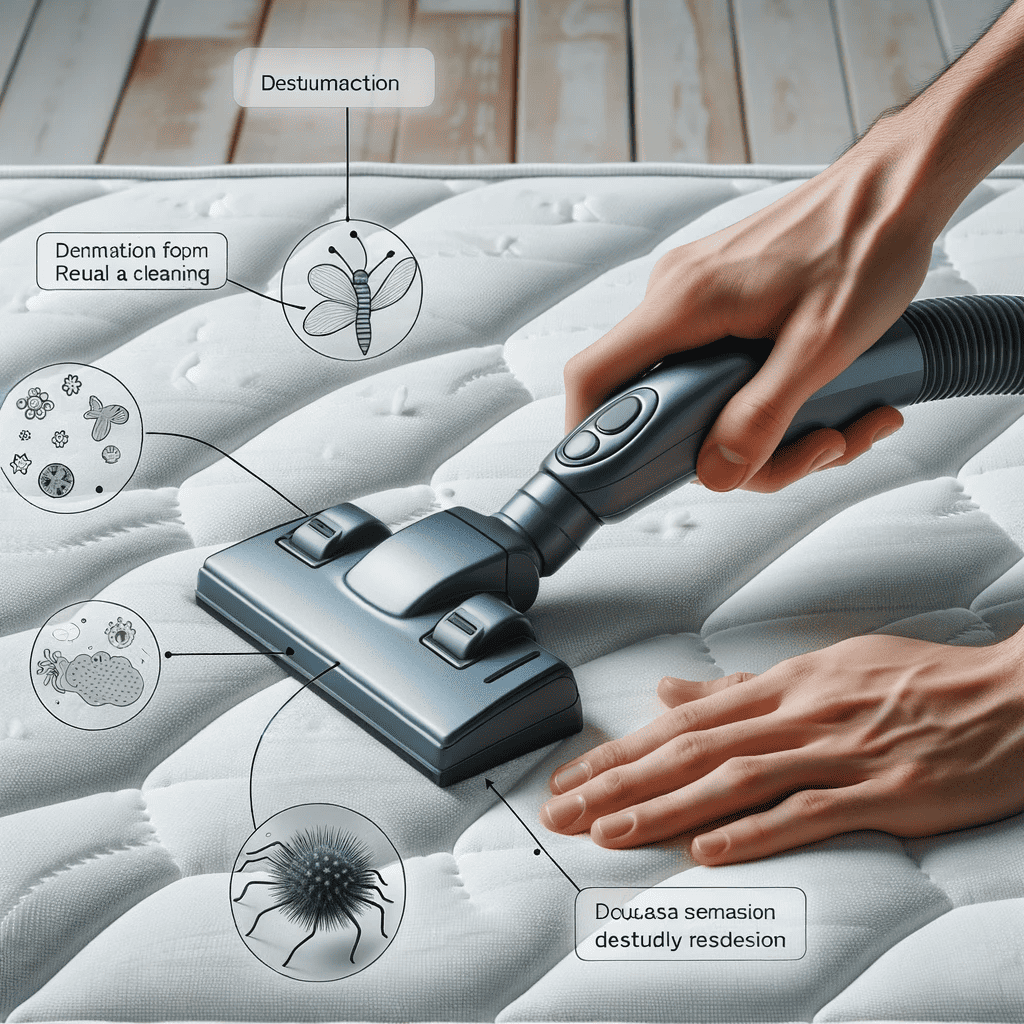
When it comes to maintaining a clean and hygienic mattress, the first step is to thoroughly vacuum the surface. Using a vacuum cleaner with an upholstery attachment is essential as it allows you to effectively remove loose dirt, dust, and debris that accumulate over time. Start by removing any bedding or covers from the mattress to expose its surface fully.
Begin at one end of the mattress and slowly move the upholstery attachment in long, overlapping strokes. Apply gentle pressure to ensure optimal suction power without damaging the fabric.
Work systematically from top to bottom, covering every inch of the mattress’s surface. Take your time in areas where dirt tends to accumulate more, such as near the headboard or footboard.
Using the upholstery attachment to reach all areas of the mattress
To achieve a thorough cleaning, make sure you use the upholstery attachment on your vacuum cleaner effectively. This attachment is specifically designed with soft bristles or fabric strips that aid in agitating and dislodging particles from the mattress’s surface. While vacuuming, pay close attention to different zones of your mattress.
Move along seams where dust mites can gather and multiply if not properly addressed. The upholstery attachment should be able to reach crevices as well as tight corners—these areas are often neglected but can harbor significant amounts of dirt and debris if left unattended.
Remember that consistent pressure is key; too much force may cause damage to delicate fabrics or stitching while too little might leave behind ingrained particles. By exercising patience and moving methodically throughout each section of your mattress, you will effectively remove dirt while ensuring longevity for your bed.
With your vacuuming process complete, you have successfully eliminated a significant amount of loose dirt and debris from your mattress’s surface. Proceeding with subsequent steps will allow you to tackle any stains or odors that may have persisted.
Treating Stains on the Mattress
Identifying different types of stains (e.g., urine, blood, sweat)
When it comes to treating stains on your mattress, it is crucial to identify the type of stain in order to choose the appropriate cleaning method. Among the most common stains are those caused by urine, blood, and sweat.
Urine stains can be quite unpleasant and stubborn, while bloodstains require prompt attention due to their tendency to set quickly. Sweat stains may not be as noticeable initially but can accumulate over time if not addressed promptly.
Applying appropriate stain removal techniques for each type
1. Urine stains: The first step in treating a urine stain is blotting excess liquid with a clean cloth or paper towel. This helps prevent further absorption into the mattress.
Next, sprinkle baking soda generously over the affected area; baking soda works wonders in absorbing odor. Then, create a paste using water and baking soda and apply it to the stain directly.
Leave this paste on for several hours before vacuuming it off thoroughly. If necessary, consider using an enzyme-based cleaner formulated specifically for removing urine stains from mattresses.
Follow product instructions carefully for optimal results.
2. Blood stains: When dealing with bloodstains on your mattress, it is essential to act swiftly but gently since hot water can set these stains permanently.
Start by gently blotting excess blood with a clean cloth dampened in cold water; avoid rubbing or scrubbing vigorously as this may spread the stain further. Next, mix mild detergent with cold water and apply this solution onto the stained area using a sponge or cloth.
Blot repeatedly until you see progress in removing the stain. Afterward, use a clean cloth dampened with cold water to continue blotting until no more detergent residue remains.
Conclusion
Cleaning and removing stains from mattresses not only ensures a fresh and hygienic sleeping environment but also prolongs the lifespan of your mattress.
By promptly addressing different types of stains, such as urine, blood, and sweat, you can effectively maintain the cleanliness and integrity of your mattress. Remember to always blot excess liquid or debris before applying any cleaning solutions or techniques.
Regular vacuuming and occasional deep cleaning will help keep your mattress in top condition for restful nights of sleep. Take good care of your mattress, and it will take care of you in return, providing a cozy sanctuary where you can indulge in rejuvenating slumber.


