
Introduction
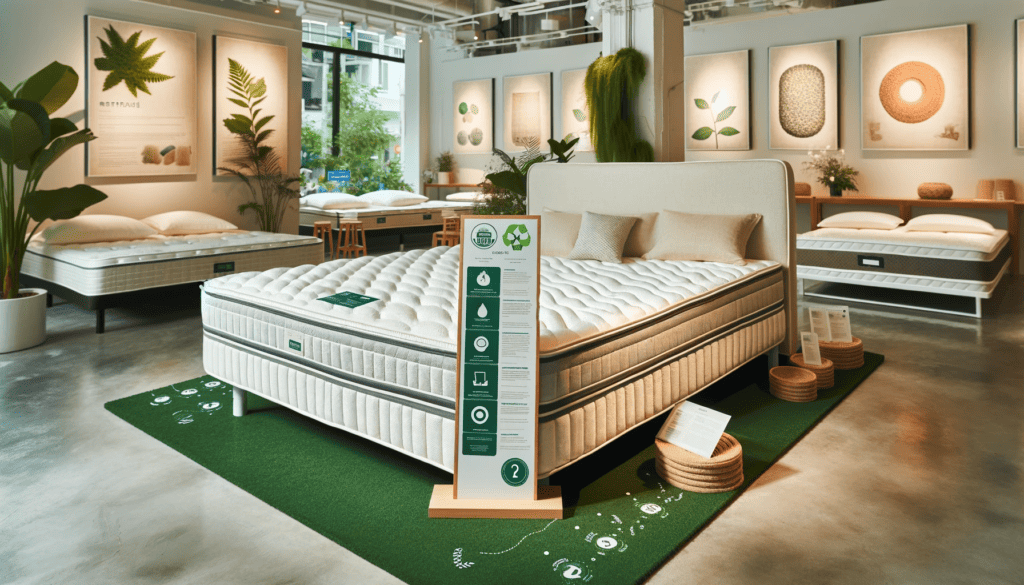
Definition: Sustainability and eco-friendliness in mattresses refer to using materials and manufacturing processes that minimize negative impacts on the environment while promoting long-term ecological balance.
Importance: Choosing sustainable and eco-friendly mattress options is crucial for several reasons.
Firstly, it helps protect the environment by reducing pollution, conserving resources, and minimizing waste. Additionally, these mattresses prioritize healthier sleep environments by using non-toxic materials free from harmful chemicals, ensuring better air quality for individuals.
Moreover, sustainable mattresses often promote fair-trade practices, ensuring workers’ well-being throughout the supply chain. Opting for eco-friendly mattress options encourages responsible consumer choices and supports companies committed to social and environmental responsibility.
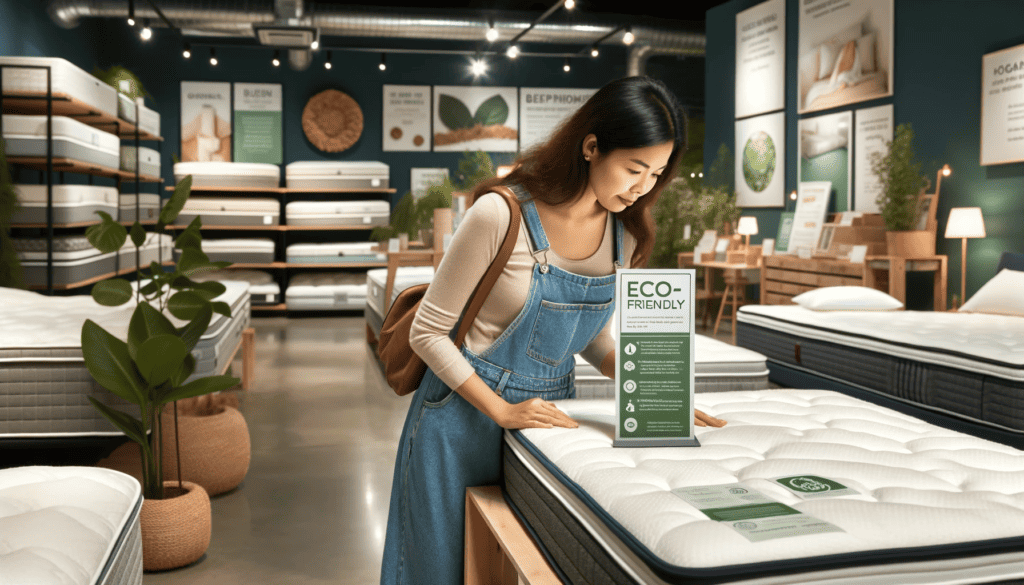
The Benefits of Organic Cotton: Organic cotton offers numerous benefits as a sustainable mattress material.
It is free from pesticides, making it a healthier and safer choice for both the environment and consumers. Its breathability ensures proper air circulation, keeping sleepers cool and comfortable throughout the night.
The softness of organic cotton provides a luxurious feel, enhancing overall sleep quality. Moreover, organic cotton exhibits excellent durability, ensuring a long lifespan for mattresses made with this material.
The cultivation process of organic cotton involves employing organic farming methods to minimize environmental impact. These methods exclude synthetic fertilizers, genetically modified organisms (GMOs), and harmful pesticides.
Instead, farmers rely on natural alternatives like compost and beneficial insects to maintain soil fertility and control pests. Additionally, organic cotton farming practices prioritize reduced water usage through efficient irrigation techniques and rainwater harvesting systems.
This approach conserves water resources in regions heavily affected by water scarcity or drought conditions. Conservation techniques such as crop rotation are also implemented to prevent erosion and maintain long-term soil health.
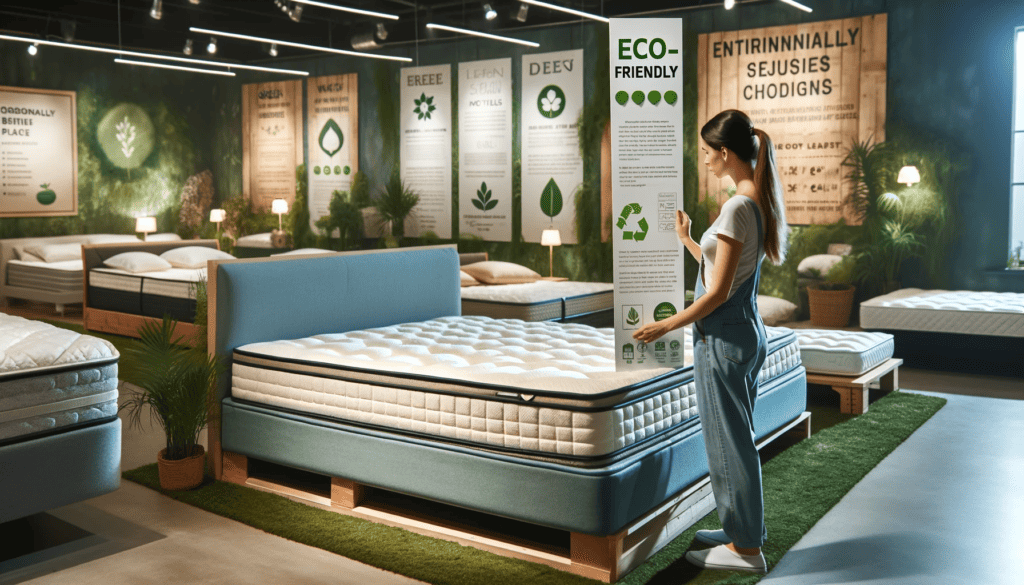
Natural Latex: A Sustainable Choice: Derived from rubber tree sap, natural latex is an eco-friendly material with exceptional qualities suitable for mattresses. One of its notable benefits is its hypoallergenic nature, making it ideal for individuals prone to allergies or sensitivities.
Natural latex provides excellent support by conforming to the body’s contours while maintaining sufficient firmness to promote proper spinal alignment during sleep. Its resilience ensures mattresses retain shape over time without sagging or forming uncomfortable body impressions.The harvesting process of natural latex focuses on sustainable tapping methods that preserve the health of rubber trees. These trees are not harmed during extraction; only a small amount of their sap is collected periodically using carefully designed systems that allow them to grow undisturbed.
This sustainable approach ensures the longevity of rubber tree plantations while supporting local communities that depend on latex production. Natural latex mattresses are often manufactured with other environmentally friendly materials, such as organic cotton covers and natural fiber-based fire barriers, further enhancing their overall sustainability.
Niche Subtopics on Sustainable Mattresses:
Recycled Materials: Use of recycled steel coils or springs in mattress construction. This sustainable practice reduces the demand for new metal extraction and minimizes environmental impact. Manufacturers source discarded steel from various industries, such as automotive or construction, and repurpose it for mattress components.
By utilizing recycled steel coils or springs, these mattresses provide excellent support while reducing waste and conserving resources—repurposing materials like foam or fabric scraps to reduce waste.
Manufacturers repurpose foam or fabric scraps that would otherwise end up in landfills to minimize waste. These scraps are incorporated into the mattress layers, adding comfort and reducing environmental impact.
The process involves transforming these remnants into usable forms through compression or shredding techniques. By implementing this recycling approach, sustainable mattresses promote a circular economy by closing the loop on material usage.
Biodegradable Mattresses: Introduction to biodegradable materials like natural fibers or plant-based foams. Biodegradable mattresses incorporate materials that can naturally break down over time without causing harm to the environment.
Natural fibers such as organic cotton, wool, or bamboo are commonly used in mattress covers and comfort layers.
These fibers are grown without harmful pesticides and offer breathability alongside comfort. Plant-based foams from renewable resources like soybeans or natural oils provide an eco-friendly alternative to traditional petroleum-based foams.
These sustainable foam options possess properties of durability and supportiveness similar to conventional foams but with reduced environmental impact. Decomposition process and environmental impact.
Biodegradable mattresses decompose when disposed of properly at the end of their lifespan. Natural fibers and plant-based foams break down naturally over time without releasing harmful environmental toxins.
This decomposition minimizes landfill waste accumulation while promoting sustainability. Additionally, biodegradable mattresses contribute less to greenhouse gas emissions than those made from synthetic materials.
Rarely Known Small Details about Sustainable Mattress Options:
Certifications and Standards: Introduction to certifications like GOTS (Global Organic Textile Standard) or GOLS (Global Organic Latex Standard). These certifications ensure sustainability claims are legitimate. They set strict criteria for materials, manufacturing processes, and social responsibility.
Certified products meet stringent guidelines for organic content and ecological impact. GOTS certification guarantees that textiles used in the mattress are made from at least 95% organic fibers.
It also ensures responsible manufacturing practices throughout the supply chain, including fair labor conditions. GOLS certification focuses specifically on latex mattresses, guaranteeing that 95% of the latex is sourced from organic origins.
Energy-Efficient Manufacturing Processes: Using renewable energy sources during production stages reduces reliance on fossil fuels. Manufacturers minimize their environmental impact by harnessing solar, wind, or hydroelectric power.
Energy-efficient manufacturing methods prioritize using electricity over non-renewable energy sources wherever possible. Efficient lighting systems and equipment reduce energy consumption in factories.
Optimizing production workflows minimizes wasted resources and energy expenditure throughout the mattress-making process. Companies adopt efficient transportation methods such as consolidating shipments or utilizing electric vehicles for delivery to reduce carbon footprint further.
Conclusion:
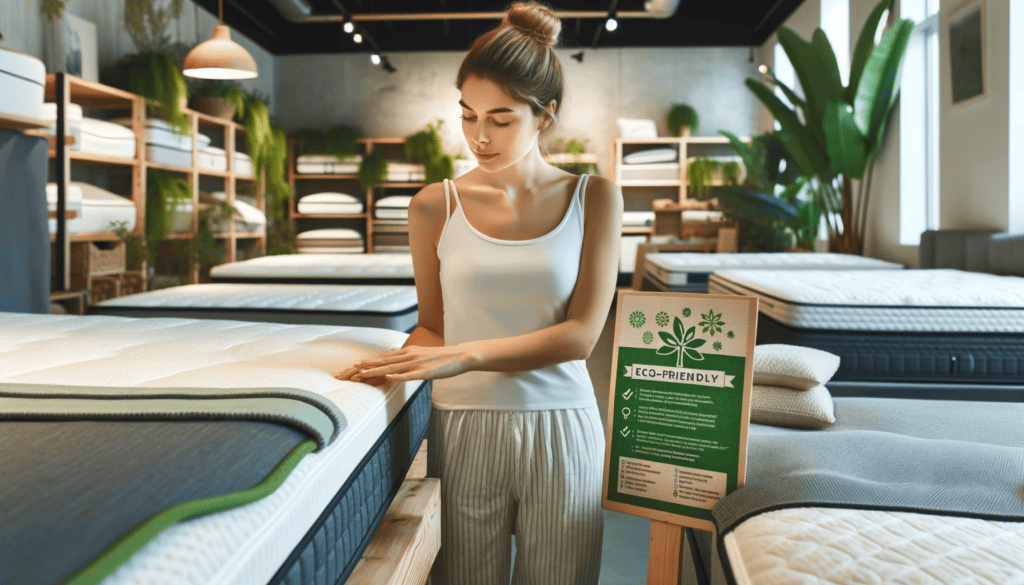
Reiteration: Choosing sustainable and eco-friendly mattress options benefits personal health and environmental well-being. These choices contribute to reducing the carbon footprint, minimizing exposure to harmful chemicals, and supporting sustainable practices. Sustainable mattresses promote personal health by minimizing exposure to toxins and allergens.
Organic cotton, for example, is free from pesticides and herbicides commonly used in conventional cotton production. By opting for mattresses made with organic cotton, individuals can sleep on a surface free from harmful chemicals that may cause skin irritation or respiratory issues.
Natural latex is another excellent choice, as it is hypoallergenic and resistant to dust mites. It provides a healthier sleep environment for those with allergies or sensitivities. In addition to personal health benefits, choosing sustainable mattresses supports environmental well-being.
Mattresses made from recycled materials help reduce waste by repurposing resources that would otherwise end up in landfills. By selecting these options, consumers contribute to conserving natural resources like metal or foam while reducing their ecological footprint.
Furthermore, biodegradable mattresses made from natural fibers or plant-based foams offer an environmentally friendly alternative as they decompose more easily than traditional synthetic materials. Making conscious decisions regarding mattress choices positively impacts personal health and creates a more sustainable future for our planet.
By considering the materials used in mattress construction and opting for eco-friendly ones, individuals can significantly reduce their environmental impact while enjoying a restful night’s sleep. Choosing sustainability is an investment in our well-being and the welfare of future generations. This small change can make a big difference in creating a healthier world for all of us.


