Introduction:
Sciatica Defined: – Sciatica is a condition characterized by pain that radiates along the path of the sciatic nerve, usually from the lower back through the hips and down each leg. – Causes of Sciatica:
– Herniated or slipped discs pressing on the nerve – Spinal stenosis, which narrows the spinal canal and compresses the nerves
– Degenerative disc disease causing structural changes in the spine – Piriformis syndrome, wherein the piriformis muscle irritates or compresses the sciatic nerve
Importance of Choosing a Suitable Mattress: – The right mattress can significantly alleviate sciatica symptoms by providing proper support and reducing pressure on affected areas.
– A well-selected mattress can promote spinal alignment and relieve tension in muscles surrounding the spine, helping to minimize discomfort. Overview of Different Mattress Types:
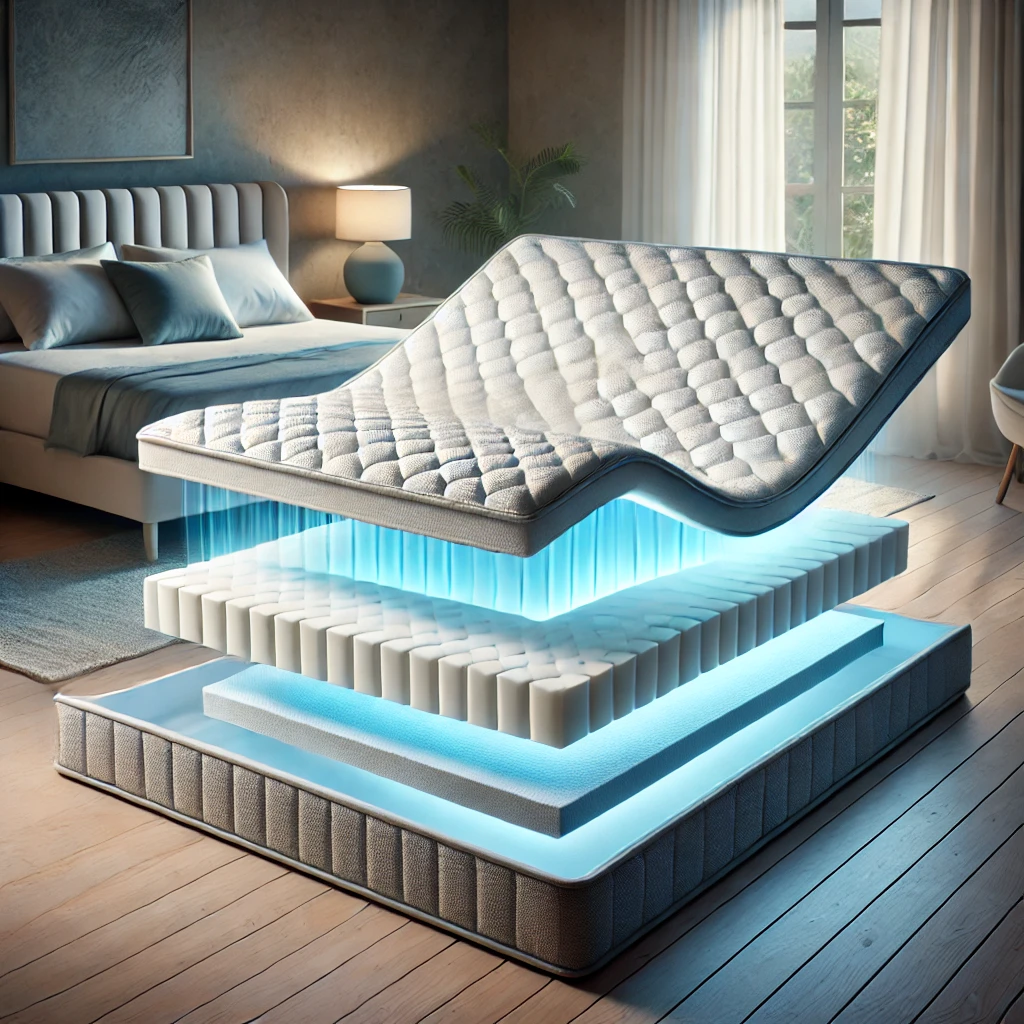
1. Memory Foam Mattresses: – Memory foam mattresses conform closely to body contours, relieving pressure points and promoting proper spinal alignment.
– However, some individuals with sciatica may find memory foam too soft or lacking adequate support for their specific needs. 2. Innerspring Mattresses:
– Innerspring mattresses offer varying firmness levels and typically feature a coil support system designed for even weight distribution. – But for those with sciatica, they may not provide sufficient contouring or pressure relief required to alleviate pain effectively.
Memory Foam Mattresses
The Contouring Nature of Memory Foam
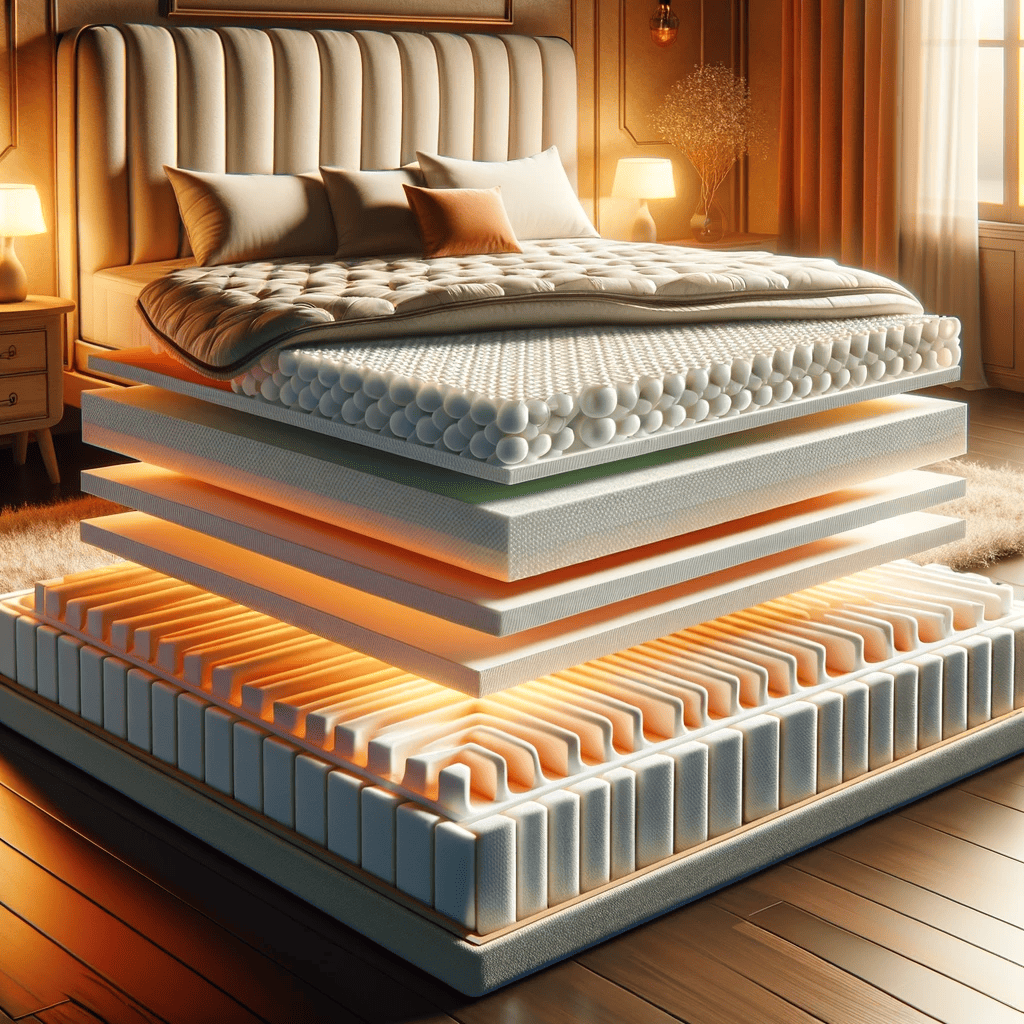
Memory foam mattresses excel in contouring to the body’s shape, providing excellent pressure relief for sciatica sufferers. The material is designed to respond to heat and pressure, allowing it to mold and conform closely to the curves of the body.
This contouring property helps distribute weight evenly, reducing pressure points and alleviating discomfort caused by sciatic nerve compression. By cushioning the body’s natural curves, memory foam can provide targeted support to specific pain points associated with sciatica.
Potential Drawbacks for Sciatica Sufferers
While memory foam offers notable benefits, there are some potential drawbacks that sciatica sufferers should consider. One concern is sinking too deeply into the mattress. Memory foam tends to have a slower response time than other mattress materials, meaning it may take time for the foam to regain its original shape after being compressed.
This slow response can cause individuals with sciatica to sink too deeply into the mattress, potentially exacerbating their discomfort or hindering movement. Another drawback is related to support for proper spinal alignment.
Memory foam mattresses vary in terms of firmness levels and may not always provide adequate support for maintaining a neutral spinal position during sleep. It is crucial for individuals with sciatica to ensure that their chosen memory foam mattress offers sufficient support in order to prevent further aggravation of their condition and promote spinal alignment throughout the night.
Innerspring Mattresses
Firmness Levels and Support Systems
Innerspring mattresses come in a range of firmness levels, from soft to extra firm. The firmness is determined by the gauge of the coils used in the mattress. Lower gauge coils indicate a firmer mattress, while higher gauge coils result in a softer feel.
These mattresses typically have a support system consisting of steel coils that provide structure and stability. The number of coils in an innerspring mattress affects its support level, with more coils generally indicating better support.
Potential Issues with Pressure Relief and Contouring
While innerspring mattresses offer good support, they may fall short when it comes to providing adequate pressure relief and contouring for sciatica pain points. The coil-based design does not conform closely to the body’s shape or distribute weight evenly, which can create pressure points that exacerbate sciatic nerve pain.
Additionally, the lack of contouring means that certain areas, such as the lower back and hips, may not receive enough cushioning or proper alignment, leading to discomfort for those with sciatica. It’s important to note that individual experiences may vary depending on personal preference and severity of sciatica symptoms.
However, if pressure relief and precise contouring are crucial for your sciatic pain management, an innerspring mattress might not be the ideal choice. It is recommended to explore other mattress types that offer better pressure distribution and targeted support for alleviating sciatic nerve pain effectively.
Latex Mattresses

Explanation of latex’s natural elasticity, durability, and hypoallergenic properties: Latex mattresses possess natural elasticity, which allows them to respond to the body’s contours and provide support. The material is derived from the sap of rubber trees and is known for its exceptional durability, often lasting longer than other mattress types.
Additionally, latex has hypoallergenic properties that make it resistant to dust mites and mold, creating a healthier sleeping environment for those with allergies. Potential concerns with latex mattresses being too firm or lacking sufficient conformability for sciatica-related discomfort:
However, for individuals suffering from sciatica-related discomfort, there are potential concerns with latex mattresses. One issue is that some people may find latex mattresses to be too firm.
While firmness can be beneficial for proper spinal alignment in general, it may not provide adequate pressure relief specifically targeted towards relieving sciatic pain points. Another concern is the lack of conformability in some latex mattresses.
Since sciatica pain often radiates along the lower back and legs, proper contouring can help alleviate pressure on these areas. If a latex mattress lacks sufficient conformability or fails to distribute weight evenly across the body contours, it may not effectively relieve sciatic discomfort.
While latex mattresses offer benefits such as natural elasticity, durability, and hypoallergenic properties, they may not be the most suitable option for individuals dealing with sciatica-related discomfort due to potential issues with firmness and lack of conformability. It is important for those considering a latex mattress to carefully assess their personal preferences and consult with healthcare professionals if needed before making a final decision.
Hybrid Mattresses
Combining Comfort and Support
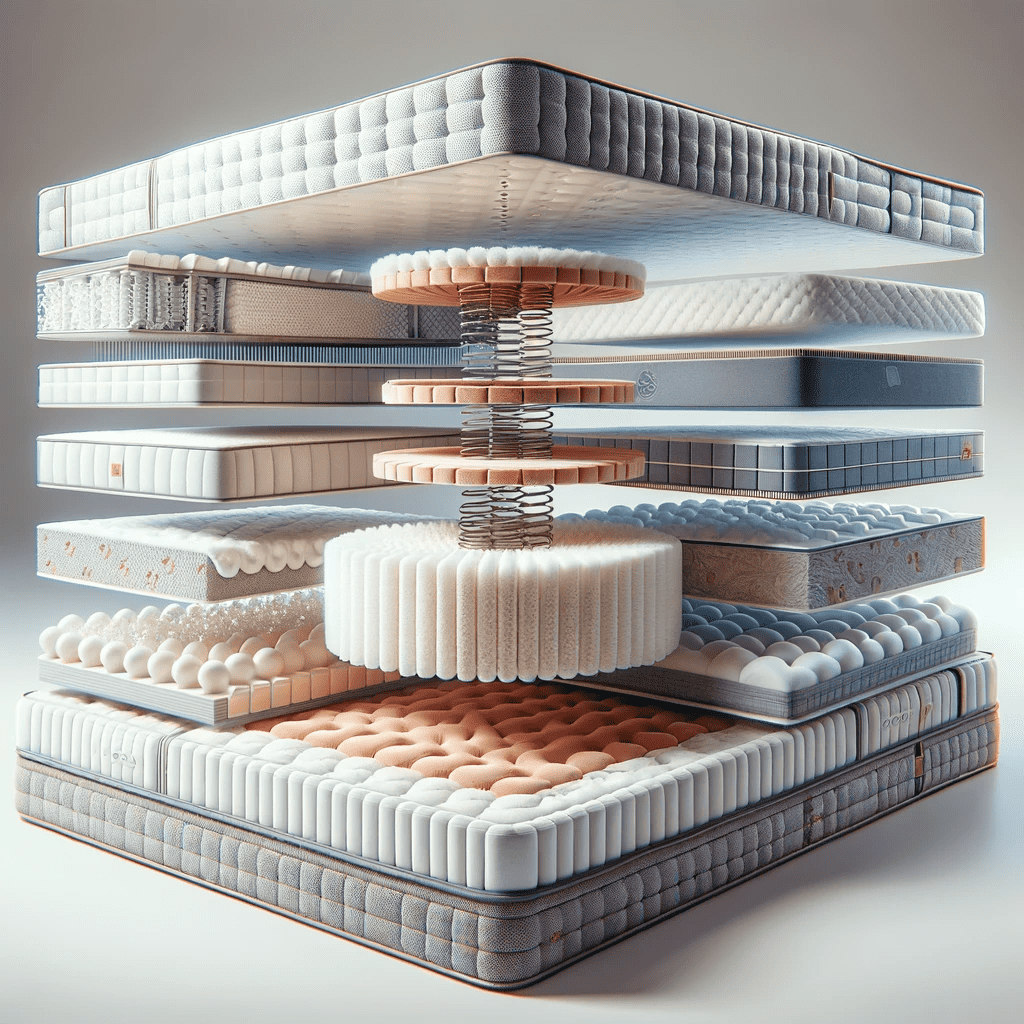
Hybrid mattresses combine innerspring coils with foam or latex layers to provide enhanced comfort and support. The innerspring coils offer a sturdy foundation, promoting proper spinal alignment for sciatica sufferers.
These coils also deliver excellent edge support, preventing sagging and maximizing the usable surface area of the mattress. The foam or latex layers in hybrid mattresses contribute to contouring and pressure relief.
They conform to the body’s curves, relieving pressure on sciatic nerve pain points. This contouring feature helps distribute body weight evenly, reducing stress on the lower back and hips.
Materials Considerations
When considering hybrid mattresses for sciatica relief, it’s essential to pay attention to the specific materials used. The type and quality of materials can significantly impact their suitability for individuals with sciatica.
Foam layers should typically be high-density foam with good responsiveness. This ensures that they provide adequate support without excessive sinking or motion transfer.
Latex layers should be responsive yet conforming enough to alleviate pressure points effectively. The coil system is another crucial factor to consider.
Look for individually wrapped coils or pocketed coils as they provide better motion isolation and contouring compared to traditional interconnected coils. The gauge (thickness) of the coils also affects firmness, so look for hybrid mattresses with a coil gauge suitable for your preference.
Overall, hybrid mattresses offer a promising combination of comfort and support for individuals with sciatica. However, carefully examining the materials used in these mattresses is crucial in determining their suitability for alleviating sciatic nerve pain effectively.
Airbeds/Mattress Toppers/Futons/Waterbeds
Discussion on alternative options that may not be suitable for individuals with sciatica due to lack of proper support or inadequate pressure relief. Airbeds, while offering adjustable firmness levels, may not provide adequate support for individuals with sciatica.
The air chambers in these mattresses can cause uneven distribution of weight, leading to improper spinal alignment and increased pressure on the sciatic nerve. Similarly, mattress toppers placed on existing mattresses may not offer the necessary support and contouring required for sciatic pain relief.
Futons, known for their thin and firm nature, lack sufficient cushioning and conformability needed to alleviate pressure points associated with sciatica. Waterbeds, with their fluid-filled chambers, can create unstable sleeping surfaces that do not uniformly distribute body weight, potentially exacerbating sciatic discomfort.
Conclusion
Summary highlighting the importance of choosing a mattress that provides adequate support, contouring, and pressure relief to alleviate sciatic pain. It is crucial for individuals with sciatica to prioritize finding a mattress that offers proper support to maintain spinal alignment while contouring to relieve pressure on the affected areas.
Consulting with a healthcare professional can provide valuable insights into specific needs related to individual conditions. Trying out different mattresses before making a final decision allows one to assess comfort levels accurately.
While each individual’s preferences may vary in terms of mattress type and firmness level, prioritizing personal comfort is vital in alleviating sciatic pain and ensuring restful sleep. By understanding the potential drawbacks associated with various mattress types and considering personalized needs, individuals can make informed decisions when selecting a mattress tailored towards relieving their specific sciatica symptoms.