Introduction
A Silent Culprit: Lordosis and Sleep Quality
Lordosis, a condition characterized by an excessive inward curvature of the lumbar spine, can have a significant impact on an individual’s sleep quality. This spinal abnormality disrupts the natural alignment of the spine, leading to discomfort, pain, and difficulty finding a comfortable sleeping position. As a result, individuals with lordosis often experience restless nights and wake up feeling fatigued instead of rejuvenated.
The Crucial Role of Mattress Selection
Choosing the right mattress becomes paramount for individuals suffering from lordosis as it can greatly alleviate their sleep-related struggles. A suitable mattress offers adequate support to maintain proper spinal alignment during sleep while also providing pressure relief to sensitive areas. By selecting an appropriate mattress, individuals with lordosis can improve their sleep quality, reduce pain and discomfort, and wake up feeling more refreshed.
It is important to note that not all mattresses are created equal when it comes to addressing the specific needs of individuals with lordosis. Understanding key factors such as support, pressure relief, and contouring ability is crucial in making an informed decision about which type of mattress would be most beneficial for managing this condition during sleep.
Understanding Lordosis

Definition and Causes of Lordosis
Lordosis is an excessive inward curvature of the spine in the lower back, leading to an exaggerated swayback posture. It is primarily caused by various factors, including poor posture, obesity, muscle imbalances, and certain medical conditions such as spondylolisthesis or osteoporosis.
Poor posture habits, such as sitting or standing with a slouched position for prolonged periods, can contribute to the development of lordosis over time. In some cases, lordosis may also be present at birth or develop during childhood due to spinal abnormalities or muscular disorders.
Common Symptoms Experienced by Individuals with Lordosis
Individuals with lordosis often experience a range of symptoms that can significantly impact their daily life and overall well-being. One common symptom is lower back pain due to the increased stress on the vertebrae and spinal discs caused by the exaggerated curve.
This pain may worsen with prolonged standing or sitting. Additionally, individuals with lordosis may experience muscle stiffness in their lower back and hip region, which can limit their mobility and range of motion.
Some individuals may also find it challenging to maintain proper balance due to the misalignment of their spine caused by lordosis. Overall, these symptoms can greatly affect sleep quality and necessitate specific considerations when choosing a mattress that provides adequate support and alignment for individuals suffering from lordotic curvature.
Support and Alignment
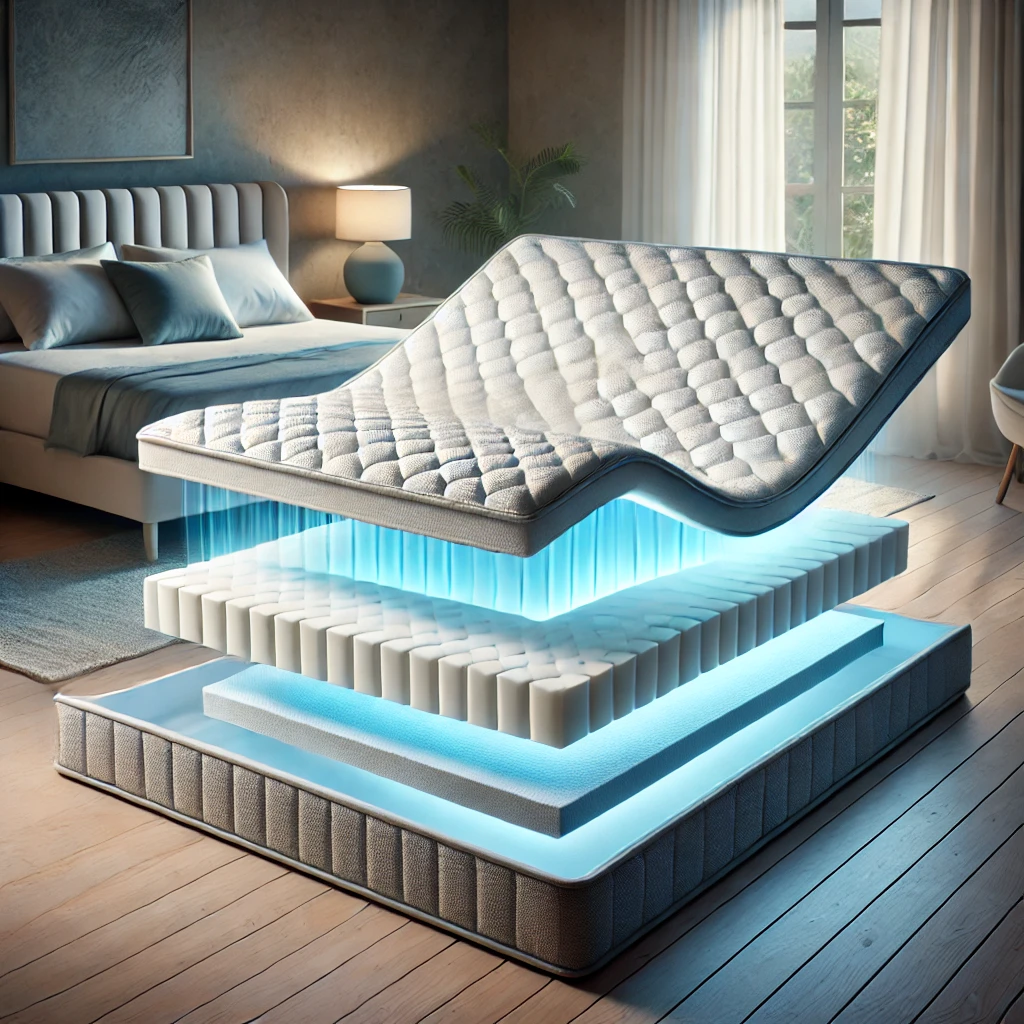
Proper spinal alignment is of utmost importance for individuals with lordosis. A mattress that offers excellent support can help maintain the natural curvature of the spine, alleviating discomfort and promoting better sleep quality. When choosing a mattress for lordosis, finding the right balance between support and comfort is crucial.
The mattress should be firm enough to provide adequate support to the lower back, but not so firm that it causes discomfort or pressure points. It should also offer enough cushioning to ensure a comfortable sleeping experience.
Pressure Relief
Individuals with lordosis often experience pain due to increased pressure on certain areas of their body, especially the lower back. Therefore, choosing a mattress that provides effective pressure relief is essential. Materials like memory foam or latex are known for their ability to distribute weight evenly and reduce pressure points.
Memory foam conforms closely to the body’s contours, relieving pressure on sensitive areas such as the lower back and hips. Latex mattresses also offer excellent pressure relief by gently cradling the body without sinking too deeply.
Contouring Ability
The ability of a mattress to contour to the body’s curves can greatly benefit individuals with lordosis. A mattress that conforms closely can help maintain proper spinal alignment by filling in any gaps between the body and the sleeping surface.
Memory foam mattresses are renowned for their exceptional contouring abilities as they respond specifically to individual shapes and sizes, providing personalized support where needed most for those with lordosis. Hybrid mattresses, which combine coil springs with foam layers, also excel in contouring by adapting to different body contours while offering the desired level of support.
Memory Foam Mattresses

Memory foam mattresses are an excellent choice for individuals with lordosis due to their ability to conform to the body’s shape and provide optimal support. This type of mattress is designed with a viscoelastic material that reacts to body heat, allowing it to mold and contour specifically to the curves of the spine. By doing so, memory foam mattresses help maintain proper spinal alignment, relieving pressure on the lower back and promoting a more comfortable sleep surface for those with lordosis.
When considering memory foam mattresses for individuals with lordosis, there are several options that stand out. The Tempur-Pedic Cloud Supreme Breeze is known for its exceptional conforming abilities and pressure relief properties.
Its plush feel allows for gentle support while alleviating any discomfort caused by lordosis. Another top choice is the Casper Wave, which features zoned support technology that targets specific areas of the body, including the lumbar region affected by lordosis.
Latex Mattresses

For individuals seeking natural elasticity and resilient support, latex mattresses are a great option for managing lordosis. Latex is derived from rubber tree sap and has inherent bounce, providing a supportive yet responsive surface that can adapt to individual body contours.
These mattresses offer excellent pressure relief while promoting proper spinal alignment. A recommended latex mattress suitable for individuals with lordosis is the Zenhaven Mattress.
It features multiple layers of organic latex, offering varying firmness levels on each side of the bed to accommodate different sleep preferences and address specific needs related to lordosis. Another notable choice is the Sleep On Latex Pure Green Natural Latex Mattress, which provides excellent breathability, durability, and comfort through its natural latex construction.
Hybrid Mattresses
Hybrid mattresses combine the best of both worlds by incorporating coil springs and foam layers, making them an attractive option for individuals with lordosis. The coil springs provide sturdy support, while the foam layers contour to the body’s curves, delivering enhanced comfort and pressure relief.
One recommended hybrid mattress for individuals with lordosis is the Saatva Classic Mattress. It features a coil-on-coil construction that ensures excellent lumbar support and spinal alignment.
The top layer consists of memory foam, which delivers targeted pressure point relief. Another notable choice is the Helix Midnight Luxe, which offers a balanced feel by combining memory foam and individually wrapped coils to provide personalized support for each sleep position.
Tips for Sleeping Position Adjustment
The importance of finding
– Understand the significance of adjusting your sleeping position to alleviate discomfort caused by lordosis. – Experiment with different sleeping positions to find the one that provides maximum support and alignment for your spine. – Try sleeping on your side with a pillow between your knees to promote proper spinal alignment and reduce strain on your lower back.
– If you prefer sleeping on your back, place a small pillow under the curve of your lower back to maintain the natural arch and provide additional support. – Avoid sleeping on your stomach as it can exacerbate lordosis and strain the neck and lower back.
Conclusion
Finding the best mattress for lordosis is crucial for improving sleep quality and managing discomfort. Consider factors such as support, pressure relief, and contouring ability when selecting a mattress.
Memory foam mattresses are known for their exceptional conforming ability, making them suitable for individuals with lordosis. Latex mattresses offer natural elasticity and support, while hybrid mattresses combine coil springs with foam layers to provide optimal comfort.
By adjusting your sleeping position and using supportive pillows, you can further enhance spinal alignment during sleep. Remember, prioritizing proper rest is essential in maintaining overall well-being.