Introduction
Living in a humid climate poses unique challenges when it comes to selecting the right mattress. Individuals residing in such regions often struggle with excessive moisture, leading to issues like mold, mildew, and dust mite growth.
The presence of high humidity levels can also impact the overall lifespan and durability of different mattress types. Therefore, choosing a mattress that can withstand these conditions is crucial for ensuring optimal comfort and support.
The Challenges Faced by Individuals Living in Humid Climates
Individuals residing in humid climates face the constant battle against moisture accumulation in their mattresses. High humidity levels promote an environment where mold and mildew thrive, which not only affects the hygiene but also poses health risks. Additionally, dust mite infestations are common in such environments, triggering allergies and respiratory problems.
The Importance of Selecting a Mattress for High Humidity Levels
Selecting the right mattress becomes paramount for individuals living in humid climates due to several reasons. Firstly, a suitable mattress should have materials that resist mold and mildew growth caused by excess moisture.
This ensures a healthier sleep environment while prolonging the lifespan of the mattress itself. Moreover, choosing a mattress capable of withstanding high humidity levels guarantees optimal comfort and support throughout the night.
A quality mattress will help regulate temperature and provide adequate airflow to prevent discomfort caused by heat buildup or sweating during sleep. By carefully considering these factors when selecting a mattress suitable for humid climates, individuals can enjoy restful nights free from moisture-related issues while ensuring long-term durability and comfort.
Understanding Humidity and its Effects on Mattresses

The Hidden Impact of Humidity on Mattress Materials
Humidity, the level of moisture content in the air, affects various materials, including mattresses. Excessive humidity can have detrimental effects on the lifespan and performance of mattresses. When exposed to high levels of moisture, mattress materials such as foam or fabric can absorb it, leading to a series of undesirable consequences.
The Growth of Mold, Mildew, and Dust Mites in Moisture-Laden Mattresses
Excessive moisture provides an ideal breeding ground for mold, mildew, and dust mites within your mattress. As humidity levels rise, these microorganisms thrive by feeding on organic matter present in your bedding.
Mold and mildew can cause unpleasant odors and discoloration while compromising the structural integrity of your mattress. Additionally, dust mites can trigger allergies or respiratory issues for individuals sleeping on a humid mattress.
How Humidity Can Diminish Lifespan and Durability
Humidity poses long-term risks to the overall lifespan and durability of different mattress types. Continuous exposure to high humidity leads to accelerated wear and tear due to the degradation of materials over time.
For instance, excessive moisture causes foam mattresses to lose their elasticity while causing springs in traditional mattresses to rust or corrode more quickly than usual. To ensure a longer-lasting mattress that withstands humid climates effectively, it is crucial to consider factors such as breathability, moisture resistance capabilities, as well as anti-microbial properties when selecting a suitable option.
Breathability: Selecting a mattress with good airflow properties

Materials like latex, open-cell foam, or hybrid designs allow air circulation. Memory foam or traditional spring mattresses may retain heat in humid environments.
Avoidance of heat-retaining mattresses
Memory foam mattresses and traditional spring mattresses tend to retain heat in humid climates. In humid environments, these types of mattresses can make sleeping uncomfortably hot and disrupt your rest.
The importance of airflow and ventilation
To prevent heat buildup during sleep in humid climates, it is crucial to select a mattress that allows for good airflow and promotes ventilation. Materials like latex, open-cell foam, or hybrid designs are excellent choices as they facilitate air circulation through the mattress structure.
Moisture Resistance: Choosing a moisture-resistant mattress
Mattresses with moisture-resistant properties prevent mold and mildew growth. A waterproof or water-resistant cover serves as an effective barrier against moisture penetration into the mattress.
Mattress covers that protect against moisture
To safeguard your mattress from excess humidity, consider choosing one with a waterproof or water-resistant cover. This will help prevent any liquid spills or excessive sweat from seeping through and damaging the mattress materials over time.
Mattress materials that repel moisture
Natural latex or synthetic fibers used in some mattresses have inherent properties that repel moisture. This prevents the accumulation of humidity within the mattress, reducing the risk of mold and mildew growth.
Anti-Microbial Properties: Selecting a mattress with features to combat allergens
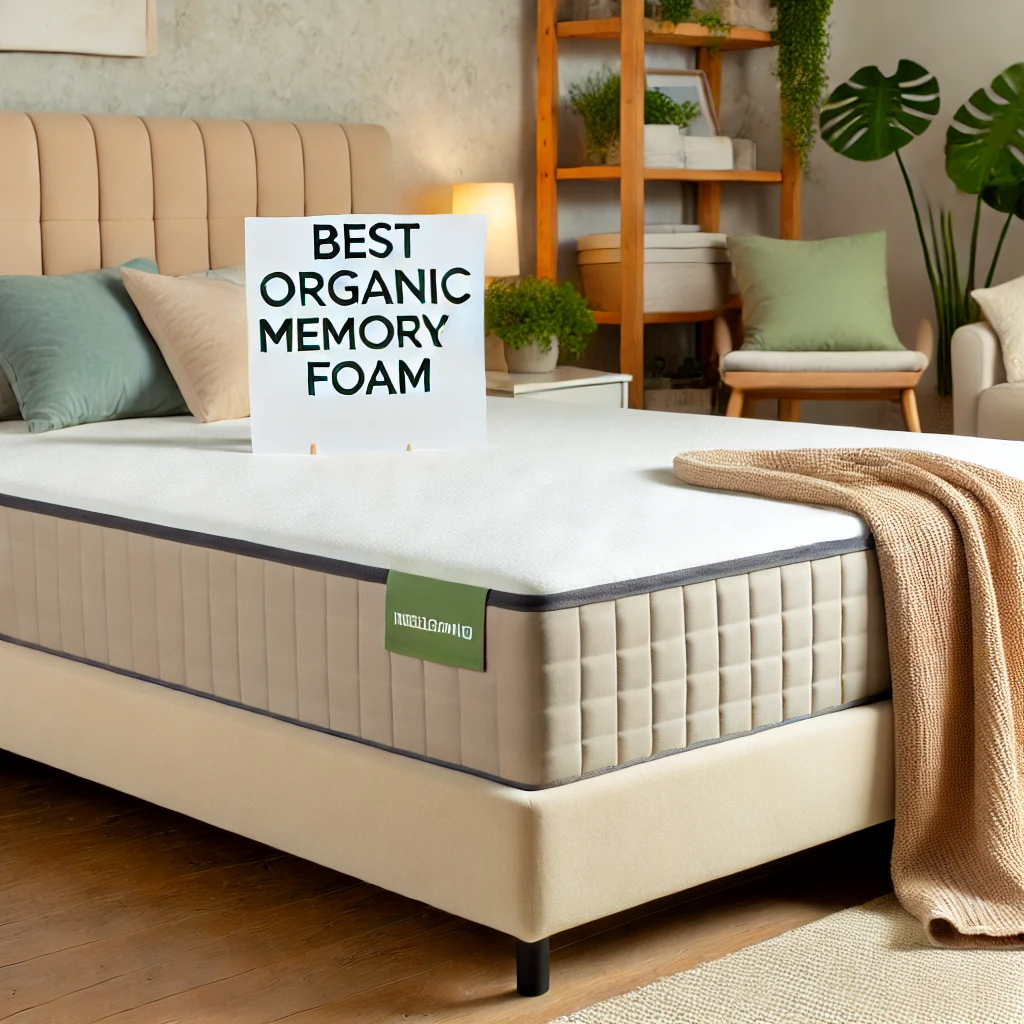
Mattresses with anti-microbial properties help combat dust mites and allergens commonly found in humid climates. Natural materials like bamboo charcoal-infused memory foam naturally repel allergens, providing an added layer of protection.
Bamboo charcoal-infused memory foam
Mattresses infused with bamboo charcoal have anti-microbial properties that naturally repel dust mites and allergens. This feature can be particularly beneficial for individuals with allergies or respiratory sensitivities living in humid climates.
Hypoallergenic covers or treatments
For enhanced protection against dust mites and other allergens, consider choosing a mattress with hypoallergenic covers or treatments. These additional layers help create a barrier against potential irritants, promoting a healthier sleep environment in humid climates.
Recommended Mattress Types for Humid Climates

Breathable Mattresses: Promoting Airflow and Cooling
Breathability is key when choosing a mattress for humid climates, as it helps prevent heat buildup and promotes ventilation. Look for mattresses made with materials like latex, open-cell foam, or hybrid designs that allow air to circulate freely.
These materials have natural airflow properties that facilitate better temperature regulation during the night. By allowing heat and moisture to escape, they help create a cooler sleeping environment.
Moisture-Resistant Mattresses: Guarding Against Mold and Mildew
To protect your mattress from the negative effects of humidity, opt for a moisture-resistant option. Look for mattresses that come with waterproof or water-resistant covers. These covers act as an effective barrier against moisture penetration, preventing mold and mildew growth.
Additionally, consider materials like natural latex or synthetic fibers that repel moisture naturally. These materials offer added protection against humidity-related issues without compromising on comfort or support.
Anti-Microbial Mattresses: Combating Dust Mites and Allergens
In humid climates where dust mites thrive, it’s crucial to choose a mattress with anti-microbial properties. Look for mattresses made with natural materials like bamboo charcoal-infused memory foam that naturally repel allergens and inhibit the growth of bacteria or mold. Additionally, consider mattresses with hypoallergenic covers or treatments specially designed to protect against dust mites and allergens commonly found in humid environments.
Conclusion
When it comes to selecting the best mattress for humid climates, prioritizing breathability, moisture-resistance, and anti-microbial features is essential. By opting for a breathable mattress that promotes airflow and cooling, you can ensure a comfortable sleep experience in high humidity conditions.
Choosing a mattress with moisture-resistant properties and materials that repel moisture guards against mold and mildew growth. Additionally, selecting an anti-microbial mattress helps combat dust mites and allergens commonly found in humid environments.
By considering these factors, you can find a mattress that not only withstands the challenges of humidity but also provides optimal comfort, support, and a healthier sleep environment. Embrace the joy of restful nights even in the most humid climates!