Introduction
The importance of a good mattress for overall health and well-being cannot be overstated. A mattress plays a crucial role in providing the necessary support and comfort for a restful night’s sleep. When it comes to individuals suffering from headaches, the right mattress becomes even more vital in promoting relief and reducing the frequency of headaches.
There is a strong link between headaches and poor sleep quality. Lack of proper support or discomfort caused by an inadequate mattress can lead to restless nights, tossing, and turning, resulting in disturbed sleep patterns.
This can exacerbate existing headaches or trigger new episodes. Therefore, finding the right mattress that supports proper spinal alignment and provides optimal comfort is essential for headache sufferers.
The purpose of this article is to explore various options available in the market and provide detailed insights into the best mattresses for individuals suffering from headaches. By understanding different types of mattresses and their features, readers will be able to make an informed decision when selecting a mattress that suits their specific needs.
Understanding Headaches and Sleep

Different types of headaches can cause significant discomfort and affect daily life. Migraines, tension headaches, and cluster headaches are the most common types experienced by individuals. Migraines often involve throbbing pain on one side of the head, accompanied by sensitivity to light and sound.
Tension headaches result in a constant band-like pressure around the head, causing mild to moderate pain. Cluster headaches are intense and occur in cyclical patterns, typically causing severe pain around one eye.
Sleep quality has a direct impact on the frequency and intensity of headaches. Poor sleep can trigger or exacerbate headaches, leading to more frequent occurrences.
Inadequate sleep can also contribute to increased headache intensity, making them even more debilitating. Research suggests that insufficient sleep affects neurotransmitter levels in the brain, potentially influencing headache development.
Several factors can contribute to poor sleep quality for headache sufferers. An uncomfortable mattress that fails to provide proper support places added strain on the neck and back, potentially triggering or aggravating headaches.
Improper support from a mattress that is too soft or too firm can disrupt spinal alignment during sleep, leading to muscle tension and increased headache occurrence. It is crucial for individuals with headaches to address these factors by selecting an appropriate mattress tailored for their needs.
Factors Contributing to Poor Sleep
In addition to uncomfortable mattresses and improper support affecting sleep quality for individuals with headaches, other factors can have a negative impact as well. Environmental factors such as noise or excessive light disruption during nighttime hours may disturb restful sleep patterns and increase headache frequency or intensity. Stress levels also play a significant role in both sleep quality and headache occurrence; high stress levels make it harder for individuals with headaches to fall asleep or stay asleep throughout the night.
Additionally, poor sleep hygiene habits like irregular sleeping schedules or engaging in stimulating activities before bed (such as using electronic devices) can disrupt natural sleep patterns and contribute to poor sleep quality. Addressing these various factors can help individuals with headaches establish healthier sleep routines, resulting in reduced headaches and an improved overall quality of life.
Choosing the Right Mattress for Headache Relief

Importance of Proper Spinal Alignment in Reducing Headache Occurrence
Proper spinal alignment plays a crucial role in reducing headaches as it helps alleviate stress and tension on the neck, shoulders, and head. When the spine is aligned correctly, it promotes improved blood circulation and reduces muscle strain, which can contribute to headache relief. Choosing a mattress that prioritizes spinal alignment is essential for individuals suffering from headaches.
Supportive Mattresses with Adequate Firmness Levels
To find headache relief, it is vital to select a mattress with adequate firmness levels that provide proper support. A supportive mattress ensures that your body weight is evenly distributed, preventing pressure points from forming.
When pressure points are alleviated, there is less strain on the neck and head, reducing the likelihood of headaches. Opting for medium-firm or firm mattresses can provide optimal support for headache sufferers.
Memory Foam Mattresses that Contour to the Body’s Shape and Relieve Pressure Points
Memory foam mattresses are an excellent choice for headache relief due to their ability to contour to your body’s shape. This contouring effect helps distribute your weight evenly across the mattress surface, reducing pressure points on sensitive areas such as the neck and head.
By relieving pressure points, memory foam mattresses allow muscles in these areas to relax fully. This relaxation minimizes tension build-up that often triggers headaches.
The adaptive nature of memory foam also absorbs movement and prevents disturbances while you sleep—promoting uninterrupted restful sleep essential for managing headaches effectively. Overall, choosing a mattress that promotes proper spinal alignment with adequate firmness levels while incorporating memory foam technology can significantly contribute to alleviating headaches by reducing tension build-up and enhancing overall sleep quality.
Innerspring Mattresses

Features and benefits:
- Innerspring mattresses are constructed with a system of metal coils as the primary support system.
- These mattresses offer excellent support and can help maintain proper spinal alignment, reducing the risk of headaches.
- The coil system promotes airflow, keeping the mattress cool and preventing heat buildup during sleep.
- Innerspring mattresses often come with various comfort layers, such as foam or latex, providing additional cushioning and pressure relief.
Coil count and gauge as factors affecting support level:
- The coil count refers to the number of coils in an innerspring mattress. Higher coil counts generally indicate better support and more precise contouring to your body’s shape.
- Coil gauge measures the thickness of the coils. Thicker gauges provide firmer support, while thinner gauges offer a softer feel.
- An ideal innerspring mattress for headache sufferers would have a higher coil count for enhanced support along with a medium-firm to firm comfort level.
Memory Foam Mattresses
Features and benefits:
- Memory foam is known for its ability to conform closely to the body’s shape, relieving pressure points and ensuring proper spinal alignment for headache relief.
- This type of mattress absorbs movement, minimizing disturbances caused by restless partners or tossing and turning during sleep.
- The material is hypoallergenic, resisting dust mites and other common allergens that may trigger headaches or disturb sleep quality.
Density levels impacting comfort and support: < li>Memory foam mattresses come in different density levels, typically measured in pounds per cubic foot (PCF).
- Higher-density foam provides better support and durable performance over time, making it suitable for headache sufferers.
- A medium to medium-firm density foam (around 4-6 PCF) often offers a balance of comfort and support for individuals experiencing headaches.
Latex Mattresses
Characteristics making them suitable for headache sufferers:
- Latex mattresses offer excellent responsiveness and pressure relief, allowing the body to rest in a neutral position that alleviates headaches.
- The natural elasticity of latex provides optimal support while promoting healthy spinal alignment.
- This type of mattress is highly durable and resistant to sagging, ensuring long-lasting headache relief.
Natural latex vs synthetic latex:
- Natural latex is derived from the sap of rubber trees. It is eco-friendly, hypoallergenic, and resistant to mold, mildew, and dust mites.
- Synthetic latex is made from petroleum-based materials or chemical compounds. It may lack some of the natural qualities found in organic latex but can be more affordable.
Specialized Features to Consider
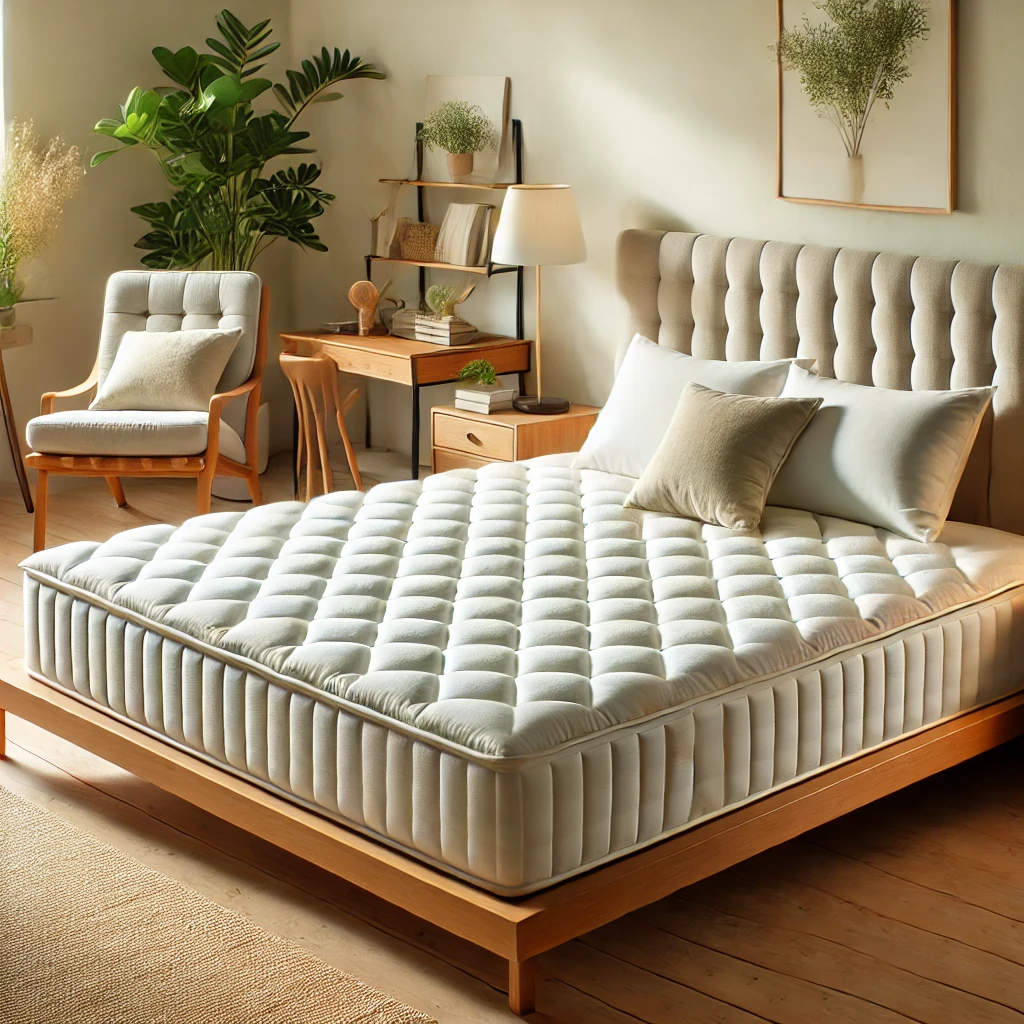
When searching for the best mattress for headaches, it is essential to consider specialized features that can provide added comfort and relief. One such feature to consider is pillow-top or Euro-top mattresses. These mattresses are designed with an additional layer of padding sewn onto the top surface, providing extra cushioning and a plush feel. The added cushioning can help alleviate pressure points and reduce the likelihood of headaches caused by discomfort during sleep.
Another specialized feature to consider is adjustable beds with customizable positions. These beds allow you to adjust the angle of your head and legs, providing optimal support and comfort based on individual preferences. For individuals suffering from headaches, finding a comfortable position during sleep can be crucial in reducing pain and promoting better rest. With an adjustable bed, you have the flexibility to find the ideal position that minimizes strain on your neck and head.
Mattress cooling technologies are also worth considering when selecting a mattress for headache relief. Many individuals experience headaches due to overheating during sleep or being sensitive to temperature changes. Mattresses with cooling technologies, such as gel-infused foam or breathable fabrics, can help regulate body temperature by dissipating heat away from your body. By maintaining a cool sleeping environment, these mattresses can potentially reduce the occurrence of headaches related to overheating or temperature sensitivity.
Additional Factors to Enhance Sleep Quality
Pillows suitable for headache relief
Choosing the right pillow is crucial for individuals suffering from headaches. (S) A pillow that provides proper support and alignment can help alleviate head pain and promote better sleep.
(S) Memory foam pillows are a popular choice as they contour to the shape of the head and neck, relieving pressure points and ensuring proper spinal alignment. (S) These pillows offer excellent support and can help reduce tension headaches caused by poor neck posture during sleep.
(S) Another option is cervical pillows, specially designed to support the natural curve of the neck, providing optimal comfort for headache sufferers. (S) These pillows cradle the neck while keeping it properly aligned, minimizing strain on muscles and reducing headaches.
Bedding materials that promote breathability
The type of bedding materials you choose can greatly impact your sleep quality, especially if you suffer from headaches. (S) Opting for breathable materials is essential as they allow proper airflow and prevent overheating during sleep, which can trigger or worsen headaches in some individuals. (S) Cotton sheets are a popular choice due to their natural breathability and ability to wick away moisture, keeping you cool throughout the night.
(S) Bamboo sheets offer similar benefits with their moisture-wicking properties and silky-smooth texture that enhances comfort while regulating temperature. (S) Additionally, choosing a mattress protector made from breathable fabrics like hypoallergenic cotton or bamboo can further enhance air circulation and prevent allergens from disturbing your sleep.
Tips on Shopping for a New Mattress
1. Consider your specific needs: Determine your preferred sleeping position, any existing health conditions or allergies, and personal preferences such as firmness levels and mattress materials. 2. Test different mattresses: Visit local mattress stores to try out various options. Spend at least 10-15 minutes lying on each mattress to assess comfort, support, and pressure relief.
3. Research online reviews: Read customer reviews and ratings to gain insight into the experiences of other headache sufferers who have purchased the same mattress models you are considering. 4. Look for trial periods and warranties: Opt for mattresses that offer trial periods allowing you to test the mattress at home and return it if it does not meet your expectations.
Additionally, check the warranty terms to ensure you are covered in case of any defects or issues. 5. Compare prices: Take your time to compare prices from different retailers or websites to find the best deal without compromising on quality or features.
6. Seek expert advice: Consult with healthcare professionals or sleep experts who can provide guidance based on your specific needs and requirements. 7. Pay attention to delivery options: Confirm whether the retailer offers free delivery or white glove service (assembly, removal of old mattress) to make the process smoother.
Conclusion
Finding the best mattress for headaches involves considering several factors such as proper spinal alignment, support levels, pressure relief, and personal preferences. In addition, testing mattresses in-store and researching online reviews can provide valuable insights into real customer experiences with different models.
Remember that a trial period allows you to test a mattress in your own home risk-free before making a final decision. Investing in a high-quality mattress tailored for headache relief can significantly improve sleep quality and overall well-being by reducing pain and promoting optimal rest.
So take the time to explore various options, consult experts if necessary, compare prices, and prioritize your comfort and health. By making an informed decision, you can look forward to waking up refreshed and headache-free, ready to embrace each day with renewed energy.