Introduction
A Silent Struggle: Joint Hypermobility Syndrome (JHS)
Individuals with JHS experience excessive flexibility in their joints due to a genetic connective tissue disorder. This condition affects the body’s collagen production, resulting in joints that stretch beyond the normal range of motion. While this increased flexibility may seem advantageous, it brings along a range of challenges for those living with JHS.
Unlocking Restful Nights: The Importance of Choosing the Right Mattress
Selecting an appropriate mattress is crucial for individuals with JHS as it can significantly impact their sleep quality and overall well-being. A suitable mattress has the potential to alleviate joint pain, reduce discomfort during sleep, and promote proper spinal alignment. Considering the unique needs and symptoms experienced by individuals with JHS, finding the right mattress is an essential step towards achieving restful nights and improved daily functioning.
Discovering Relief: Overview of Benefits from Suitable Mattress Selection
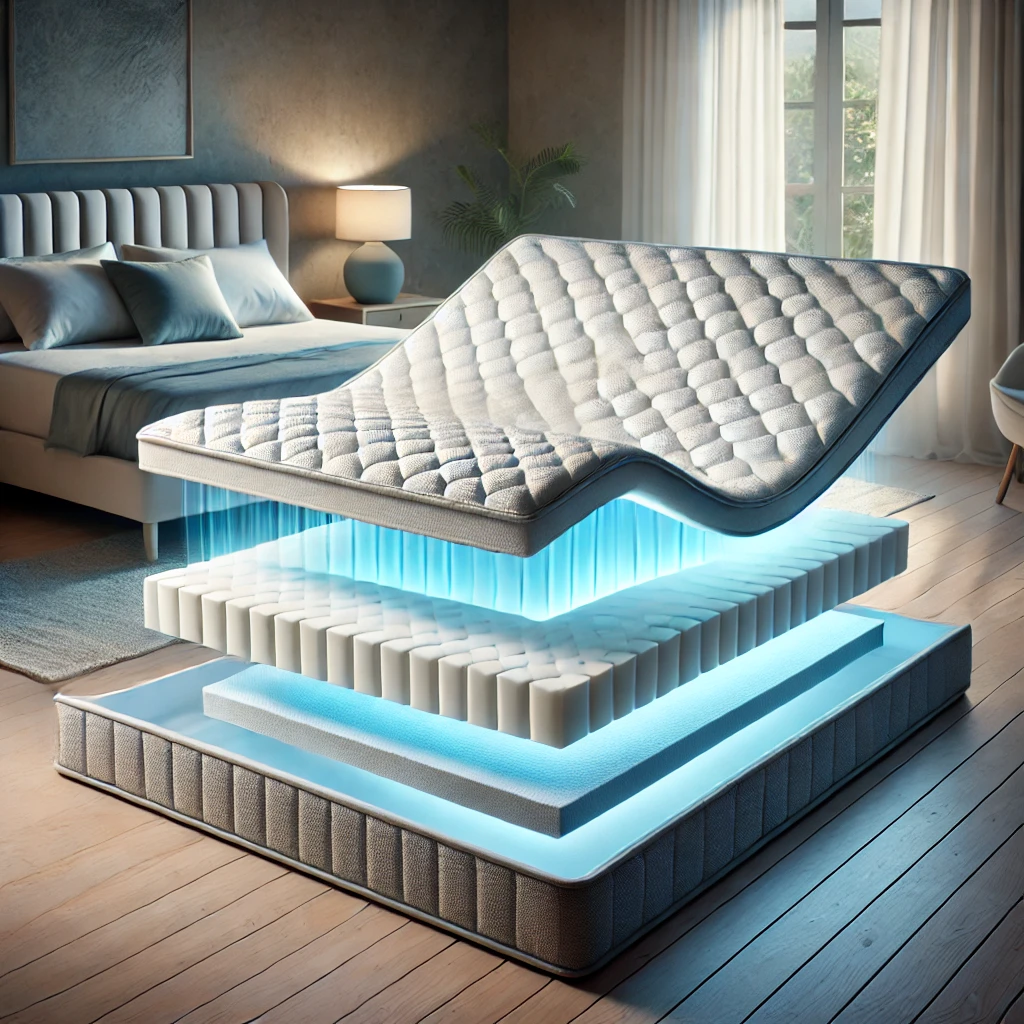
A well-suited mattress can offer various benefits to individuals with JHS. Firstly, it provides optimal support that helps distribute body weight evenly, reducing pressure on vulnerable joints such as hips, shoulders, or knees.
Additionally, a suitable mattress offers firmness levels specifically tailored to provide comfort without compromising spinal alignment. By contouring to the body’s natural curves and relieving pressure points like elbows or ankles, a quality mattress can help minimize pain and stiffness commonly experienced by individuals with JHS during sleep.
Furthermore, choosing a mattress that minimizes motion transfer ensures uninterrupted rest for those sharing their bed with partners or pets. Overall, investing in an appropriate mattress holds immense potential in improving sleep quality and enhancing daily life for individuals living with Joint Hypermobility Syndrome (JHS).
Understanding Joint Hypermobility Syndrome (JHS)

Definition and causes of JHS
Joint Hypermobility Syndrome (JHS) is a connective tissue disorder characterized by excessive joint mobility beyond the normal range of motion. It is primarily caused by genetic factors that affect the structure and composition of collagen, a protein responsible for providing strength and elasticity to connective tissues. The specific genes involved in JHS are yet to be fully identified.
Common symptoms experienced by individuals with JHS
Individuals with JHS often experience a wide range of symptoms, which can vary in severity. These symptoms may include joint pain, stiffness, and instability, particularly in the knees, shoulders, hips, and fingers. Fatigue is another common symptom that significantly affects daily life.
Additionally, individuals with JHS may suffer from frequent sprains or dislocations due to weakened ligaments. Other associated symptoms may include muscle weakness, poor posture control, easy bruising, gastrointestinal issues such as irritable bowel syndrome (IBS), and anxiety or depression.
Impact of JHS on sleep quality and overall well-being
Sleep quality is greatly affected by Joint Hypermobility Syndrome. Individuals with JHS often report difficulties falling asleep due to persistent pain or discomfort in their joints. The constant need to readjust position during sleep can lead to frequent disruptions throughout the night.
As a result, they wake up feeling fatigued and unrefreshed despite having slept for an adequate duration. Furthermore, inadequate support during sleep exacerbates joint pain and stiffness experienced during the day.
This can have a significant impact on overall well-being as chronic pain affects mood stability and mental health. The disrupted sleep patterns also contribute to increased fatigue levels throughout the day, impairing cognitive function, productivity and overall quality of life for individuals with JHS.
Factors to Consider When Choosing a Mattress for JHS
Support and Firmness Level
Different firmness levels suit JHS patients. Proper spinal alignment reduces joint pain and discomfort.
Pressure Relief and Body Contouring
Pressure points affect individuals with JHS, causing pain and stiffness. Memory foam or latex mattresses provide optimal pressure relief.
Motion Isolation
Excessive motion transfer disrupts sleep for those with JHS. Mattresses with good motion isolation properties offer benefits.
Types of Mattresses Suitable for Individuals with JHS

A: Memory Foam Mattresses
Memory foam conforms to the body, providing excellent support. Benefits and drawbacks associated with memory foam mattresses.
B: Latex Mattresses
Natural properties make latex mattresses ideal for joint issues. Different types of latex mattresses available in the market.
C: Hybrid Mattresses
Combination mattresses offer a balanced approach.
Conclusion:
Choosing the right mattress is crucial for individuals with Joint Hypermobility Syndrome (JHS) to improve sleep quality and overall well-being. Factors like support, firmness level, pressure relief, body contouring, motion isolation play a significant role in determining suitability. Memory foam mattresses are known for their ability to conform to the body’s shape and provide excellent support.
Latex mattresses have natural properties that make them an ideal choice for those dealing with joint issues. Hybrid mattresses offer a balanced approach by combining different materials.
With careful consideration of these factors, individuals with JHS can find a mattress that provides the necessary comfort and support needed to alleviate pain and improve sleep quality. Restful nights await!