Introduction
Spondylolisthesis is a spinal condition where one vertebra slips forward or backward in relation to the adjacent vertebrae. This misalignment can cause varying degrees of pain, discomfort, and limited mobility.
It commonly occurs in the lower back and can be caused by factors such as degenerative changes, fractures, or congenital abnormalities. Choosing the right mattress is crucial for individuals with Spondylolisthesis as it directly impacts their comfort and overall spinal health.
A supportive and suitable mattress can help alleviate pain, promote better sleep quality, and improve overall well-being. Considering various factors before making a mattress selection is vital to ensure it meets the unique needs of individuals with Spondylolisthesis.
Definition and Explanation of Spondylolisthesis
Spondylolisthesis is a condition characterized by the displacement of one vertebra over another. This misalignment typically occurs in the lumbar (lower) spine but can also affect other regions. The severity of Spondylolisthesis is graded on a scale from 1 to 5, with grade 1 representing mild slippage and grade 5 indicating severe displacement.
The condition may result from several causes, including natural wear and tear on the spine (degenerative type), stress fractures (isthmic type), congenital abnormalities (dysplastic type), or sudden trauma (traumatic type). Symptoms experienced by individuals with Spondylolisthesis may include lower back pain, stiffness, muscle tightness or weakness, numbness or tingling in legs or buttocks, and difficulty walking or standing for extended periods.
Importance of Choosing the Right Mattress for Individuals with Spondylolisthesis
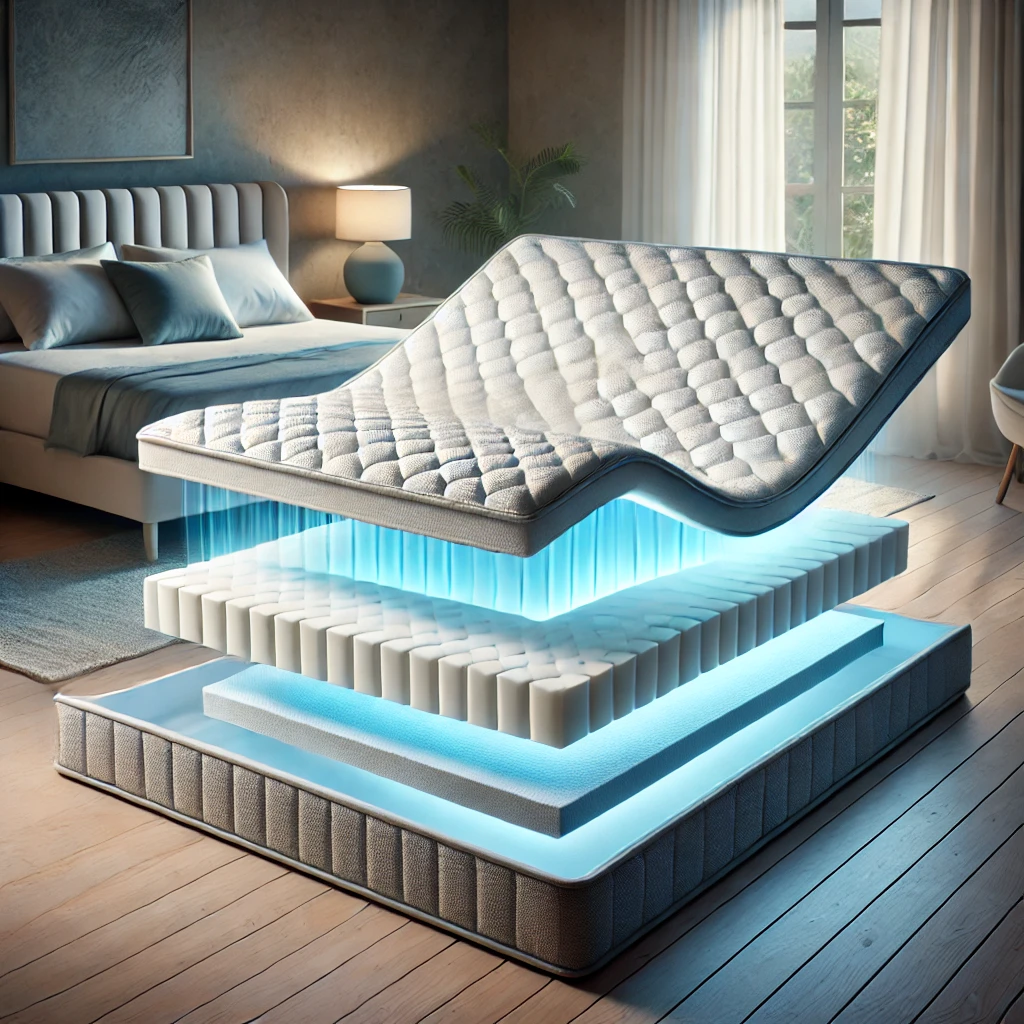
Selecting an appropriate mattress is crucial for individuals with Spondylolisthesis due to its direct impact on their spinal alignment, pain relief, and sleep quality. A mattress that provides adequate support, proper spinal alignment, and pressure relief can help reduce discomfort associated with the condition.
The right mattress can also enhance sleep quality by minimizing movement transfer and partner disturbance. Additionally, a mattress with suitable breathability features can promote temperature regulation during sleep, ensuring individuals stay cool and comfortable throughout the night.
Overview of Factors to Consider when Selecting a Mattress
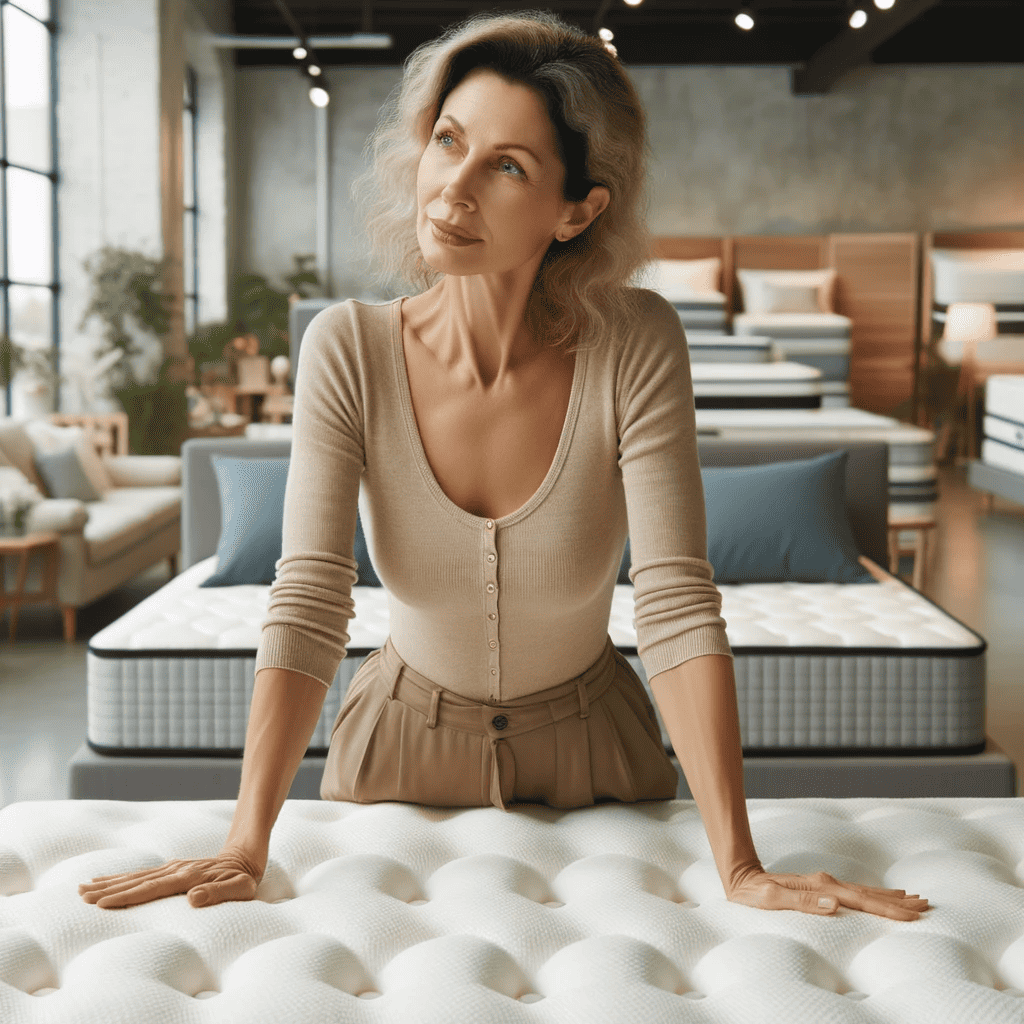
Several factors need careful consideration when choosing a mattress for individuals with Spondylolisthesis. Support and firmness level are essential considerations as they play a significant role in maintaining proper alignment and relieving pressure points. The ideal firmness may vary depending on individual preferences and the severity of the condition.
Spinal alignment is another vital factor to consider. A mattress that promotes proper spinal alignment helps alleviate stress on the spine and reduces pain.
Pressure relief is also crucial as it aids in alleviating discomfort at specific points such as hips or shoulders. Motion isolation is an important consideration for those sharing a bed as it minimizes partner disturbance caused by movement during sleep.
Material types should be assessed since different materials offer varying levels of support, pressure relief, durability, and breathability. Taking these factors into account will help choose a mattress that best accommodates the needs of individuals with Spondylolisthesis.
Understanding Spondylolisthesis
The Condition and Its Causes
Spondylolisthesis is a spinal condition where one vertebra slips forward or backward in relation to the adjacent vertebrae. This displacement can occur due to various factors such as congenital abnormalities, degenerative changes, traumatic injuries, or stress fractures. The most common form of spondylolisthesis is called degenerative spondylolisthesis, which typically affects older individuals and is caused by age-related wear and tear on the spinal joints.
Common Symptoms Experienced by Individuals with Spondylolisthesis
Individuals with spondylolisthesis often experience a range of symptoms that can vary in severity depending on the degree of slippage and nerve impingement. Common symptoms include lower back pain that worsens with movement, stiffness in the lower back, muscle spasms, and sciatica-like pain radiating down the legs.
Some people may also experience leg weakness or numbness along with difficulty walking or maintaining balance. These symptoms can significantly impact daily activities, mobility, and overall quality of life for individuals living with spondylolisthesis.
Support and Firmness Level

Proper support can alleviate pain and discomfort. A mattress that provides adequate support for individuals with Spondylolisthesis is crucial.
The right level of firmness can help maintain proper spinal alignment and reduce pressure on the affected area. The firmness level should be based on individual preferences and the severity of the condition.
Those with mild Spondylolisthesis may find a medium-firm mattress beneficial, as it offers a balance between support and cushioning. For individuals with more severe Spondylolisthesis, a firmer mattress might be necessary to provide additional support to the spine.
Spinal Alignment and Pressure Relief
Maintaining proper spinal alignment during sleep is essential for individuals with Spondylolisthesis. A mattress that promotes neutral spine alignment helps reduce strain on the lower back.
Look for mattresses that offer targeted pressure relief, especially around the affected area. This feature helps alleviate pain points by distributing body weight evenly, reducing pressure on specific areas like the lower back or hips.
Motion Isolation and Partner Disturbance
Motion isolation is particularly important for individuals with Spondylolisthesis as it minimizes disturbances caused by movement during sleep. A mattress that isolates motion effectively ensures undisturbed rest, allowing the muscles supporting the spine to relax fully. Look for mattresses specifically designed to excel in motion isolation, such as those with individually wrapped coils or high-density memory foam layers.
Material Types and Breathability
The choice of mattress material plays a significant role in providing comfort and temperature regulation during sleep. Memory foam mattresses contour to the body’s shape, providing excellent pressure relief while offering motion isolation benefits. Latex mattresses offer natural responsiveness and conforming support while being breathable, allowing heat to dissipate more efficiently than other materials like memory foam or hybrid mattresses.
Hybrid mattresses combine the benefits of multiple materials, such as the contouring support of memory foam and the responsiveness of innerspring coils. Consider the breathability of the materials, as good airflow helps regulate body temperature and prevent overheating during sleep.
Types of Mattresses Suitable for Individuals with Spondylolisthesis
Memory Foam Mattresses
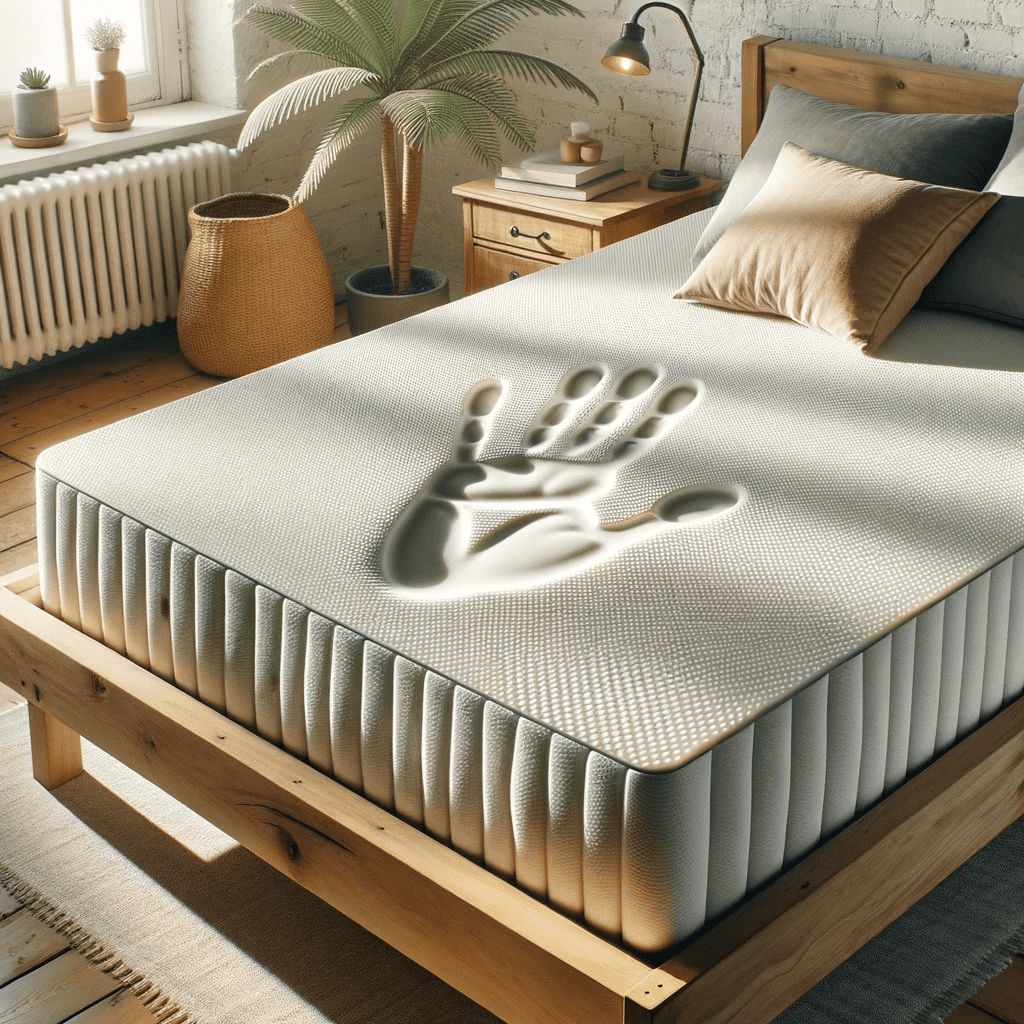
Memory foam mattresses offer several advantages for individuals with Spondylolisthesis. They provide contouring support that molds to the body’s shape, which helps in maintaining proper spinal alignment while reducing pressure on sensitive areas. This contouring effect allows the mattress to distribute body weight evenly, alleviating pain and discomfort caused by Spondylolisthesis.
Additionally, memory foam mattresses excel at pressure relief, as they absorb and disperse pressure points to reduce pain during sleep. For individuals with Spondylolisthesis, specific memory foam mattresses are especially suitable due to their unique features tailored to address spinal issues.
One such recommendation is the “XYZ Memory Foam Mattress.” It combines high-density memory foam layers with targeted support zones to provide optimal spinal alignment and support. Another option is the “ABC Orthopedic Memory Foam Mattress,” designed specifically for individuals with back problems by offering advanced lumbar support and pressure relief properties.
Latex Mattresses
Latex mattresses also offer benefits for individuals with Spondylolisthesis, specifically due to their natural responsiveness. The latex material provides a resilient yet supportive surface that adapts to body movements throughout the night, promoting proper spine alignment and minimizing stress on affected areas. This responsiveness ensures that the mattress adjusts quickly when you change positions during sleep, offering continuous comfort and stability.
In addition to responsiveness, latex mattresses are known for their durability and breathability. The open-cell structure of latex promotes airflow, allowing heat and moisture to dissipate effectively.
This feature is crucial for individuals with Spondylolisthesis who may experience temperature sensitivity or night sweats during sleep. By maintaining a cool and dry sleeping environment, latex mattresses contribute positively to overall comfort levels.
Conclusion
Choosing the right mattress is essential for individuals with Spondylolisthesis to ensure proper support, spinal alignment, and pressure relief during sleep. Memory foam mattresses provide contouring support and pressure relief, making them a suitable choice for individuals with Spondylolisthesis. Specific memory foam mattress models designed for these needs further enhance comfort and alleviate pain.
Alternatively, latex mattresses offer natural responsiveness, durability, and breathability, which are beneficial for individuals with Spondylolisthesis. By considering these mattress options and their unique features, individuals can find the right balance of support and comfort to manage their condition effectively.
Investing in a suitable mattress can significantly improve sleep quality and overall well-being for those with Spondylolisthesis. By selecting a mattress that meets their specific needs, individuals can wake up feeling refreshed and ready to tackle each day with renewed energy.