Introduction
Kyphosis and its Impact on Sleep Quality
Kyphosis is a condition characterized by an excessive outward curvature of the spine, resulting in a forward hunching or rounding of the upper back. This can lead to various discomforts and challenges, especially when it comes to sleep quality.
Individuals with kyphosis often experience difficulties finding a comfortable sleeping position, as the abnormal curvature may put strain on the spine and surrounding muscles. As a result, they may have disturbed sleep patterns, wake up frequently during the night, and wake up feeling fatigued and sore.
The Importance of Choosing the Right Mattress for Individuals with Kyphosis

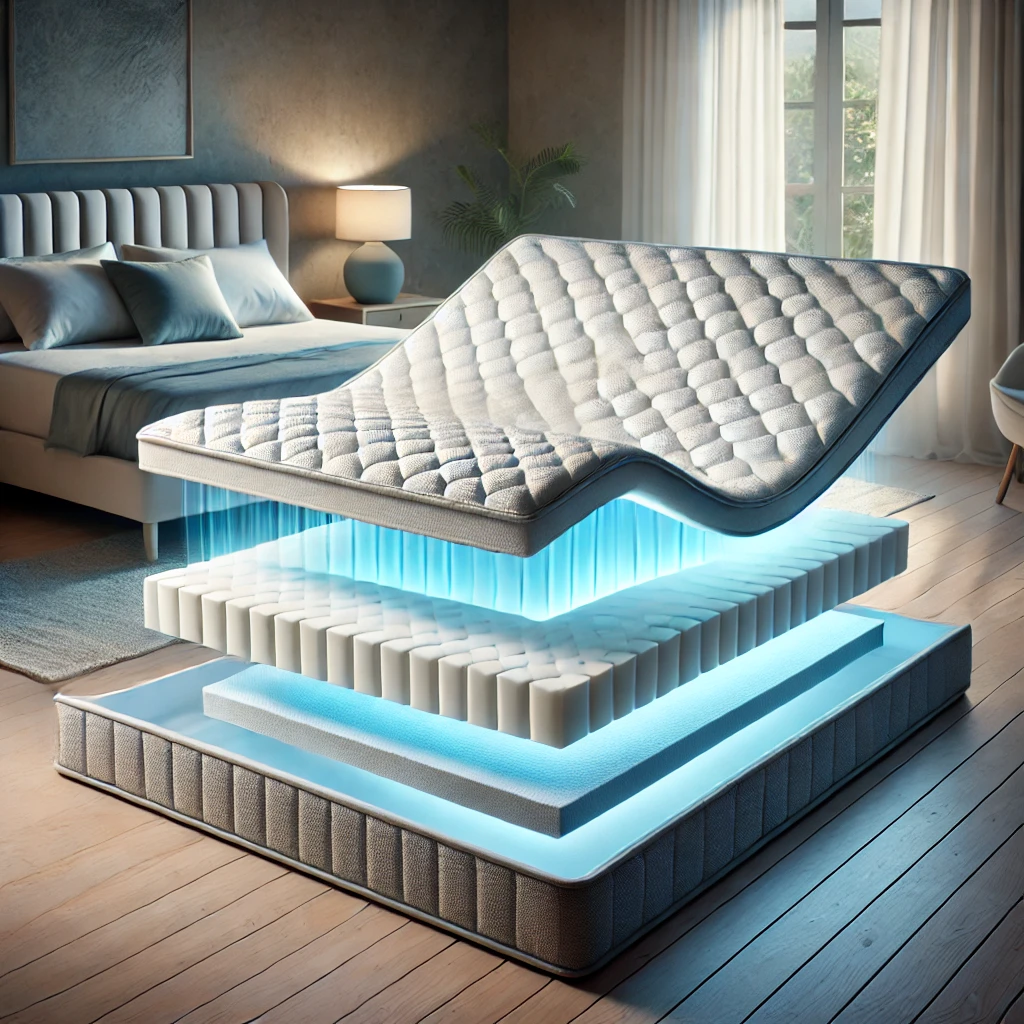
Selecting an appropriate mattress is crucial for individuals with kyphosis because it directly impacts their spinal alignment and overall comfort during sleep. A poorly chosen mattress can exacerbate existing problems by failing to provide adequate support or pressure relief to the affected areas. Conversely, a well-suited mattress can alleviate some of the discomfort associated with kyphosis, promote better spinal alignment, reduce pressure points on the back, and enhance overall sleep quality.
To ensure optimal rest and alleviate potential pain or discomfort caused by kyphosis during sleep, it is essential to understand how specific mattress features can address these concerns effectively. By considering factors such as supportive features, pressure relief properties, motion isolation capabilities, and adjustable options tailored for individuals with kyphosis needs – selecting an appropriate mattress becomes an integral part of managing this condition’s impact on sleep quality.
Understanding Kyphosis
Definition and Types of Kyphosis
Kyphosis refers to an excessive forward curvature of the upper back, leading to a rounded or hunched posture. There are different types of kyphosis, including postural kyphosis, Scheuermann’s kyphosis, and congenital kyphosis. Postural kyphosis is the most common type and typically occurs due to poor posture habits.
It often develops during adolescence but can affect people of all ages. Scheuermann’s kyphosis is characterized by wedging of the vertebrae in the upper back, resulting in an exaggerated curvature.
It is usually diagnosed during adolescence and can cause both physical discomfort and self-consciousness due to visible spinal deformity. Congenital kyphosis is present at birth and arises due to abnormal development of the spine in the womb.
This type of kyphosis varies in severity and can be caused by factors such as spinal malformations or vertebral fusion. Understanding these different types helps tailor treatment approaches for individuals with kyphotic conditions.
Common Symptoms and Challenges Faced by Individuals with Kyphosis
Individuals with kyphotic conditions often face various symptoms that impact their daily lives, particularly when it comes to sleep quality and overall comfort. Common symptoms include persistent pain or stiffness in the upper back or neck region, limited mobility, muscle fatigue, and difficulty maintaining proper posture. Sleeping problems are also prevalent among individuals with kyphosis.
The abnormal spinal curvature can lead to discomfort while lying down, making it challenging to find a comfortable position for sleep. This may result in disrupted sleep patterns, frequent waking during the night, or difficulty falling asleep.
Furthermore, individuals with severe cases of kyphotic posture may experience psychological challenges due to body image concerns or self-esteem issues related to their visible spinal deformity. It is essential to address both the physical and emotional aspects of living with kyphosis to ensure comprehensive care and support for affected individuals.
Supportive Features
Firmness level: Optimal firmness to maintain proper spinal alignment
Choosing a mattress with the right firmness level is crucial for individuals with kyphosis. The optimal firmness provides adequate support to keep the spine aligned, preventing further discomfort and pain.
A medium-firm to firm mattress is generally recommended, as it helps distribute body weight evenly and supports the natural curvature of the spine. This ensures that the back remains properly aligned during sleep, reducing strain on the kyphotic areas.
Zoning technology: Targeted support for different areas of the body affected by kyphosis
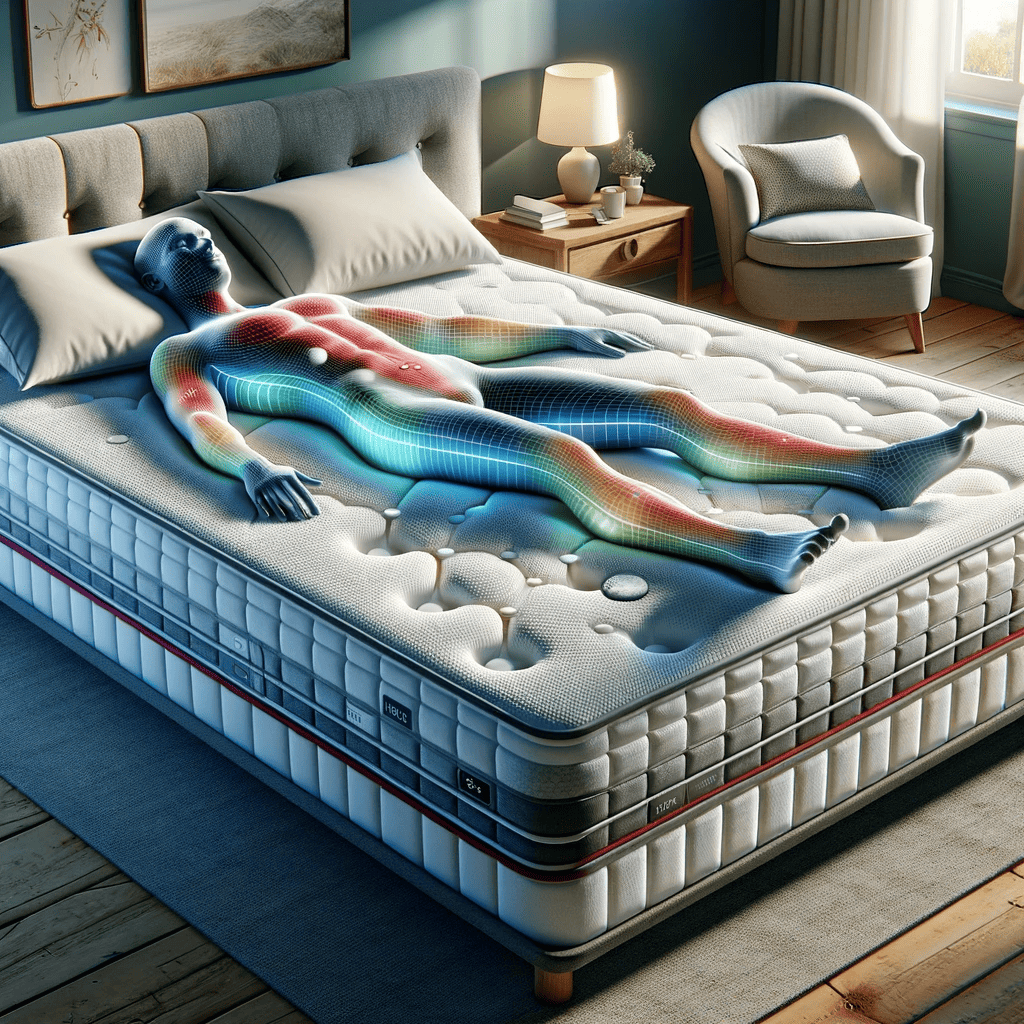
Zoning technology in mattresses offers targeted support to specific areas affected by kyphosis, such as the shoulders and hips. These zones are designed with different levels of firmness or contouring properties, aligning with the body’s natural curves and providing extra support where needed most. By accommodating the unique needs of individuals with kyphosis, zoning technology promotes better spinal alignment and relieves pressure points associated with this condition.
Edge support: Ensuring stability and preventing sagging at the edges
Edge support is particularly important for individuals with kyphosis as it prevents sagging at the sides of the mattress when getting in or out of bed. A mattress with reinforced edges maintains stability and structural integrity, allowing people to comfortably use its full surface without feeling like they might roll off. This feature also enhances overall durability by preventing premature wear near the edges due to repeated pressure on those areas.
Pressure Relief Properties
Memory foam or latex mattresses: Contouring ability to alleviate pressure points on the spine
Memory foam or latex mattresses excel at contouring closely to a person’s body shape, which can greatly benefit individuals dealing with kyphosis. As these materials conform to the curves of the body, they effectively distribute weight and alleviate pressure points on the spine. This helps reduce pain and discomfort associated with kyphosis, enabling better sleep quality and allowing muscles and tissues to relax more deeply.
Gel-infused or cooling materials: Reducing heat buildup during sleep, especially important for those with limited mobility due to kyphosis
People with kyphosis often experience limited mobility, which can lead to increased perspiration during sleep. Opting for a mattress that incorporates gel-infused or cooling materials can help regulate body temperature and prevent overheating.
These materials are designed to dissipate heat more efficiently, ensuring a cooler sleeping environment and enhancing comfort for individuals with limited movement due to kyphotic posture. By reducing heat buildup, these mattresses promote a more restful sleep experience.
Motion Isolation
Pocketed coil or memory foam mattresses: Minimizing motion transfer caused by partner movements, promoting uninterrupted sleep
For couples sharing a bed where one partner has kyphosis, choosing a mattress with motion isolation properties becomes crucial. Pocketed coil or memory foam mattresses excel at minimizing motion transfer caused by partner movements during the night.
The individually wrapped coils in pocketed coil mattresses absorb movement while memory foam contours closely to the body. Both options greatly reduce disturbances caused by tossing and turning, promoting uninterrupted sleep for individuals with kyphosis.
Adjustable Features
Adjustable bed frames: Allowing individuals with kyphosis to find their most comfortable sleeping position easily
Having an adjustable bed frame gives individuals with kyphosis greater control over their sleeping position and overall comfort level. These frames allow for easy adjustment of different sections of the bed, such as raising the head or legs.
For people with kyphotic posture seeking relief from discomfort or breathing difficulties, finding the right angle can make a significant difference. Adjustable bed frames provide the flexibility needed to achieve optimal comfort and support for a restful night’s sleep.
Inclined sleeping positions: Elevating the upper body can provide relief from discomfort associated with kyphotic posture
Inclined sleeping positions, made possible by adjustable bed frames or pillows, can offer relief from discomfort associated with kyphotic posture. By elevating the upper body slightly, pressure on the spine and chest is reduced.
This can alleviate breathing difficulties and ease muscle tension in the back and neck. Experimenting with different degrees of inclination allows individuals with kyphosis to find the most comfortable position that helps alleviate their specific symptoms and promote better sleep quality.
Types of Mattresses Suitable for Kyphosis

Memory Foam Mattresses
Memory foam mattresses are highly recommended for individuals with kyphosis due to their contouring ability and pressure relief properties. The viscoelastic nature of memory foam allows it to conform to the body’s shape, providing customized support and aligning the spine properly. By distributing body weight evenly, memory foam helps alleviate pressure points, particularly along the shoulders, back, and hips.
This can significantly reduce discomfort and pain caused by kyphotic posture. Furthermore, memory foam mattresses have motion isolation capabilities that minimize disturbances caused by partner movements during sleep.
The material absorbs motion rather than transferring it across the bed, ensuring uninterrupted rest for individuals with kyphosis. Additionally, many memory foam mattresses are available in varying firmness levels to cater to different preferences and provide optimal support for those with kyphosis.
Conclusion
Selecting the right mattress is crucial for individuals with kyphosis to improve their sleep quality and overall well-being. Memory foam mattresses stand out as an excellent choice due to their ability to contour to the body’s shape and relieve pressure points along the spine. These mattresses also offer motion isolation features that prevent disruptions during sleep.
By choosing a suitable mattress like memory foam, individuals with kyphosis can experience improved comfort and restful nights. Rest assured that making a well-informed decision about your mattress will positively impact your sleep experience while managing kyphosis.