Introduction
Iliac crest pain refers to discomfort or tenderness experienced in the upper part of the pelvic bone, known as the iliac crest. It can arise from various factors, such as trauma, inflammation, or overuse. Injuries like fractures or contusions to the iliac crest can cause acute pain, while conditions like bursitis or tendonitis may result in chronic discomfort.
The iliac crest also houses several muscles and ligaments that can become strained or inflamed due to repetitive movements or poor posture. These issues contribute to the development of iliac crest pain. Importance of finding the best sleeping position to alleviate discomfort
Discovering an optimal sleeping position plays a crucial role in managing and alleviating iliac crest pain. During sleep, our bodies need proper support and alignment to allow for natural healing processes and reduce unnecessary strain on affected areas. A poor sleeping position can exacerbate existing pain by placing additional pressure on the inflamed tissues surrounding the iliac crest.
Conversely, a suitable sleeping position can help relieve discomfort by promoting better spinal alignment and reducing stress on sensitive areas. Therefore, it is essential to identify and adopt a sleeping posture that provides comfort and supports optimal healing for individuals suffering from iliac crest pain.
Understanding Iliac Crest Pain
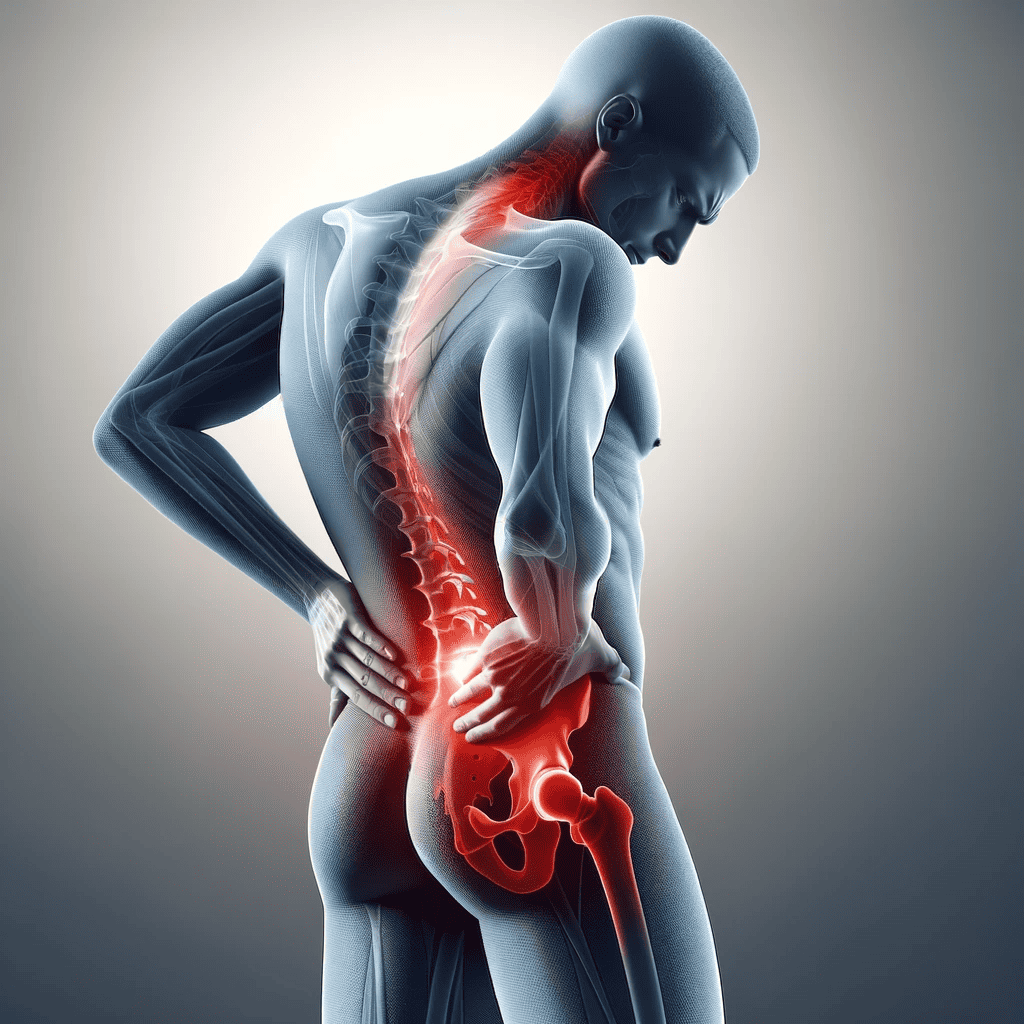
The iliac crest is the curved upper border of the pelvis, located on either side of the lower back. It serves as an attachment point for various muscles and ligaments.
When these structures become irritated or inflamed, it can lead to iliac crest pain. Trauma is a common cause of iliac crest pain, often resulting from falls or direct blows to the lower back region.
Inflammation can occur due to conditions like bursitis or tendonitis, which cause swelling and discomfort around the iliac crest area. Overuse or repetitive activities that strain the muscles and ligaments attached to the iliac crest can also contribute to pain. Definition and Location of the Iliac Crest
The iliac crest refers to the curved ridge at the top of each hip bone that forms part of our pelvic structure. It serves as a significant attachment site for various muscles in our lower back, abdomen, and hips.
This bony prominence extends from approximately L4 (the fourth lumbar vertebra) to S1 (the first sacral vertebra). It can be palpated by placing your hands on your hips while standing, feeling for a prominent ridge along your side.
Common Causes of Iliac Crest Pain
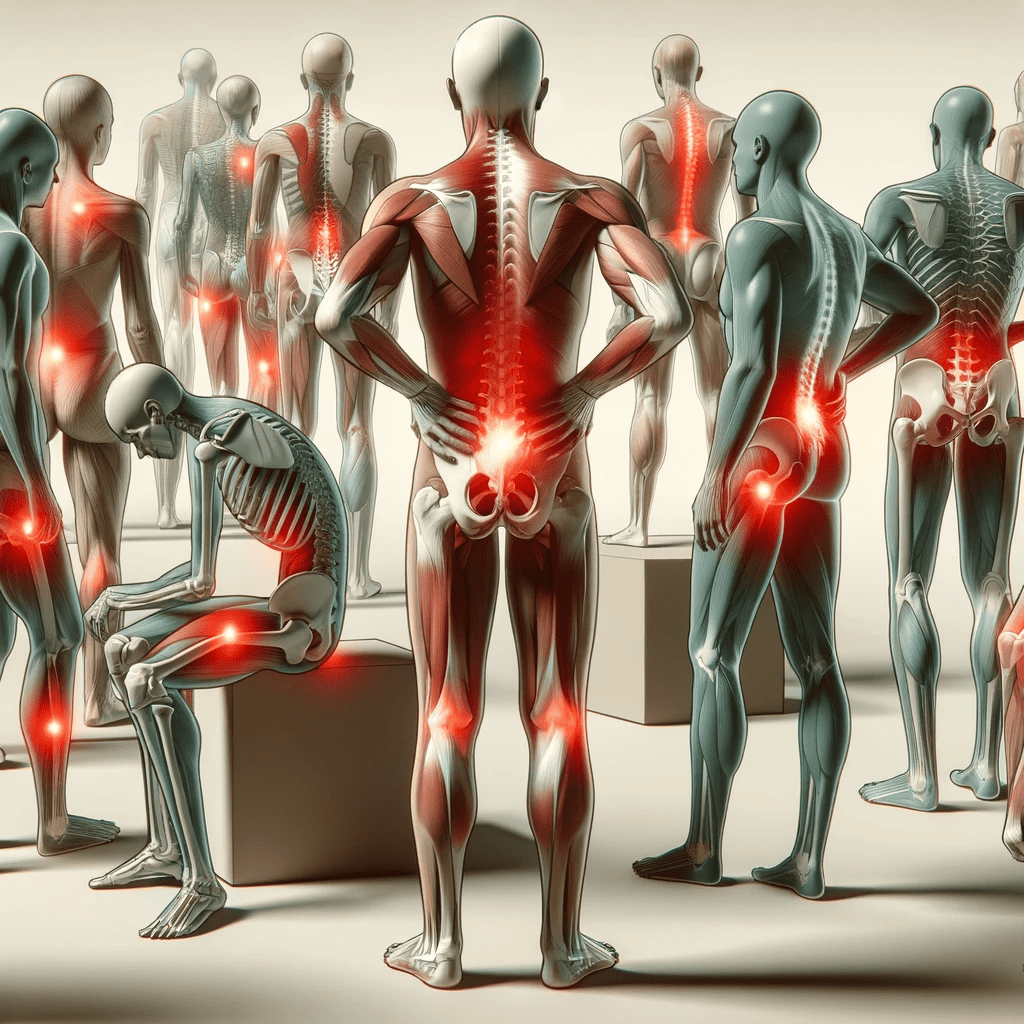
Iliac crest pain can result from various factors such as trauma, inflammation, or overuse. Traumatic injuries like falls or direct impacts to the lower back region can cause acute pain in this area.
The forceful impact may result in bruising, muscle strains, or even fractures around the iliac crest. Inflammation is another significant cause of discomfort in this region.
Conditions like bursitis (inflammation of fluid-filled sacs called bursae) or tendonitis (inflammation of tendons) can lead to localized pain around the iliac crest due to irritation and swelling of the affected structures. Overuse or repetitive activities can strain the muscles and ligaments attached to the iliac crest.
This excessive stress, often seen in athletes or individuals performing repetitive motions, can result in chronic pain. Muscular imbalances, poor posture, or improper body mechanics during movements may exacerbate iliac crest pain in these cases.
Factors to Consider for a Good Sleeping Position Alignment:
Proper spinal alignment is crucial when determining the best sleeping position for iliac crest pain. Maintaining a neutral spine position can provide significant relief from discomfort.
The neutral spine position refers to the natural curvature of the spine, where it is neither excessively arched nor flattened. By aligning the spine correctly, pressure on the iliac crest and surrounding areas can be reduced.
This alignment promotes optimal distribution of weight and minimizes strain on the affected region. Misalignment’s Exacerbation:
Misalignment during sleep can worsen iliac crest pain. When the spine is not properly aligned, it creates imbalances and increases pressure on specific areas, including the iliac crest.
Misalignment can lead to added stress on surrounding muscles, ligaments, and nerves, aggravating pain in this region. It is crucial to understand how improper positioning affects the condition and strive for proper alignment to alleviate discomfort.
Pressure Points: Identifying pressure points that may aggravate iliac crest pain is essential in finding an optimal sleeping position.
Certain areas around the iliac crest region are prone to developing pressure points that can exacerbate discomfort. These pressure points often occur due to prolonged contact with bedding or inadequate support while sleeping.
The primary aim should be relieving pressure on nerve endings and surrounding tissues in these vulnerable areas. Areas Prone to Pressure Points:
Pressure points commonly develop directly over or adjacent to the iliac crests themselves due to their bony prominence near the surface of the skin. Other potential problem areas include hips, lower back, and sacroiliac joint regions surrounding this area—these regions are susceptible due to their proximity and involvement in providing stability during sleep.
Impact of Pressure: Excessive pressure on nerve endings and surrounding tissues near the iliac crests can intensify discomfort for those experiencing iliac crest pain.
Increased pressure leads to compression of nerves or aggravated inflammation in these areas, resulting in heightened pain levels. Recognizing the impact of pressure and its adverse effects is crucial when determining the best sleeping position to alleviate iliac crest pain.
Best Sleeping Positions for Iliac Crest Pain Relief

Side Sleeping Position: Finding Comfort in Alignment
Sleeping on your side with a pillow between your legs provides alignment support for your hips, pelvis, and spine. By placing a pillow between your legs, you keep your top leg from pulling down on the bottom leg, which can cause strain on the iliac crest area.
The pillow helps maintain proper spinal alignment, ensuring that your body remains in a neutral position throughout the night. This position also helps relieve pressure and tension in the lower back, promoting pain relief and better sleep quality.
Back Sleeping Position: Proper Support for Pain Relief
Sleeping on your back with proper support is another beneficial sleeping position for iliac crest pain relief. Using pillows or cushions to maintain neutral spine alignment is crucial in this position.
Placing a pillow under your knees can help reduce strain on the lower back and provide support to the natural curve of your spine. By distributing weight evenly across the body, this position minimizes pressure on the iliac crest area, alleviating discomfort and allowing for a more restful sleep.
Stomach Sleeping Position: Weighing Pros and Cons
For individuals with iliac crest pain, stomach sleeping has both pros and cons to consider. While this position can potentially strain the lower back due to exaggerated lordosis (increased curvature), some may find it comfortable or preferred. If you opt for stomach sleeping but experience discomfort, modifications can be made to improve comfort levels.
Placing a pillow under your hips or pelvis helps reduce strain on the lumbar region by minimizing arching of the lower back. However, it’s important to note that other positions like side or back sleeping may offer better pain relief and spinal alignment in most cases.
Conclusion
Finding the best sleeping position for iliac crest pain is essential for pain management and overall well-being. Side sleeping with a pillow between your legs provides alignment support and reduces strain on the iliac crest area. Back sleeping with proper support, such as pillows under the knees, helps maintain neutral spine alignment and minimizes pressure on the affected region.
While stomach sleeping can potentially strain the lower back, modifications can be made to improve comfort if it remains preferred. By prioritizing proper alignment and reducing pressure points, you can significantly alleviate discomfort and foster better sleep quality.
Remember to consult with a healthcare professional for personalized advice based on your specific condition. Rest easy knowing that better sleep and pain relief are within reach when you find your ideal sleeping position.