Introduction
Piriformis Syndrome is a condition characterized by the irritation or compression of the piriformis muscle, a small muscle located in the buttocks. This can result in pain, tingling, and numbness that radiates down the leg, affecting daily activities and sleep quality for individuals.
Sleep disturbances caused by Piriformis Syndrome can be debilitating, leading to decreased quality of life. Choosing the right mattress is crucial for individuals with Piriformis Syndrome as it can significantly impact their sleep comfort and overall well-being.
A suitable mattress can provide proper support to alleviate pressure on the affected area, promote spinal alignment, and offer adequate cushioning for relief from pain and discomfort. It is essential to select a mattress that caters specifically to the needs of those with Piriformis Syndrome in order to improve sleep quality and facilitate better recovery.
Understanding Piriformis Syndrome

Definition and causes of Piriformis Syndrome.
The piriformis syndrome refers to a neuromuscular condition characterized by the compression or irritation of the sciatic nerve by the piriformis muscle in the buttocks area. (SVO) It typically occurs when the piriformis muscle becomes tight or inflamed, leading to pain and discomfort.
(SVO) The exact causes of this syndrome can vary, but common factors include muscular imbalances, overuse injuries, trauma to the buttocks area, or prolonged sitting. (SVO)
Symptoms experienced by individuals with Piriformis Syndrome.
Individuals with piriformis syndrome commonly experience pain and tenderness in the buttocks region that may radiate down the back of the leg. (SVO) The pain is often described as sharp or shooting and can worsen with activities such as sitting, walking uphill, running, or climbing stairs. (SVO) Alongside pain, individuals may also encounter numbness, tingling sensations, or weakness in their affected leg.
(SVO) These symptoms can greatly impact daily activities and sleep quality for those with piriformis syndrome. (SVO)
Factors to Consider When Choosing a Mattress for Piriformis Syndrome

Support and Alignment
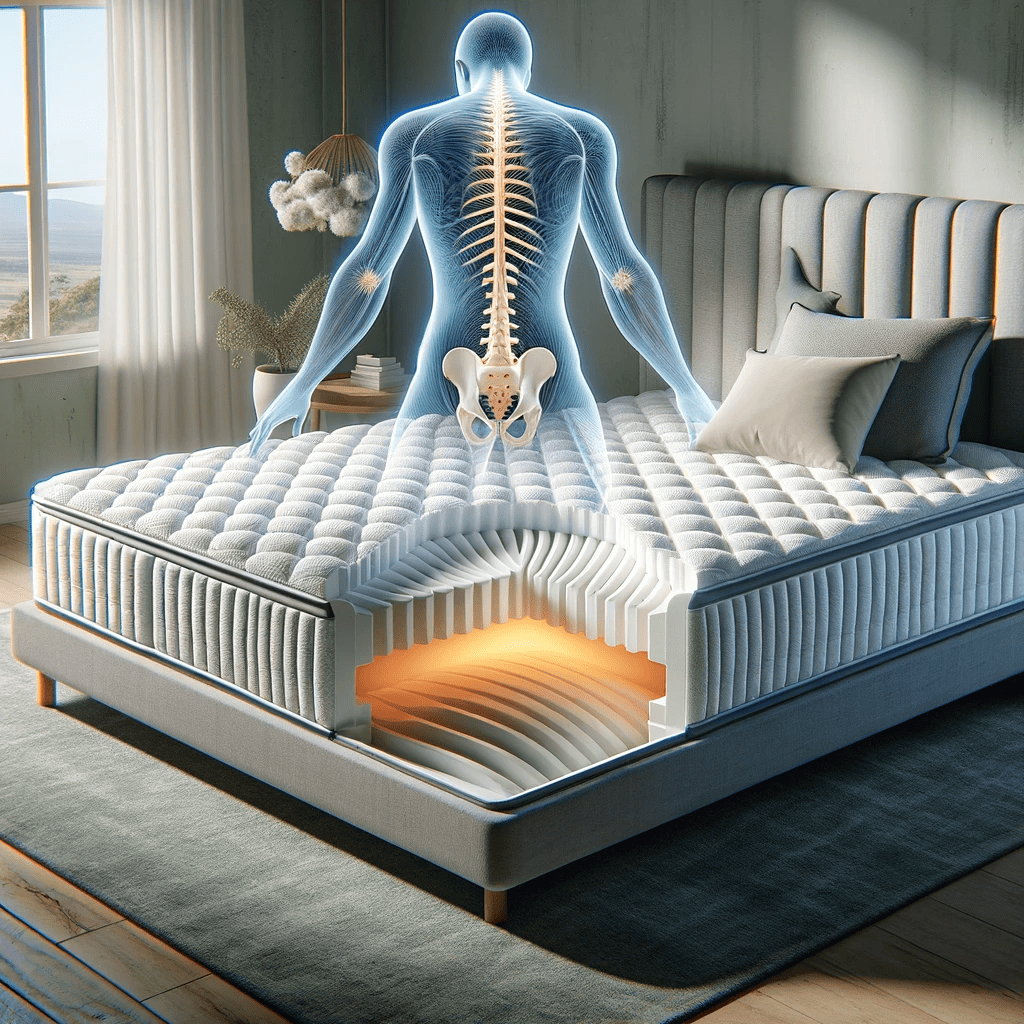
Proper spinal alignment is crucial for pain relief in individuals with Piriformis Syndrome. The mattress should provide adequate support to maintain the natural curvature of the spine.
Medium-firm mattresses are considered the ideal choice as they offer a balance between comfort and support. They help distribute body weight evenly, preventing excessive sinking into the mattress that could strain the piriformis muscle.
Pressure Relief
The role of pressure points in exacerbating pain cannot be underestimated for those with Piriformis Syndrome. Mattresses that offer pressure relief can alleviate discomfort by reducing pressure on sensitive areas such as hips and buttocks.
Memory foam mattresses are particularly suitable for this purpose. Their ability to conform to body contours allows for even weight distribution, relieving pressure on specific points and minimizing pain caused by prolonged compression.
Motion Isolation
Understanding how movement transfer can affect sleep quality is essential when selecting a mattress for individuals with Piriformis Syndrome. A mattress that isolates motion effectively ensures that movements from one side of the bed do not disturb the other sleeper, allowing uninterrupted restorative sleep.
This becomes especially important if sharing a bed with a partner or pet who tends to move frequently during the night. Opting for mattresses with good motion isolation properties can significantly improve sleep quality and overall comfort levels, which is vital for managing Piriformis Syndrome effectively.
Memory Foam Mattresses
Memory foam technology provides numerous benefits for individuals with Piriformis Syndrome. The material is designed to conform to the body’s shape, offering targeted support where it is needed most. This feature helps alleviate pressure points and reduces discomfort caused by the syndrome.
By molding itself to the contours of the body, memory foam helps distribute weight evenly, preventing any additional strain on the piriformis muscle. The result is better spinal alignment and reduced pain during sleep.
Latex Mattresses
Latex mattresses are an excellent choice for individuals with Piriformis Syndrome due to their natural resilience and pressure-relieving properties. The latex material is known for its ability to bounce back quickly, providing consistent support throughout the night.
This feature ensures that your spine remains properly aligned, promoting a more comfortable sleeping position for those experiencing piriformis pain. Additionally, latex mattresses have inherent hypoallergenic properties, making them resistant to dust mites and mold, which can be beneficial for individuals with respiratory sensitivities.
Hybrid Mattresses

Hybrid mattresses combine the best aspects of memory foam, latex, and innerspring technologies to offer enhanced support, pressure relief, and durability. With a hybrid mattress, you can experience the contouring benefits of memory foam or latex layers while still enjoying the responsiveness and bounce provided by an innerspring system.
This combination allows for optimal comfort and reduced pain associated with Piriformis Syndrome. Hybrid mattresses typically have pocketed coils that isolate motion transfer effectively while providing targeted support where it’s needed most.
Additional Considerations when Choosing a Mattress for Piriformis Syndrome
The impact of temperature on sleep quality
High temperatures can significantly affect the quality of sleep for individuals with Piriformis Syndrome. When the body gets too hot during the night, it can lead to discomfort and restlessness, exacerbating the pain caused by the syndrome.
Sweating and feeling overheated can disrupt sleep patterns, making it difficult to achieve a deep and restful slumber. Thus, it is crucial to consider temperature regulation when choosing a mattress for Piriformis Syndrome.
Cooling
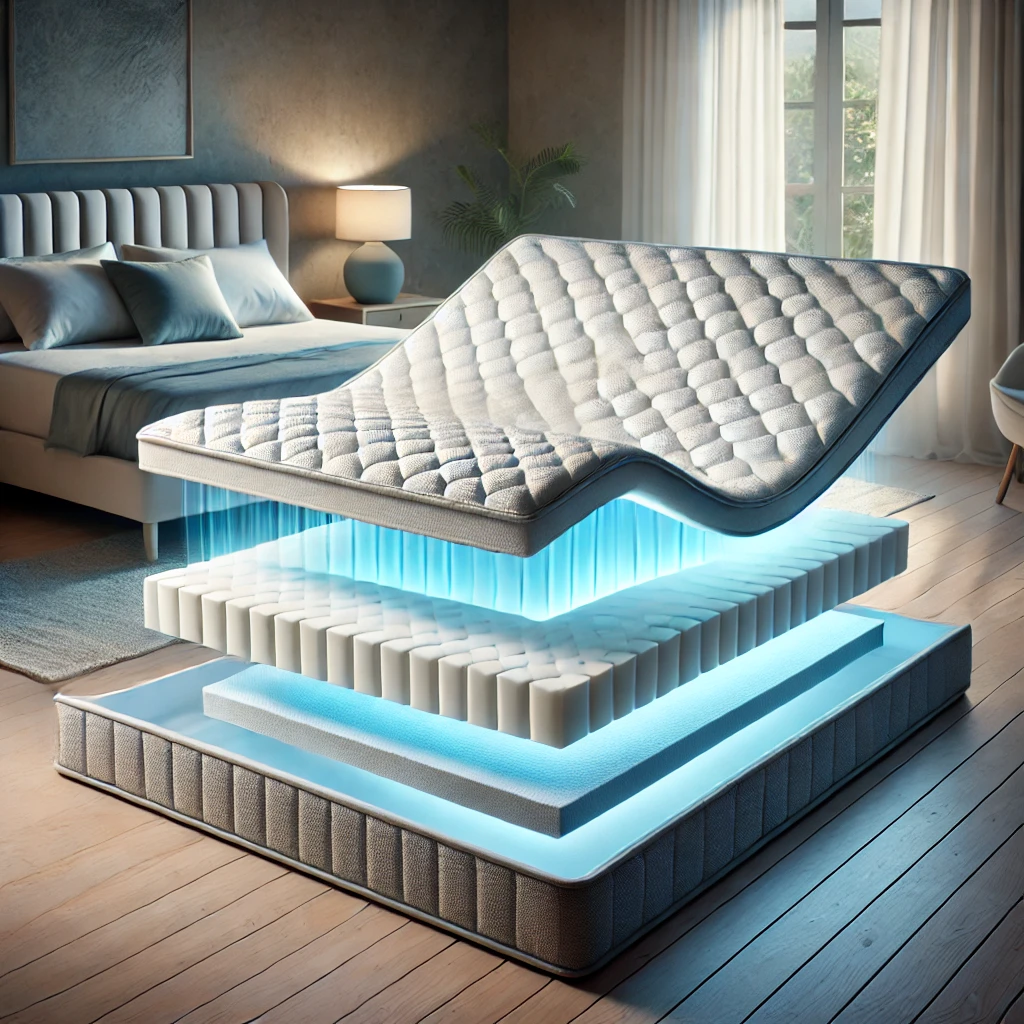
To address temperature-related concerns, mattresses with cooling technologies are an excellent choice for individuals with Piriformis Syndrome. These mattresses are designed to promote airflow and regulate body heat, allowing for a cooler sleeping environment.
Some cooling features include gel-infused memory foam layers that dissipate heat more efficiently or breathable materials that facilitate air circulation throughout the mattress. By maintaining a comfortable temperature during sleep, these cooling mattresses can help reduce discomfort and enhance sleep quality for those with Piriformis Syndrome.
Conclusion
Choosing the right mattress is crucial for individuals with Piriformis Syndrome as it directly impacts their comfort and quality of sleep. By considering factors like support, pressure relief, motion isolation, and temperature regulation, suitable mattresses can be identified that alleviate pain while promoting better sleep. Opting for medium-firm memory foam or latex mattresses offers optimal support and pressure relief while also conforming to body shape effectively.
Additionally, hybrid mattresses combining different technologies provide enhanced benefits in terms of supportiveness, durability, and pressure relief. Considering temperature regulation is equally important in ensuring comfort during sleep.
Selecting a mattress with cooling features helps maintain an ideal sleeping temperature by allowing proper airflow and reducing overheating or sweating issues commonly experienced by individuals with Piriformis Syndrome. By making an informed choice and prioritizing these considerations, individuals with Piriformis Syndrome can optimize their sleep environment and experience improved rest, leading to better overall well-being.