Introduction

Choosing the right mattress is crucial for getting a good night’s sleep. It directly impacts our comfort, support, and overall health. With numerous options available in the market, it can be overwhelming to make a decision.
The Importance of Choosing the Right Mattress

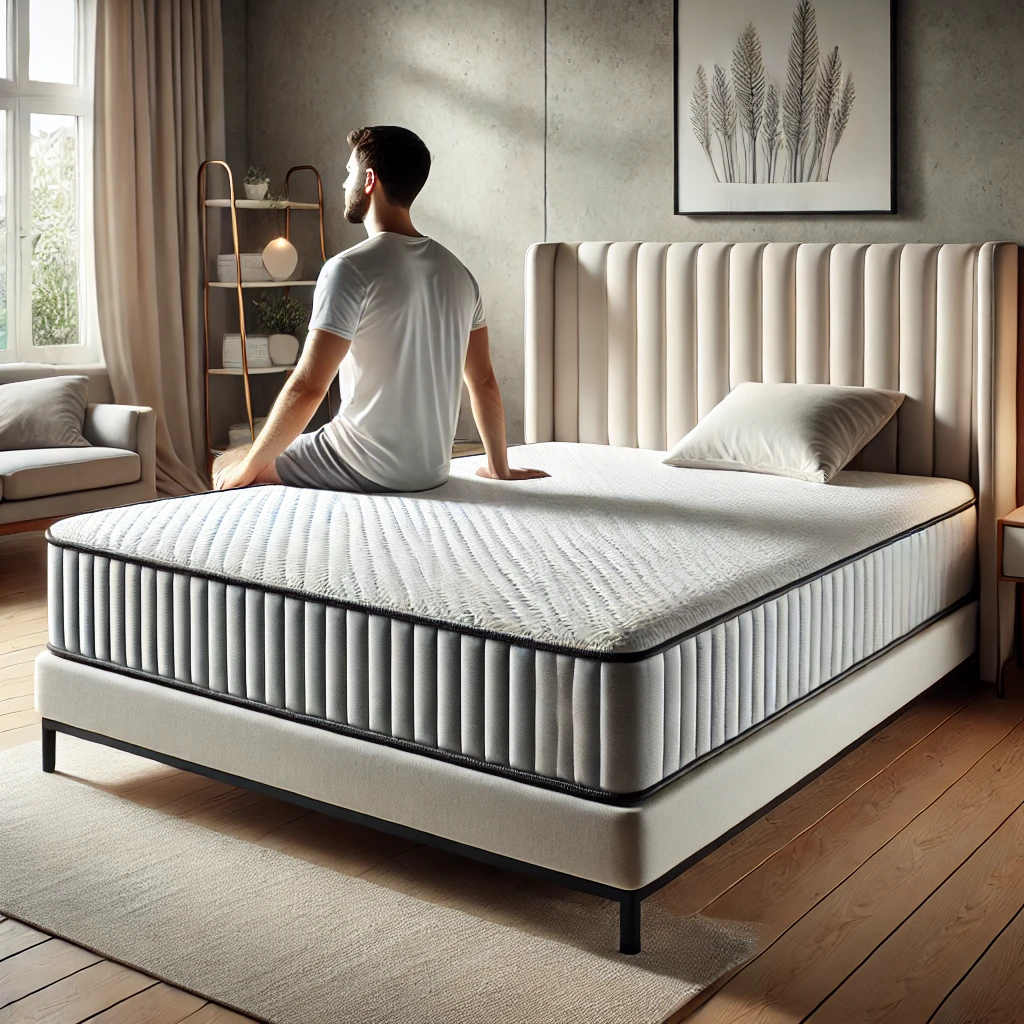
A mattress plays a significant role in ensuring proper spinal alignment and relieving pressure points throughout the body. It affects sleep quality and can alleviate or exacerbate back pain or joint stiffness. A well-suited mattress promotes healthy sleep posture, allowing muscles to relax and rejuvenate at night.
Latex and Foam Mattresses as Popular Options
Latex mattresses have gained popularity due to their unique natural or synthetic latex construction. Natural latex is derived from rubber tree sap, while synthetic latex is made through chemical processes.
These mattresses come in two variations: Dunlop or Talalay manufacturing methods, each offering different firmness levels. Foam mattresses are another popular choice known for their ability to contour to the body’s shape.
Memory foam molds itself around pressure points, providing customized support that cradles the sleeper. Polyurethane foam is commonly used in foam mattresses. It comes in different densities: low-density for a softer feel, medium-density for balanced comfort, and high-density for increased durability.
Both latex and foam mattresses have distinctive qualities that cater to various preferences and needs. Understanding their differences will help you decide when selecting your ideal mattress.
Latex Mattresses

Definition and Composition of Latex Mattresses
Latex mattresses are made from natural or synthetic latex. Natural latex is derived from the sap of rubber trees, while synthetic latex is produced using chemical compounds. The composition of a latex mattress typically includes a core made of latex foam, which can be either natural or synthetic, surrounded by cushioning material.
Natural Latex vs. Synthetic Latex
Natural latex is preferred by many due to its organic nature and sustainable sourcing. It offers a more eco-friendly option for those concerned about the environment. On the other hand, synthetic latex is manufactured using petroleum-based materials and may have a higher carbon footprint.
Dunlop vs. Talalay Latex Manufacturing Processes
Two main manufacturing processes are used for producing latex foam: Dunlop and Talalay.
The Dunlop process involves whipping liquid latex and pouring it into a mold before being baked to solidify it. This results in a denser foam that provides firmer support. In contrast, the Talalay process involves vacuum-sealing liquid latex and freezing it before it is baked. This produces a lighter, more breathable foam with increased softness.
Benefits of Latex Mattresses
Exceptional durability and longevity:
- Latex mattresses have an impressive lifespan, often lasting up to 15 years or more with proper care.
Excellent motion isolation properties for undisturbed sleep:
- The elasticity of latex absorbs movement effectively, reducing disturbances caused by restless partners.
Natural hypoallergenic qualities for allergy sufferers:
- Latex mattresses are resistant to dust mites, mold, and mildew, making them an excellent choice for individuals with allergies.
- Enhanced breathability and temperature regulation: The open-cell structure of latex allows air circulation within the mattress, promoting a cooler sleep environment.
Definition and Composition of Foam Mattresses
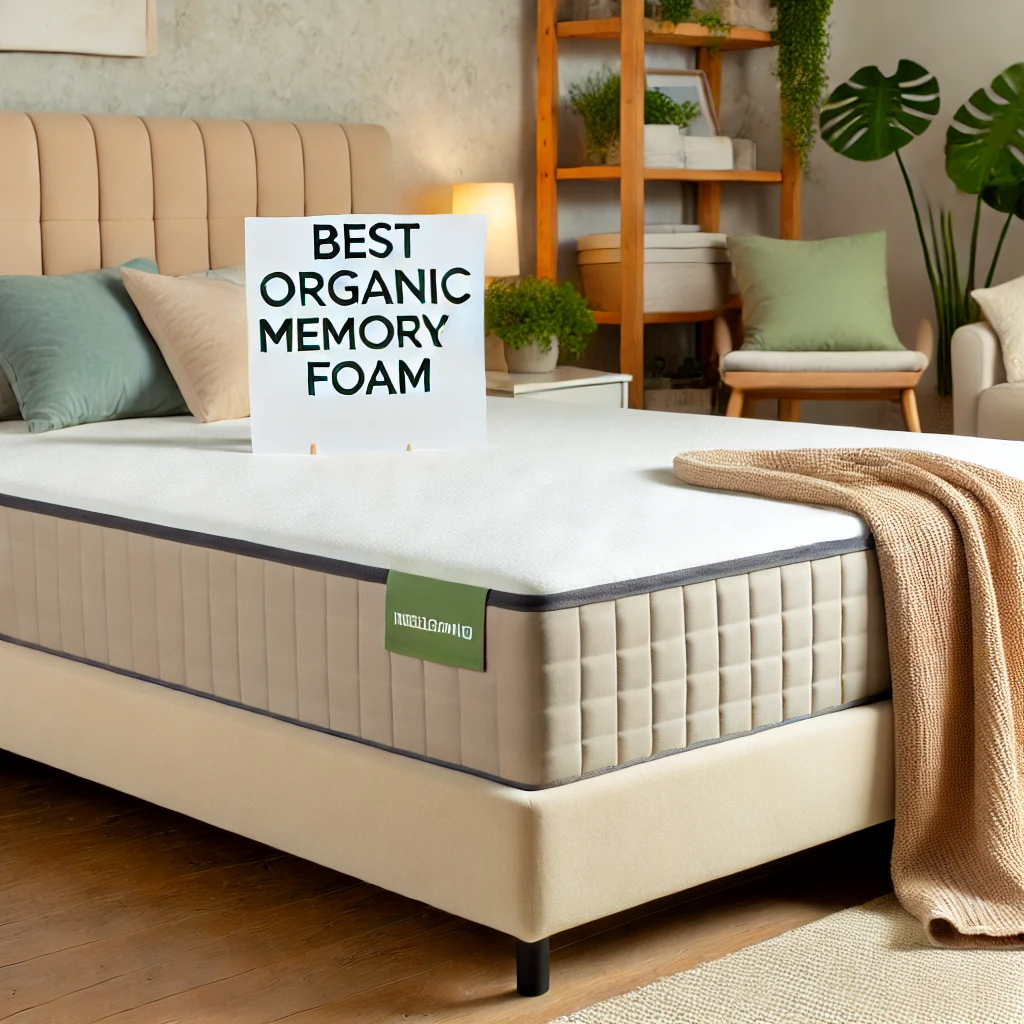
Foam mattresses are made from various foam materials that provide support and comfort. These mattresses typically consist of layers of foam, each with its unique properties. The primary types of foam used in these mattresses are memory foam and polyurethane foam.
Memory Foam vs Polyurethane Foam
Memory foam, also known as viscoelastic foam, is a polyurethane foam chemically modified to increase viscosity and density. It is known for its ability to contour to the body’s shape, providing personalized support and pressure relief.
Polyurethane foam, on the other hand, refers to a range of foams made from polymer compounds. Unlike memory foam, polyurethane foams do not have the same level of memory or contouring capabilities.
Density Levels: Low, Medium, High-Density Foams
Foam mattresses come in different density levels, affecting their overall feel and performance. Low-density foams are soft and plush but may lack durability and support.
Medium-density foams balance comfort and support, making them a popular choice for many individuals. High-density foams offer exceptional durability and support but may feel firmer than lower-density options.
Gel-Infused Foam for Cooling Effects
Gel-infused foam is an innovation in mattress technology that aims to address the issue of heat retention commonly associated with traditional memory foam. Gel beads or particles are mixed into the foam material during manufacturing, which helps dissipate body heat more effectively than standard memory foam alone.
Benefits of Foam Mattresses
Foam mattresses offer several benefits that make them appealing to consumers. Firstly, their contouring support provides excellent pressure relief by adapting to the body’s shape, reducing the risk of developing pressure points.
Secondly, they are known for their exceptional motion isolation properties, meaning that movement on one side of the bed is not easily felt on the other, making them ideal for couples. Foam mattresses are often more affordable than other mattress types, such as latex or hybrid options, making them a budget-friendly choice for those seeking comfort and support without breaking the bank.
Comparison between Latex and Foam Mattresses
Support and Comfort
Latex mattresses provide natural responsiveness, buoyancy, and bounce. They offer a spring-like feel that responds to your body’s movements, providing optimal support.
On the other hand, foam mattresses excel in contouring ability and pressure relief. The foam conforms to your body’s shape, relieving pressure points and promoting spinal alignment for a comfortable sleep experience.
Durability and Longevity
Latex mattresses are known for their exceptional durability, outlasting foam mattresses significantly. With proper care, latex mattresses can last up to twice as long as foam mattresses.
They retain their shape and support over time, making them a long-term investment. Foam mattresses are less durable than latex but offer good longevity with proper usage and maintenance.
Temperature Regulation
Latex mattresses have a naturally breathable structure with open cells that allow air circulation throughout the mattress. This helps dissipate heat and maintain an optimal sleep temperature throughout the night.
Foam mattresses, on the other hand, may encounter heat retention issues due to their dense composition. However, advancements like gel-infused foams help alleviate some of these concerns by providing additional cooling properties.
Conclusion
When comparing latex and foam mattresses, both options have their unique advantages. Latex excels in support, comfort, durability, and temperature regulation. Its natural qualities make it an excellent choice for those seeking a long-lasting mattress with buoyancy and breathability.
Foam mattresses offer exceptional contouring abilities for pressure relief at an affordable price. Still, they may need to match the durability of latex. Choosing between latex or foam depends on individual preferences regarding feel and desired lifespan.
Whether you choose, investing in a high-quality mattress will ensure restful nights and improved overall well-being.