Introduction

The Foundation of Good Health: Sleep and its Impact
Sleep plays a vital role in our overall health and well-being. During sleep, our bodies repair, recharge, and rejuvenate themselves.
Adequate sleep refreshes us, strengthens our immune system, improves mental clarity, and enhances cognitive function. On the other hand, lack of proper sleep can have serious consequences on our physical and mental health.
A Common Predicament: The Prevalence of Sleep Disorders
Sleep disorders such as sleep apnea and insomnia are remarkably prevalent in society today. Sleep apnea is characterized by repeated interruptions in breathing during sleep, while insomnia refers to difficulty falling or staying asleep. These disorders can cause daytime fatigue, mood disturbances, impaired concentration, and a compromised quality of life.
Exploring the Role of Mattresses in Alleviating Sleep Disorders
Considering the impact of proper sleep on our overall well-being and the prevalence of sleep disorders like sleep apnea and insomnia, exploring potential solutions for their alleviation is essential. One such solution that has gained attention is the role of mattresses in improving sleep quality for individuals with these disorders. By understanding how mattresses can address specific needs related to these conditions, we can find relief from symptoms and improve overall restfulness.
Understanding Sleep Apnea

The Silent Struggle: Definition and Symptoms of Sleep Apnea
Sleep apnea, a common yet often undiagnosed sleep disorder, involves repeated interruptions in breathing during sleep. Individuals with sleep apnea experience pauses in their breathing patterns, known as apneas, which can last from a few seconds to minutes. These interruptions are caused by the relaxation or collapse of the airway muscles, obstructing the normal airflow.
As a result, oxygen levels drop, and carbon dioxide levels rise, leading to disrupted sleep cycles. Sleep apnea symptoms may vary but commonly include loud snoring, excessive daytime drowsiness or fatigue despite adequate hours in bed, abrupt awakenings accompanied by gasping or choking sensations, morning headaches, dry mouth, or sore throat upon waking up.
It is important to note that individuals may only sometimes be aware of these symptoms as they occur during sleep. Therefore, it becomes crucial for partners or family members to notice and report these signs for proper diagnosis.
Unveiling the Types: Obstructive, Central, and Complex Sleep Apnea
Sleep apnea can be categorized into three main types: obstructive sleep apnea (OSA), central sleep apnea (CSA), and complex mixed sleep apnea. Obstructive Sleep Apnea (OSA) is the most common form, where the airway becomes blocked due to relaxed throat muscles or excess tissue narrowing the air passage.
This obstruction results in repeated pauses in breathing throughout the night. Central Sleep Apnea (CSA) occurs when there is a lack of effort from the brain’s respiratory control center to send signals for breathing.
Unlike OSA, which involves physical obstructions within the airways, CSA originates from dysfunctional communication between the brain and respiratory muscles. Complex Mixed Sleep Apnea combines elements of both OSA and CSA.
Initially, it begins with central apneas but transitions into obstructive apneas over time. This type of sleep apnea is complex and often requires specialized treatment approaches.
A Waking Nightmare: Impact of Sleep Apnea on Quality of Life and Health Risks
Sleep apnea can have severe consequences on an individual’s quality of life if left untreated. The interrupted sleep caused by frequent awakenings to resume breathing disrupts the natural sleep cycles, preventing adequate restorative rest.
As a result, individuals with sleep apnea often experience excessive daytime drowsiness, difficulty concentrating, decreased cognitive function, and impaired performance in daily activities. In addition to the impact on daily functioning, untreated sleep apnea poses significant health risks.
The decreased oxygen levels during the night put a strain on the cardiovascular system, increasing the likelihood of developing high blood pressure (hypertension), heart disease, irregular heart rhythms (arrhythmias), or even stroke. Moreover, studies have also linked untreated sleep apnea to an increased risk of diabetes, metabolic disorders like obesity and insulin resistance, as well as mental health issues such as depression and anxiety.
Understanding the definition of sleep apnea and its symptoms is crucial for early detection and appropriate medical intervention. Recognizing different types of sleep apnea and its detrimental effects can pave the way for more targeted therapeutic strategies to improve sleep quality and overall health outcomes.
The Role of Mattresses in Sleep Apnea Management
Promoting Proper Alignment and Breathing during Sleep
Mattresses play a crucial role in managing sleep apnea by offering supportive features that promote proper alignment and breathing during sleep. These features help individuals with sleep apnea maintain a more optimal sleeping position, reducing the risk of airway obstructions.
Mattresses with appropriate firmness levels are essential, providing adequate support to keep the body aligned without sinking too deeply. By keeping the spine properly aligned, these mattresses prevent airway blockages when the neck and head are positioned incorrectly.
Suitable Firmness Levels for Individuals with Sleep Apnea
When it comes to sleep apnea management, choosing a mattress with the right firmness level is crucial. Medium-firm mattresses are often recommended for individuals with sleep apnea as they balance support and comfort.
This firmness level helps maintain proper spinal alignment while alleviating pressure points throughout the body. A too soft mattress may cause excessive sinking, potentially obstructing airways and exacerbating sleep apnea symptoms. In contrast, an overly firm mattress may create discomfort and strain on pressure points if provided sufficient contouring.
Relieving Pressure Points, Especially around the Airways
Contouring properties in mattresses are particularly beneficial for individuals with sleep apnea as they help relieve pressure points, especially around the airways. Memory foam mattresses excel in this area by conforming to the body’s shape and distributing weight evenly across their surface.
By doing so, memory foam mattresses reduce concentrated pressure on specific areas like the shoulders or hips, which can obstruct airflow when compressed against them. This enhanced contouring allows for better circulation and reduced strain on key regions like the throat or chest.
Enhanced Breathability through Materials like Latex or Gel-Infused Foam
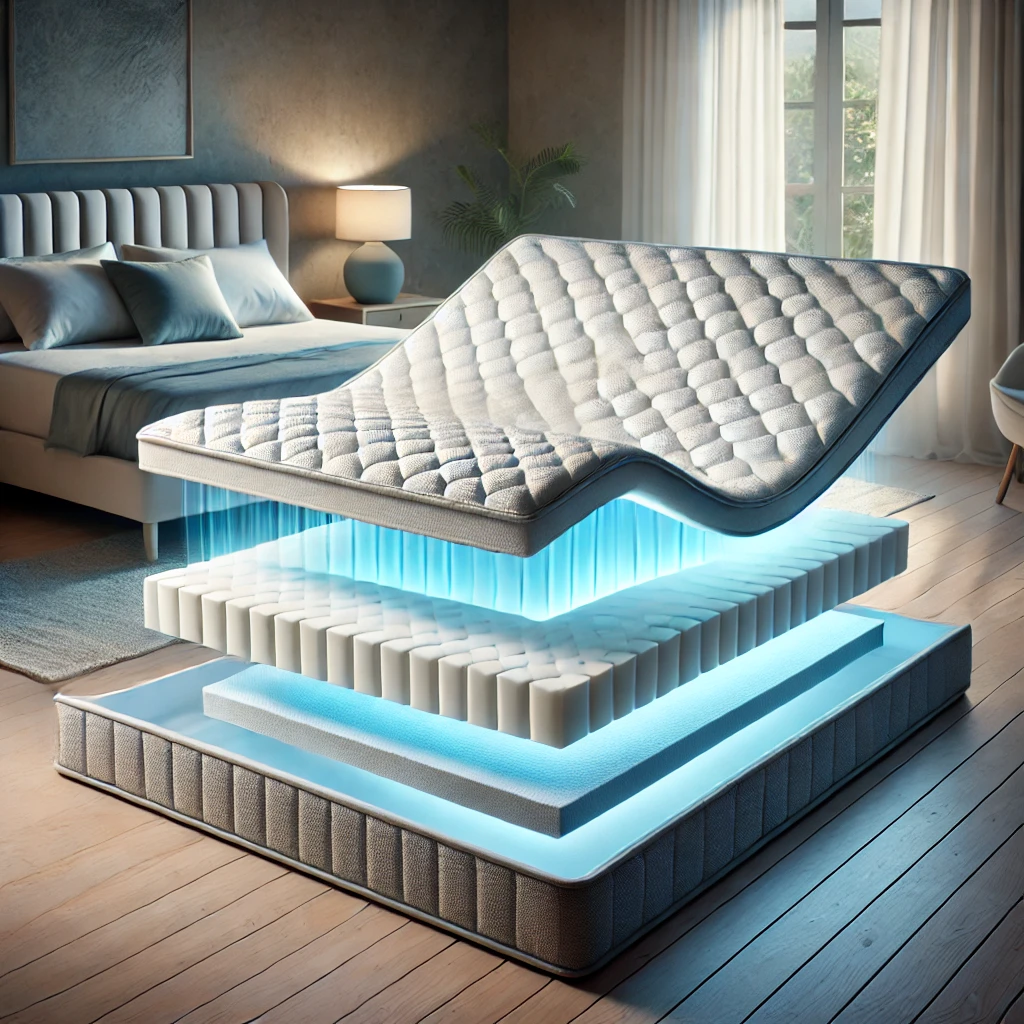
Materials like latex or gel-infused foam contribute to the enhanced breathability of mattresses, making them beneficial for individuals with sleep apnea. Latex mattresses are naturally breathable due to their open-cell structure, allowing for increased airflow and moisture wicking. On the other hand, gel-infused foam incorporates cooling properties that dissipate heat and prevent excessive temperature buildup, promoting a cooler sleeping environment.
These materials help reduce sweat and maintain a comfortable body temperature throughout the night, minimizing potential disturbances in breathing caused by excessive heat or discomfort. Overall, mattresses with supportive features, suitable firmness levels, contouring properties, and enhanced breathability can significantly contribute to managing sleep apnea by promoting proper alignment and breathing during sleep.
Insomnia: Causes and Consequences
Definition and common causes of insomnia
Insomnia, a sleep disorder characterized by difficulty falling or staying asleep, affects a significant portion of the population. Various factors can contribute to the development of insomnia, including underlying medical conditions, psychological issues, and lifestyle choices. Identifying these causes is crucial for effective management.
Stress, anxiety, or depression
Stress, anxiety, and depression are among the leading causes of insomnia. When individuals experience high levels of stress or face persistent worries and racing thoughts due to anxiety or depression, it becomes challenging for them to relax their minds and bodies enough to fall asleep. The emotional burden can disrupt normal sleep patterns and lead to chronic insomnia if not addressed promptly.
Environmental factors (noise, temperature)
External environmental factors can significantly impact the quality of sleep one receives. Noise pollution from traffic, neighbors, or electronic devices can disturb sleep onset or cause frequent awakenings throughout the night. Similarly, extreme temperatures can make it uncomfortable for individuals to maintain an optimal environment conducive to restful sleep.
Poor sleep hygiene habits
Poor sleep hygiene habits refer to practices that interfere with regular sleep patterns or undermine the body’s natural ability to fall asleep. These habits may include irregular bedtime routines, excessive consumption of caffeine or alcohol close to bedtime, engaging in stimulating activities in bed (such as working on electronic devices), or not maintaining a comfortable sleeping environment.
Negative impact on daytime functioning and overall well-being
Insomnia has far-reaching consequences beyond nighttime difficulties. The persistent lack of adequate sleep negatively impacts daytime functioning in various ways. Fatigue caused by insomnia impairs cognitive function, such as memory recall and decision-making abilities, while increasing irritability and mood disturbances.
Additionally, inadequate restorative sleep can weaken the immune system, increase the risk of accidents, and contribute to chronic health conditions if left unaddressed. Thus, addressing insomnia comprehensively is essential for overall well-being and quality of life.
Mattresses for Insomnia Relief
Comfort features promote relaxation and reduce anxiety
Memory foam mattresses relieve pressure by contouring the body’s shape, reducing stress on pressure points such as the hips, shoulders, and spine. The viscoelastic properties of memory foam allow it to respond to body heat and weight, creating a personalized and supportive sleep surface. This can help individuals with insomnia achieve a more comfortable and relaxed state, facilitating the onset of sleep.
In addition to memory foam, mattresses made with temperature-regulating materials like cooling gel or breathable fabrics can contribute significantly to insomnia relief. Cooling gel infused within the mattress helps dissipate excess body heat, preventing overheating during sleep.
This cooling effect can be particularly beneficial for individuals who struggle with night sweats or hot flashes that often disrupt sleep. Breathable fabrics in the mattress promote air circulation and ventilation, reducing humidity levels and creating a more comfortable microclimate conducive to better sleep quality.
Motion isolation properties to prevent disturbances from partner movements
One common challenge faced by individuals with insomnia is being easily awakened or disturbed by their partner’s movements during the night. Mattresses designed with motion isolation properties can help minimize these disruptions.
These mattresses absorb movement rather than transferring it across the bed surface by incorporating technologies such as individually wrapped coils or specialized foam layers. Individually wrapped coils work independently from one another, allowing them to react individually to pressure.
This means that when one person moves on their side of the bed, their movements won’t be transmitted to the other person’s side as much. Similarly, foam layers with motion isolation properties absorb vibrations caused by movement and prevent them from spreading across the mattress surface.
By reducing motion transfer, mattresses with motion isolation capabilities create a more stable sleeping environment for individuals struggling with insomnia due to partner disturbances. This allows for uninterrupted rest and promotes a deeper, more restorative sleep experience.
Emerging Technologies in Mattress Design for Sleep Disorders
Smart mattresses with advanced monitoring capabilities
1. Smart mattresses are equipped with sensors and technology to monitor various aspects of sleep.
2. These mattresses can track respiratory patterns during sleep, providing valuable information about sleep quality and potential disruptions.
3. The sensors embedded in the mattress can detect changes in breathing patterns, such as pauses or irregularities, which may indicate sleep apnea or other respiratory disorders.
4. This technology allows individuals to gain insights into their sleep patterns without needing external devices or invasive monitoring methods.
Adjustable firmness
1. Adjustable firmness is another innovative feature in some mattresses that helps manage sleep disorders.
2. With this technology, individuals can customize the firmness level of their mattress to suit their specific needs and preferences.
3. adjusting the firmness can relieve and improve overall comfort during sleep for those with conditions like insomnia or chronic pain.
4. By finding an optimal level of firmness that supports proper spinal alignment and reduces pressure points, individuals can enhance their sleeping experience.
Conclusion
Innovation in mattress design has opened up new possibilities for managing sleep disorders such as sleep apnea and insomnia. Smart mattresses with advanced monitoring capabilities allow individuals to gain valuable insights into their respiratory patterns during sleep without invasive procedures or external devices. Tracking these patterns can aid in the early detection and treatment of conditions like sleep apnea, promoting better health outcomes.
Additionally, adjustable firmness features in some mattresses provide customizable comfort options that cater to individual needs, offering relief from chronic pain or discomfort associated with certain conditions. This advancement in mattress technology gives hope for improved quality of life by enhancing the overall sleeping experience and addressing specific challenges individuals with sleep disorders face.
With further research and development, we may witness even more innovative solutions to improve sleep and well-being. Remember, a good night’s sleep is essential for optimal health, and these advancements bring us closer to achieving that.