Introduction
The Key to a Restful Sleep: Cleaning and Caring for Your Mattress
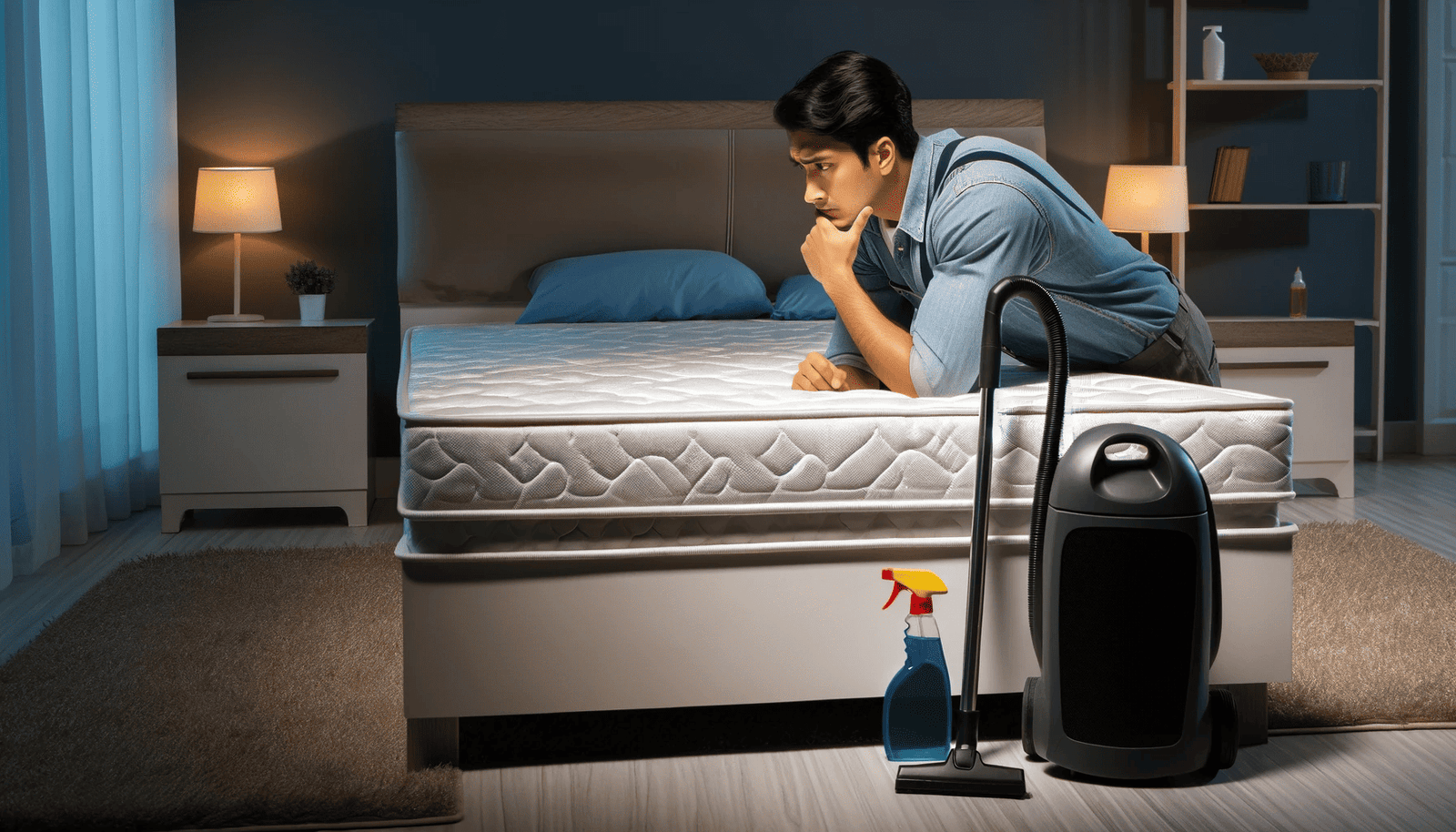
Properly cleaning and caring for your mattress is essential for a good night’s sleep. Neglecting this important task can lead to various issues, including discomfort, allergies, and even the premature deterioration of your mattress. You can enjoy the benefits of a clean and well-maintained sleeping surface by dedicating time and effort to maintaining your mattress.
Importance of Cleaning and Caring for Your Mattress

Regularly cleaning your mattress is crucial because it accumulates dust mites, dead skin cells, sweat, and other bodily fluids over time. These unsavory elements create an unhygienic sleeping environment and trigger allergies or respiratory problems in susceptible individuals.
Additionally, neglecting proper care can lead to mold or mildew growth due to moisture buildup. This not only affects the quality of sleep but also poses health risks.
Benefits of a Clean and Well-Maintained Mattress
A clean mattress offers numerous advantages that contribute to your overall well-being. Firstly, it promotes better hygiene by eliminating allergens that may cause discomfort or allergic reactions while you sleep. Secondly, cleaning removes unpleasant odors that could affect the quality of your rest.
Moreover, maintaining your mattress prolongs its lifespan by preventing excessive wear and tear caused by dirt or stains. A well-cared-for mattress ensures optimal comfort throughout its years of use, enabling you to wake up feeling refreshed each morning.
Understanding the Composition of Your Mattress:
Different types of mattresses:
- Innerspring mattresses provide support through a system of metal coils or springs.
- Memory foam mattresses contour to your body, relieving pressure points.
- Latex mattresses are made from natural or synthetic rubber and are known for their durability and bounce.
Layers and materials used in mattresses:
- Most mattresses have multiple layers, including a comfort, support, and base layer.
- The comfort layer typically consists of materials like memory, latex, or pillow-top padding for added softness.
- The support layer often includes coils or high-density foam to provide stability and distribute weight evenly.
- The base layer provides overall support to the mattress.
Understanding the composition of your mattress is essential as it allows you to make informed decisions about cleaning methods and maintenance. Whether you have an innerspring mattress that requires regular flipping or a memory foam mattress that needs gentle care, knowing the different types and layers helps you tailor your cleaning routine accordingly.
Regular maintenance routine for your mattress

Step-by-step guide to cleaning your mattress
To keep your mattress clean and fresh, follow these steps:
1. Remove bedding and strip off all sheets, pillowcases, and mattress protectors.
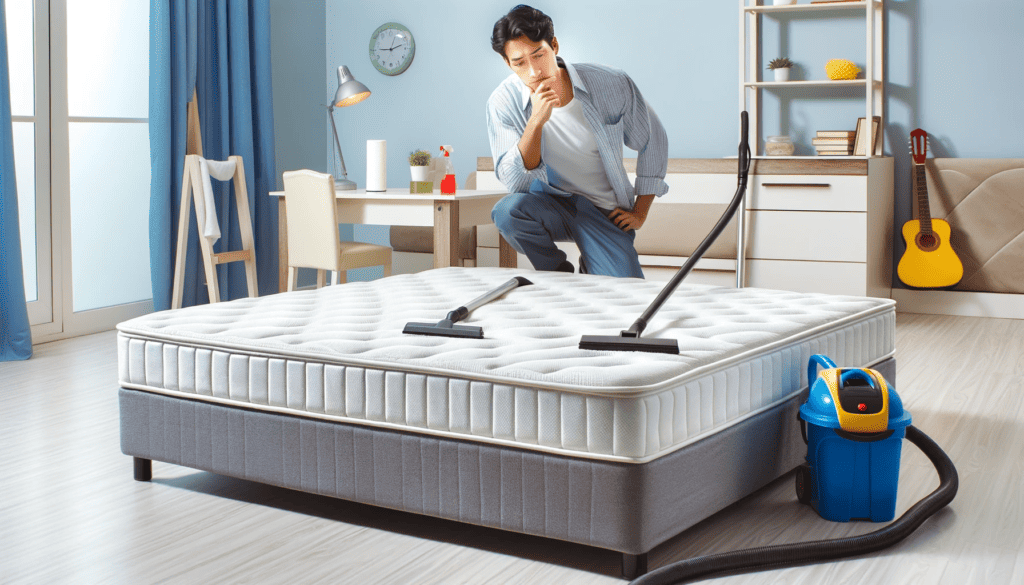
2. Vacuum the surface of the mattress using an upholstery attachment to remove dust, dirt, and debris.
3. Inspect the mattress for any visible stains or spots.
Removing bedding and vacuuming the surface
Before cleaning your mattress, remove all bedding materials, such as sheets, pillowcases, and any additional layers covering the mattress. This will provide better access to the surface of the mattress for thorough cleaning. Use a vacuum cleaner with an upholstery attachment to remove dust particles, pet hair, dead skin cells, or any other debris that may have accumulated on the surface of your mattress over time.
Spot-treating stains with appropriate cleaners
Suppose you notice any stains on your mattress while inspecting it during cleaning. In that case, it is important to spot-treat them promptly. Start by identifying the type of stain you are dealing with; common examples include blood, urine, or beverage spills.
Consult specific guidelines provided by manufacturers or experts regarding suitable cleaners for each type of stain. Apply a small amount of recommended cleaner directly onto a clean cloth or sponge and gently dab at the stained area without rubbing forcefully.
Deodorizing the mattress using natural methods or commercial sprays
To eliminate odors from your mattress and keep it smelling fresh, there are several options available:
- Natural methods: Sprinkle baking soda liberally over the entire surface of your cleaned and dry bed; let it sit undisturbed for at least 30 minutes (or longer if possible) to absorb odors. Then, thoroughly vacuum up all traces of baking soda.
- Commercial sprays: Choose a mattress deodorizing spray specifically formulated for this purpose, following the instructions provided by the manufacturer. Apply evenly over the mattress surface and allow it to dry completely before remaking the bed.
Flipping or rotating the mattress to ensure even wear
To promote even wear and extend the lifespan of your mattress, it is recommended to flip or rotate it regularly. This helps distribute body weight and pressure evenly across different mattress areas. Check with your specific mattress manufacturer for guidelines on flipping or rotating frequency and any specific instructions for your particular mattress model.
Steam Cleaning: How to Effectively Use Steam to Sanitize Your Mattress
Using steam is an effective method for deep cleaning and sanitizing your mattress. Start by preparing the steam cleaner according to the manufacturer’s instructions. Ensure it is filled with clean water and heated to the appropriate temperature.
Once ready, hold the steam cleaner a few inches above the surface of your mattress and move it in slow, overlapping passes from one end to the other. The high steam temperature will help kill dust mites, bacteria, and other allergens in your mattress.
Benefits of Steam Cleaning Over Traditional Methods
Steam cleaning offers several advantages compared to traditional cleaning methods. Firstly, it doesn’t require harsh chemicals or detergents that may leave residues or irritate sensitive skin.
The high-temperature steam itself is sufficient for effective disinfection and sanitization. Additionally, unlike traditional methods involving excessive scrubbing or soaking, steam cleaning is gentler on your mattress material and reduces the risk of damage.
Precautions and Considerations When Using Steam Cleaners
While steam cleaning can be highly effective in deep cleaning your mattress, it is important to take some precautions. Before starting, check if your mattress manufacturer provides specific guidelines or warnings regarding steam cleaning.
Follow these instructions accordingly to avoid any potential damage or voiding warranties. When using a steam cleaner on your mattress, maintain a steady pace as you move across its surface.
Avoid applying excessive moisture or saturating any particular area for too long, as this can lead to over-wetting and potential mold growth. Remember not to use a steam cleaner on mattresses with memory foam components, as excessive moisture can damage their structure.
Wear protective gloves if necessary when handling hot surfaces during and after steaming. Following these precautions and using proper steam cleaning techniques, you can effectively sanitize your mattress and maintain a clean sleeping environment.
Addressing Specific Issues and Challenges
Dealing with Dust Mites, Bed Bugs, and Allergens
To maintain a clean and hygienic mattress, addressing common issues such as dust mites, bed bugs, and allergens is crucial. These microscopic creatures can cause discomfort and negatively impact your sleep quality. Regular cleaning and preventive measures are key.
Prevention Tips to Minimize Infestations
Preventing infestations begins with keeping your sleeping environment clean. Start by regularly washing your bedding in hot water to kill potential pests.
Vacuuming your mattress, especially in its crevices, helps remove debris that may attract these unwanted guests. Additionally, using dust mite-proof covers on your mattress and pillows creates a barrier that prevents their proliferation.
Effective Ways to Eliminate These Pests If They Are Present
Suppose you discover signs of dust mites or bed bugs on your mattress. In that case, swift action is necessary to eliminate them effectively. One method involves using a vacuum cleaner with strong suction power to capture the pests from the surface of the mattress.
Washing all bedding materials in hot water can also help eradicate any remaining insects or eggs. For more severe infestations, professional pest control services may be required.
These experts have specialized tools and treatments tailored to eliminate bed bugs or dust mites safely and efficiently. Seeking professional assistance ensures thorough eradication while minimizing potential health risks associated with pesticide use.
Addressing specific issues like dust mites, bed bugs, and allergens requires regular cleaning routines and preventive measures such as frequently washing bedding materials in hot water and using protective covers on mattresses and pillows. Swift action is essential when dealing with infestations; vacuuming the mattress thoroughly or seeking professional pest control services are effective methods for eradication while ensuring a healthy sleep environment.
Maintaining longevity and extending the lifespan of your mattress
Proper positioning: Tips on placing your mattress correctly on a bed frame or foundation
1. Place the mattress on a sturdy bed frame or foundation that provides adequate support and prevents sagging.
2. Ensure that the mattress is centered and aligned properly on the bed frame to distribute weight evenly.
3. Avoid placing the mattress directly on the floor, as it can restrict air circulation and lead to moisture buildup.
4. Use a non-slip grip or rubber mat between the mattress and bed frame to prevent it from sliding or shifting.
Using protective covers: The benefits of investing in waterproof or hypoallergenic covers
1. Invest in a waterproof cover to protect your mattress from spills, accidents, and stains. It creates a barrier against liquids while allowing air to circulate.
2. A hypoallergenic cover protects against dust mites, allergens, and bacteria, helping to maintain a clean sleeping environment for allergy sufferers.
3. These covers are typically machine washable, making it easier to keep your mattress clean and fresh without frequently resorting to deep cleaning methods.
4. They also help extend the lifespan of your mattress by preventing wear and tear caused by daily use.
Temperature regulation: How temperature affects the durability of different types of mattresses
1. Memory foam mattresses are sensitive to temperature; they may become firmer in colder conditions but softer in warmer environments.
2. For memory foam mattresses, ensure proper ventilation in your bedroom by using breathable bedding materials that allow air circulation around the mattress.
3. avoid exposing your mattress to sunlight for prolonged periods in hot climates, as excessive heat can damage materials over time.
4. Latex mattresses are more temperature-neutral compared to memory foam. However, they should still be protected from extreme heat or cold to maintain durability.
By following these tips, you can help maintain the longevity and quality of your mattress, ensuring a comfortable and healthy sleep environment for years to come.
Additional tips for optimal sleep hygiene
Regularly washing bedding materials (sheets, pillowcases)
Regularly wash your bedding materials, such as sheets and pillowcases, to maintain cleanliness and promote better sleep hygiene. Removing dirt, sweat, oils, and dead skin cells from your bedding will create a fresh sleeping environment and help prevent the buildup of allergens and dust mites.
Wash them in hot water to kill bacteria and dust mites effectively. Using a mild detergent that is suitable for your skin type will ensure that your bedding remains soft and comfortable.
Allowing proper ventilation in the bedroom
Ensuring proper ventilation in your bedroom is crucial for maintaining a healthy sleep environment. Adequate airflow helps regulate temperature, reduces humidity levels, and prevents mold or mildew growth. Keep windows open during the day to allow fresh air to circulate.
Consider using a fan or installing an air purifier with a HEPA filter to improve air quality by removing airborne particles that can disrupt sleep. Additionally, keeping the bedroom well-ventilated can contribute to a more restful night’s sleep by promoting feelings of freshness and relaxation.
Conclusion
By following these additional tips for optimal sleep hygiene—regularly washing bedding materials and allowing proper ventilation in the bedroom—you can enhance the cleanliness of your sleeping environment and promote better overall sleep quality. Freshly washed sheets provide a cozy sensation while reducing allergens that may disrupt your rest. Adequate airflow improves air quality and helps maintain an ideal temperature for peaceful slumber.
These simple steps towards optimal sleep hygiene can contribute significantly to rejuvenating nights of restful sleep, leaving you feeling refreshed and ready to take on each new day with vigor. Remember, caring for your mattress goes beyond just cleaning it; it involves regular maintenance routines and implementing habits that promote good sleep hygiene.
By prioritizing the cleanliness and care of your mattress, you can extend its lifespan, enhance your sleep quality, and ultimately improve your overall well-being. Sleep tight!


